What Are the Key Elements of Custom Cleanroom Solutions? Materials, Layout, Features, and More

What Are the Key Elements of Custom Cleanroom Solutions? Materials, Layout, Features, and More

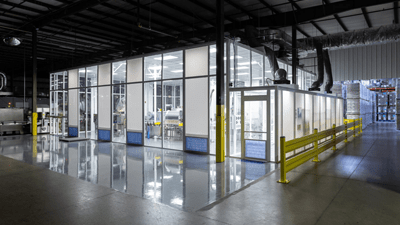
Across pharmaceuticals, electronics, biotechnology, and beyond, cleanrooms play a pivotal role in safeguarding processes and products from contaminants. Angstrom Technology stands at the forefront of this industry, focusing on tailored designs, cutting-edge innovation, and custom cleanroom solutions?

Are you interested in custom cleanroom solutions? We’ve got you covered. Read on to discover how our cleanrooms can be customized for your needs, including material choices, layout configurations, and more. 

Understanding Customization in Cleanroom Solutions

Customization in cleanroom design is all about tailoring the space to fit the exact needs of an industry or product. Think of it as getting a custom-made suit—it just fits better! 

Tailored solutions are critical because different industries have different standards and needs. Whether it’s pharmaceuticals needing ultra-clean environments or electronics requiring precise temperature control, customization ensures the cleanroom meets those specific demands.

4 Custom Cleanroom Solutions Options:

From materials shaping efficiency to layouts driving productivity, Angstrom Technology offers customized solutions for all your cleanroom needs. 

1. Material Choices

When crafting custom cleanroom solutions, the materials used are like the building blocks, defining the room’s efficiency and functionality. Let’s look at the diverse array of materials used in cleanroom construction and their profound impact. 

Cleanrooms are crafted from an assortment of materials, each with its unique characteristics, including the following:

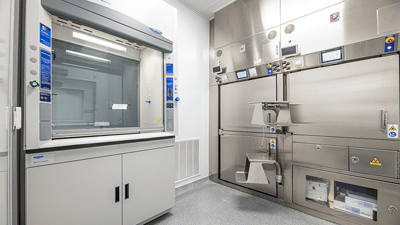
  • Stainless steel is renowned for its durability and resistance to corrosion, making it ideal for stringent cleanliness standards.
  • Laminates are versatile and customizable, providing a balance between aesthetics and functionality.
  • Polymers offer flexibility and ease of maintenance, often favored for their resistance to chemicals and abrasion.

Cleanrooms are utilized in a wide array of applications and industries, each needing particular materials. For example, pharmaceuticals often opt for materials that ensure superior cleanliness to meet stringent regulatory requirements. Electronics require materials that facilitate controlled environments to safeguard sensitive equipment and processes.

Angstrom Technology boasts a comprehensive range of materials, each offering customizability, optimized functionality, and industry-grade quality. Our expertise lies not just in design, but in strategically selecting and utilizing these materials to create tailored cleanroom solutions that exceed industry expectations.

2. Layout Configurations

The layout of a cleanroom isn’t just about where things go—it’s the blueprint for efficiency. Let’s explore why the format is so crucial and how our team masterfully tailors configurations to elevate operational productivity:

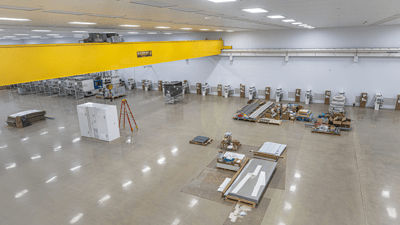
The layout of a cleanroom can make or break efficiency. A thoughtfully designed layout can reduce unnecessary movements, streamline workflow, and enhance productivity. Strategic positioning of machinery and workstations can significantly improve production operations. 

As we discuss cleanroom layouts, it’s important to note that cleanrooms aren’t one-size-fits-all—different arrangements suit different purposes. At Angstrom Technology, we can provide many different floor plan options to suit your needs. 

  • Open floor plans foster flexibility and easy movement within the cleanroom, ideal for dynamic work environments.
  • Modular designs offer scalability and adaptability, allowing for easy expansion or modification.

At Angstrom Technology, the layout isn’t just a plan—it’s a strategic tool for maximizing efficiency and adaptability within custom cleanroom solutions, ensuring all our clients get precisely what they need to excel in their respective industries.

3. Specialized Features

Specialized features are the key to top-of-the-line cleanrooms, elevating their functionality to unmatched levels. Let’s uncover how these innovations take cleanliness and operational excellence to the next level. 

  • HVAC systems maintain precise environmental conditions critical for certain processes, including temperature and humidity control. 
  • Airflow management ensures controlled airflow to prevent contamination and maintain cleanliness levels.
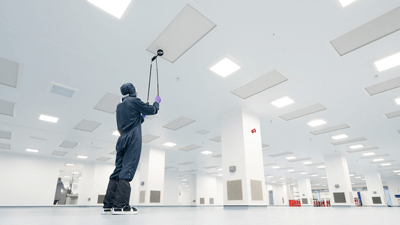
  • HEPA and ULPA filters remove particles as small as 0.3 microns, ensuring ultra-clean air within the cleanroom.
  • Efficient contamination control minimizes airborne particles, crucial for sensitive industries like electronics and aerospace.
  • Real-time monitoring and continuous surveillance ensure adherence to cleanliness standards and prompt response to deviations.
  • Data analytics are used for predictive maintenance, optimizing processes, and ensuring regulatory compliance.

At Angstrom Technology, these specialized features aren’t just add-ons—they’re the backbone of our custom cleanroom solutions. By integrating cutting-edge HVAC systems, advanced filtration technology, state-of-the-art monitoring tools, and more, we ensure every cleanroom we design exceeds expectations and sets new benchmarks for operational excellence.

4. Compliance and Regulatory Standards

Compliance isn’t an option in cleanroom design – it’s mandatory and of the utmost importance. At Angstrom Technology, our custom cleanrooms not only meet but surpass industry regulations and standards, including the following: 

  • ISO Certifications, The International Standards Organization’s classification system, became the official system in 2001. ISO 14644-1 categorizes cleanrooms into Classes 1-9.
  • Federal 209E Standards were replaced by ISO Classes in 2001. The Federal Standards used to categorize cleanrooms into Classes 1-100,000.
  • Some cleanroom applications must comply with additional standards, such as cGMP, that are uniquely tailored to the threats facing their products and processes.

When we build custom solutions, we collaborate closely with our clients to understand their regulatory requirements and ensure seamless compliance. We’re constantly updating designs and practices to stay ahead of regulatory changes and advancements so we can always instill confidence in our clients. 

At Angstrom Technology, cleanroom designs aren’t just about meeting regulations; they’re about setting the bar higher, providing clients with cleanroom solutions that are not only compliant but also innovative, reliable, and future-ready.

Elevate Your Industry Standards with Angstrom Technology

At Angstrom Technology, we don’t just design cleanrooms; we engineer solutions tailored to exceed your expectations. Our commitment to customization goes beyond just fitting the environment—it’s about enhancing productivity, ensuring reliability, and meeting the unique demands of your industry.

Are you ready to elevate your standards? Reach out to Angstrom Technology today and experience the difference tailored cleanroom solutions can make for your industry needs. 

Discover the Importance of Cleanrooms in Life Sciences

Discover the Importance of Cleanrooms in Life Sciences

Stay in the loop with Angstrom Life Sciences!

Angstrom Life Sciences Division offers complete optionality, providing our clients with the widest array of systems and products to tailor their spaces precisely to their needs. We made a deliberate choice not to produce our own panels to maintain objectivity, allowing us to present a truly cooperative and seamlessly integrated project approach.

As a national and global company, we possess the capability to provide design-assist, installation, and commissioning and validation services. We work closely with clients, architects, engineers, construction managers, general contractors, and more, ensuring that projects are executed safely with top-notch quality and fully compliant with requirements.

Angstrom Technology boasts in-house technical experts in compliance, ISO levels, cGMP and GMP, cell and gene, CDMO, dry rooms, and environmentally-controlled rooms. This ensures you have access to the full spectrum of choices available in the market.

paper-stacked

SEAMLESS CLEANROOMS

Seamless cleanrooms achieve a flush finish cleanroom system. With a range of features, such as raceway trunking to supply services, flush glazing, doors, and wall and ceiling panels, we offer custom solutions for various high-performance cGMP and ISO cleanroom applications. 

paper-stacked

HARDWALL CLEANROOMS

For research activity that is not covered by cGMP, hardwall cleanrooms give a high level of control over static, pressure, contamination, and humidity. Designed to comply with strict ISO standards.

LIFE SCIENCES CLEANROOM DESIGN

Angstrom Technology also offers pharmaceutical cleanroom designs with multi-stage air filtration systems that make use of prefilters and HEPA filters, a variety of lighting options from standard to flow through modules, and laminar air flow systems that can be integrated with existing HVAC.
light-bulb

LIGHTING

stacks-paper

HVAC

filter-arrows

AIR FILTRATION

Featured Project

Pharma Cleanroom: From Start to Finish

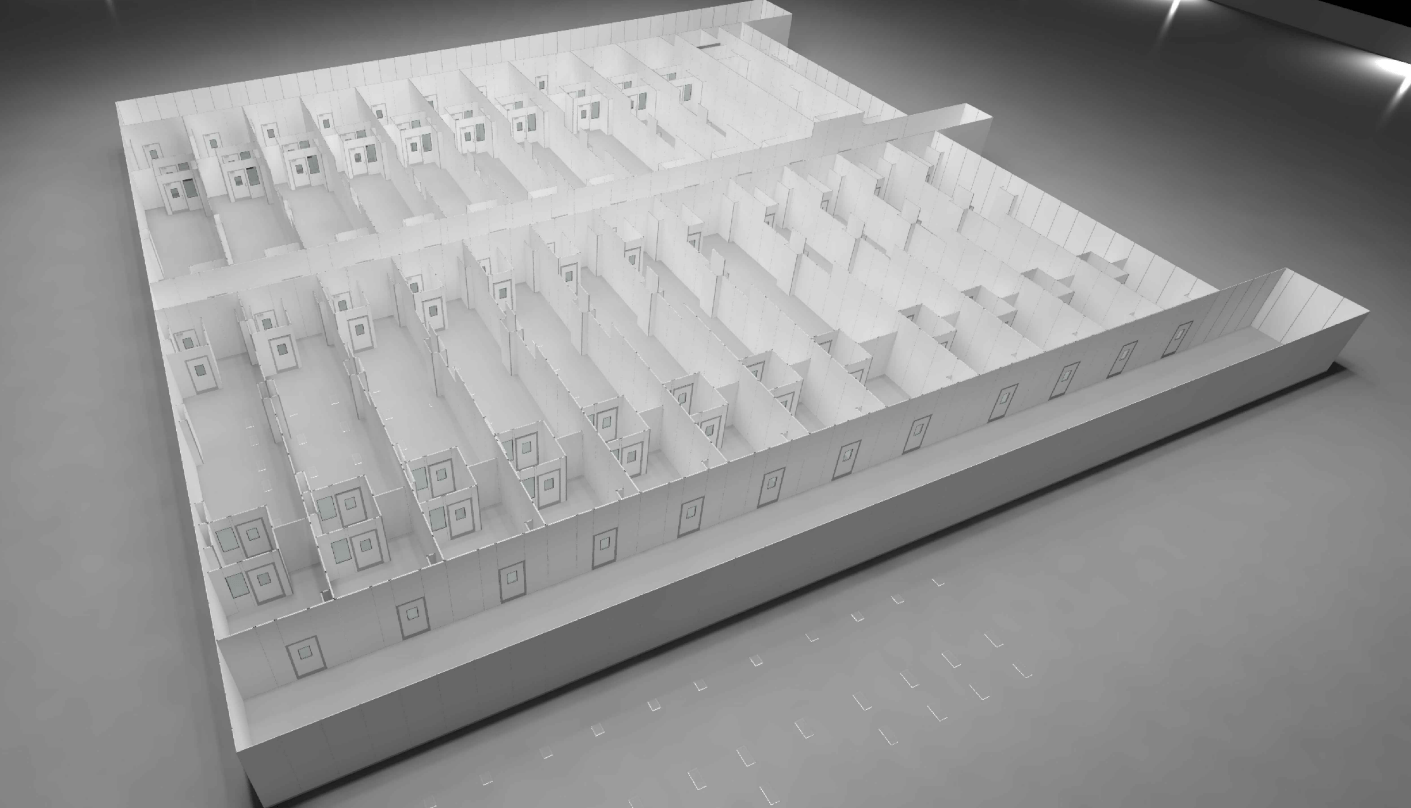
This Angstrom Technology customer works in the pharmaceutical industry and is based in West Michigan. Learn more about this spacious, 32,000 square foot cleanroom project completed in four months’ time!
Azzur Morrisville cleanroom render

WANT MORE INFORMATION ON LIFE SCIENCES CLEANROOMS?

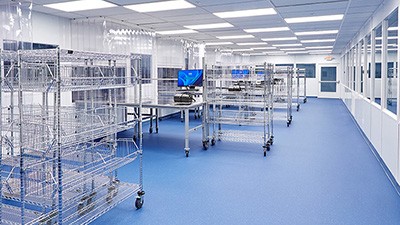
Our Life Sciences Cleanroom in Action

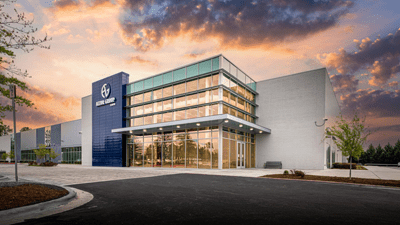
Azzur Cleanrooms on Demand™ facility in Morrisville, NC

CLINICAL MANUFACTURING

CLEANROOM

OEM Packaging Cleanroom

OEM PACKAGING

CLEANROOM

cleanroom-yellow-rail-dark

PHARMACEUTICAL

PACKAGING COMPANY

Biopharma cleanroom validation

BIOPHARMA

CLEANROOM

medical-packaging-cleanroom-project-7

PHARMACEUTICAL

CLEANROOM

radiopharmaceuticals-cleanroom-1

ADVANCED

RADIOPHARMACEUTICALS

biopharmaceutical-research-cleanroom-2

BIOPHARMACEUTICAL

RESEARCH & DEVELOPMENT

CLEANROOM

Cleanroom Terminology: What Is an Airlock?

Cleanroom Terminology: What Is an Airlock?

When entering the world of cleanroom design, many people are overwhelmed by the new vocabulary, which can be quite complicated. Suddenly, you have to understand classifications and all sorts of design features and figure out which are right for your application. 

We’re here to break down one of the most common terms you’ll hear in cleanroom design – airlocks. So, what is an airlock, and how does an airlock work? Let’s get jump in.

What Is an Airlock?

An airlock is a system of two doors that are electronically interlocked so that both cannot be opened at the same time. This prevents contamination and prevents particles from outside the cleanroom from entering the cleanroom when personnel enter or exit the cleanroom. 

In addition to its role in contamination control, airlocks can serve as security features, controlling and monitoring access to the cleanroom. An airlock system will also help maintain the controlled temperature of a cleanroom space. They are vital components in various industries, adapting to specific cleanroom requirements while offering emergency features to ensure personnel safety.

How Does an Airlock Work?

An airlock creates a controlled, enclosed space with two interlocked doors. They make a controlled transitional space between an external environment and a cleanroom, with the primary goal of preventing contamination, maintaining cleanliness, and preserving the specified environmental conditions within the cleanroom.

Here’s how airlocks typically operate:

  • Two-Door System: An airlock consists of two doors, one leading to the outside environment and the other to the cleanroom. These doors are electronically interlocked, ensuring that both doors cannot be opened simultaneously.
  • Pressure Differential: The cleanroom typically operates at a higher pressure than the surrounding area. When personnel need to enter or exit the cleanroom, they first enter the airlock. The outer door is closed behind them, sealing off the outside environment.
  • Controlled Environment: Once inside the airlock, the system may initiate a series of processes to maintain the controlled environment. This can include adjusting temperature, humidity, and pressure levels to match the cleanroom’s specifications.
  • Personnel Procedures: Personnel inside the airlock may need to follow specific procedures, such as donning cleanroom attire, which includes specialized garments, headgear, and shoe covers. 
  • Interlocking Doors: After the necessary preparations and checks are completed inside the airlock, the inner door can be opened. This allows personnel to enter the cleanroom while ensuring that the outer door remains closed, maintaining the pressure and cleanliness of the cleanroom.
  • Security Features: Some airlocks include security features like access control systems to authenticate and authorize individuals. 

What Kinds of Airlocks Are There?

There are two types of airlocks: secure and non-secure airlocks. In a secure airlock system, all doors remain locked until a request to enter is granted. This generally occurs through a “request to enter device,” like a button or keypad. A non-secure airlock means that the doors remain unlocked until the first door is opened; then, the other doors lock.

You also have the option of making your airlocks supervised or unsupervised. For high-security areas, you may have a supervised airlock, where personnel must press a “request to access” button. The request must be approved via a CCTV or viewing panel verification system. 

An unsupervised cleanroom could control access through a biometric reader or keypad to gain access. Such systems are useful where only authorized personnel may enter the cleanroom environment.  

Enhancing Cleanroom and Airlock Security

Depending on the classification and application of your cleanroom, you might want additional security features in place on your airlock. These considerations aim to enhance security and monitoring within the airlock system to minimize the risk of contamination and maintain the pristine conditions of the cleanroom.

  • Breach Alarms: Depending on the sensitivity and cleanliness requirements of the cleanroom, it may be essential to implement breach alarms within the airlock system. These alarms serve as a critical safeguard, alerting personnel when the airlock has been breached. Breach alarms are triggered when unauthorized access or contamination may have occurred. 
  • Door Open Duration Alarms: Cleanrooms often require swift and controlled access, and extended open-door times can compromise the cleanliness and environmental conditions. Door open duration alarms provide a mechanism to ensure that doors are not left open for too long, thereby preventing prolonged exposure of the cleanroom to the outside environment.
  • Door Status Indicators: Door status indicators are visual or electronic displays that provide real-time information about the current state of the airlock doors. These indicators offer a quick and easy way for personnel to confirm whether the outer door is securely closed before opening the inner door. 

Cleanrooms to Fit All Your Needs From Angstrom Technology

If your cleanroom requires an airlock, Angstrom Technology is well-equipped to design a custom cleanroom that perfectly aligns with your specific needs. Our team of seasoned design engineers possesses the knowledge and expertise required to create a cleanroom solution tailored to your industry’s unique cleanliness standards and environmental demands.

Contact Angstrom Technology today, and let’s embark on the journey towards a tailored cleanroom solution that precisely fits your requirements, enhancing your controlled environment for optimal operations.

Angstrom Technology Design Guide