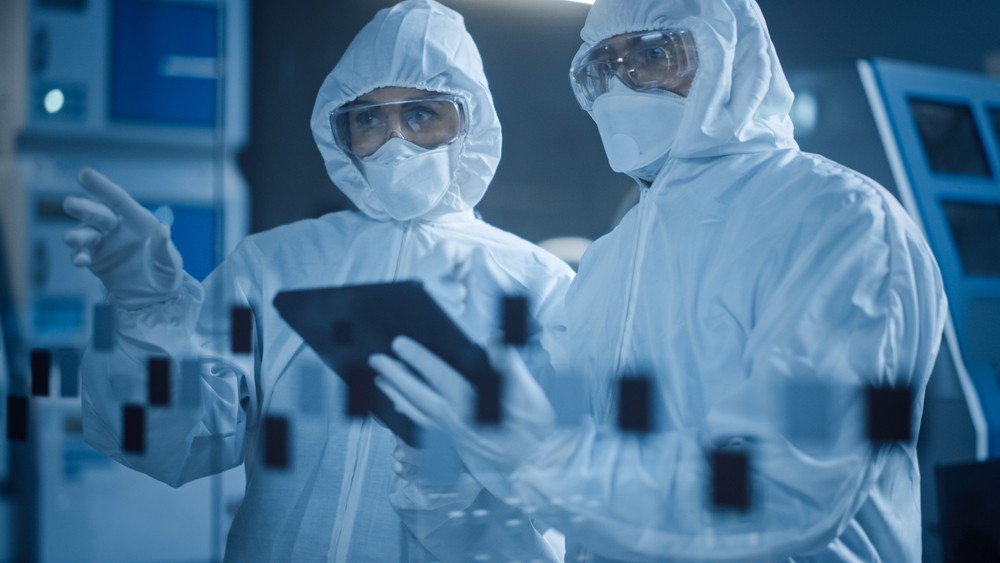
5 Signs You Need a Cleanroom Service or Repair

5 Signs You Need a Cleanroom Service or Repair

Cleanrooms are designed to prevent contamination and protect sensitive products. But even with the best practices and equipment in place, cleanrooms are not immune to wear and tear. 

Routine maintenance addresses minor issues before they escalate, but problems can still arise unexpectedly. These issues can compromise the cleanroom’s integrity and hinder productivity without intervention.

5 Signs You Need Cleanroom Cleaning, Services, or Repair

Here are five key signs that indicate it may be time to schedule a cleanroom service or repair to keep your operations running smoothly.

1. Unusual Odors or Chemical Smells

Unpleasant odors or chemical smells in a cleanroom can indicate that the filtration system is not neutralizing or removing harmful substances. When these systems fail, it can result in the buildup of airborne contaminants or chemical byproducts that affect air quality. If left unaddressed, this can contaminate sensitive products and compromise safety and compliance.

It is crucial to address unusual odors promptly to prevent contamination from spreading and to avoid further damage to the cleanroom’s systems. 

2. Visible Contamination or Dust Accumulation

Dust, particles, and other foreign substances can be detrimental to cleanroom operations. If you notice contamination or dust accumulation, it can be a clear sign that the air filtration system is malfunctioning. Contamination can lead to defective products, delays, or even product recalls, especially in industries like pharmaceuticals and biotechnology

Monitor and clean cleanroom surfaces regularly to prevent the buildup of contaminants. If visible contamination becomes an issue, it may indicate a problem with the filtration system, and immediate attention is required.

3. Damaged or Malfunctioning Equipment

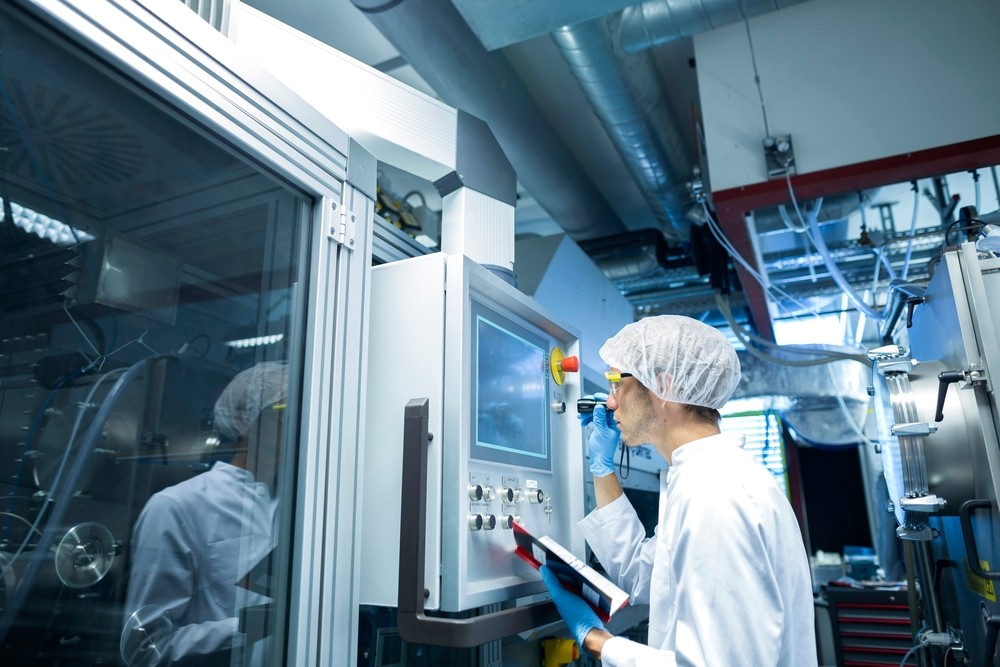
HVAC units, particle counters, and filtration systems regulate airflow, monitor particulate levels, and ensure air quality, which is crucial for meeting cleanliness standards and preventing contamination. 

For example, a malfunctioning HVAC unit can lead to improper temperature or humidity, or a faulty particle counter might fail to detect airborne contaminants. Even minor issues with these systems can impact the cleanroom’s performance and lead to a non-compliant environment.

It’s essential to inspect and maintain cleanroom equipment regularly to prevent malfunctions. If you notice any irregularities, address the issue immediately to avoid compromising the environment.

4. Inconsistent Airflow or Temperature Control

Inconsistent airflow or temperature control can lead to contaminant buildup or unregulated humidity. These variations can negatively impact sensitive processes such as pharmaceutical manufacturing, semiconductor production, or medical device assembly, where even slight fluctuations can lead to defects or product failure. 

If you notice that your cleanroom’s temperature or airflow is inconsistent, you must address the issue promptly to avoid any detrimental effects on production and to ensure compliance.

5. Increased Downtime or Decreased Productivity

When cleanroom equipment malfunctions or the controlled environment is compromised in any way, production delays, reduced output, and potentially a halt in operations can occur. If a cleanroom consistently experiences breakdowns, inefficiencies, or compliance issues, it may indicate an underlying system problem that requires professional assessment.

Addressing these issues early on with professional evaluation and service can help avoid long-term downtime and improve overall productivity. 

Stay Up to Standards With Angstrom’s Cleanroom Repair Services

Angstrom offers comprehensive cleanroom services to keep your cleanroom in optimal condition. By being proactive, you can avoid unplanned downtime, maintain compliance, and extend the lifespan of your cleanroom systems.

At Angstrom, we’re proud to offer an array of cleanroom services, including: 

Comprehensive Repair Solutions

Whether it’s equipment repairs, environmental control adjustments, or system checks, our team ensures your cleanroom’s components are functioning as they should. We’ll restore the controlled environment to its original state, ensuring everything meets the necessary standards.

Preventative Maintenance

Avoid breakdowns and costly repairs with Angstrom’s ongoing maintenance services. Regular inspections and preventative measures identify potential issues before they become major problems, minimizing downtime and extending the life of your equipment. 

Emergency Support

We’re ready to provide fast, reliable support for urgent repairs. Our team is equipped to handle emergencies so you can return to normal operations as soon as possible.

Get Your Cleanroom Back on Track with Angstrom’s Expert Services

If you’ve noticed any signs mentioned in this blog or want to ensure your cleanroom is running at its best, don’t hesitate to contact Angstrom. Our team of experts is ready to assist with everything from routine maintenance to emergency repairs so you stay compliant and productive. 

Contact us today to schedule a service or repair and keep your cleanroom performing at its highest level.

What are the Benefits of Modular Cleanroom Systems?

What are the Benefits of Modular Cleanroom Systems?

If your company already has a cleanroom or is in the process of getting one, you likely understand the crucial role it plays in your operations. However, have you considered the type of cleanroom that best suits your needs?

There are two main types of cleanrooms: a traditionally constructed space and a modular cleanroom. 

Modular cleanrooms have numerous benefits compared to traditional construction – let’s dive in further. 

The 5 Main Benefits of Modular Cleanroom Systems

If your company is seeking a cleanroom with top-tier flexibility, efficiency, and effectiveness, modular cleanrooms are probably the best option. We’re here to tell you all about them. 

1. Modular Cleanrooms Are Free-Standing

Free-standing, modular cleanrooms can be built without extensive construction or renovation (not to mention the costs and disruption those processes entail). Whether the best location is in the middle of a large open production floor or tucked back in a corner, these controlled environments can go anywhere. You don’t need to build walls or change existing ones, and electricity and plumbing are already engineered into the cleanroom as part of the modular design.

2. Modular Cleanrooms Can Be Built Within a Shorter Timeframe 

Building cleanrooms from a pre-designed kit with all the building materials included and the design already complete is faster and much more efficient than starting from scratch. With modular cleanrooms, the design is finalized, the materials are pre-selected, and the construction process is simplified. This streamlined approach allows for quicker installation, reducing downtime and helping you get up and running faster.

3. Modular Cleanrooms Are Easier To Modify or Expand 

Should your company’s cleanroom needs ever change, modifying a modular cleanroom is much easier than renovating or remodeling a traditionally constructed space. Modular cleanroom walls can be easily moved to accommodate a new cleanroom layout and expanded by adding additional wall pieces. You don’t need to start fresh with all new materials every time your cleanroom needs change – saving you money and avoiding downtime. 

4. Modular Cleanrooms Can Be Built From a Range of Materials 

Another key advantage of modular cleanrooms is the flexibility to choose from a wide range of materials that best meet your operational requirements. Whether you need high-grade stainless steel, aluminum, or another type of specialized panel, you can select materials that offer the durability, chemical resistance, or contamination control required for your specific environment. This customization ensures your cleanroom will withstand your industry’s demands, whether you’re in pharmaceuticals, biotech, or manufacturing. 

5. Modular Cleanrooms Require Minimal Maintenance

Modular cleanrooms are designed for convenience and efficiency, requiring far less maintenance than traditionally constructed spaces. Their modular design allows individual panels to be easily disassembled and reassembled, making repairs or replacements simple without needing extensive reconstruction. Traditional cleanrooms may require more invasive and costly maintenance – modular cleanrooms offer a straightforward solution that minimizes downtime and keeps operations running smoothly.

Ready to Transform Your Cleanroom Space?

Here at Angstrom, we’re proud to be a leader in the modular cleanroom industry. We offer top-of-the-line, tailored solutions for projects of any size and classification. Whether you need a compact cleanroom or a large-scale controlled environment, we can design and build a modular system that meets your precise specifications.

Contact Angstrom today for expert guidance on your modular cleanroom needs and take the next step toward creating a flexible, efficient, and reliable cleanroom for your business.

5 Essential Cleanroom Supplies You Should Always Have on Hand

5 Essential Cleanroom Supplies You Should Always Have on Hand

Are cleanrooms a critical part of your business? If so, you know that they can be finicky at times. You have to maintain exact standards, and when your cleanroom is down, so is your company. 

So, what can you do to ensure that your cleanroom always functions according to its required standards?

Though it might sound obvious, keeping it well stocked with necessary cleanroom supplies is the best way to keep your cleanroom performing to standard. 

5 Important Cleanroom Supplies You Should Always Have 

Below is a list of five essential cleanroom supplies you should always have on hand and what makes them so important. 

1. Replacement Filters

Filters are what keep the air in a cleanroom clean. Without filters, your cleanroom has little hope of performing to standard. So, it’s good to always have backup filters on hand, both HEPA, ULPA, and pre-filters. But how many should you have?

  • Pre-filters: Depending on the standards your cleanroom has to meet, you probably change your pre-filters once every few months. Every time you change them, you should ensure you have enough replacements to last at least one more change. Otherwise, you risk putting your operation behind.
  • HEPA/ULPA: For HEPA or ULPA filters, it’s a good idea to keep one or two replacements on hand in case a situation arises where a filter needs to be changed unexpectedly. Having replacements ready ensures you’re prepared for any emergency. 

2. Gowning Materials

If you regularly order cleanroom supplies, you know that you go through boxes of gowning materials in no time. Hoods, bunny suits, booties, and cleanroom gloves are crucial to your everyday operations. It’s important that your company develop some sort of system so that you never run out of these essential cleanroom supplies.

For example, have employees alert the person in charge of ordering cleanroom supplies whenever you have less than two weeks’ worth of a certain gowning material. Whether it’s gloves or cleanroom suits, a good rule of thumb is that when you open the last box of cleanroom supplies, you order another shipment.

3. Cleanroom Cleaners

While this might sound like common sense, it’s surprising how quickly you can run out of cleanroom cleaning supplies. Maybe you’ve experienced that feeling of dread when an employee reports and says that there aren’t any more bottles of cleaner. There’s nothing worse than frantically trying to find the right cleaner and then making sure it gets shipped overnight so your cleanroom can continue functioning at standard for the next business day.

Similar to gowning materials, it’s a good idea to have a system in place to prevent this sort of situation. Make sure you always have at least one full bottle of disinfectant or cleaner.

4. Cleanroom Wipes

Cleanroom wipes are specifically designed to clean surfaces within the cleanroom without introducing additional contaminants. They’re often made from lint-free materials and are pre-saturated with a cleaning solution safe for use in controlled environments. They’re used to wipe down surfaces, equipment, and even personnel as needed to maintain cleanliness. Their ability to clean without leaving residue makes them indispensable for maintaining the strict hygiene standards required in cleanrooms.

It’s best to monitor your usage and set up automatic reorders based on your average consumption rate. We also suggest storing an emergency supply of wipes to prevent unexpected running out.

5. Sticky Mats

Sticky mats are your first line of defense against contamination. They’re placed at the entrance to trap dirt, dust, and other contaminants from shoes or equipment wheels before they enter the controlled environment. Regularly replacing sticky mats is crucial, as they significantly reduce the risk of particles entering your cleanroom, which can otherwise lead to costly downtime and compromised products.

We recommend keeping an inventory log of your sticky mats and setting a schedule for regular replacements. Consider ordering in bulk to ensure you always have an ample supply.

Trust Angstrom for Expert Cleanroom Design and Supplies

If you need cleanroom supplies or are considering the design of a new facility, trust the experts at Angstrom. We specialize in designing cleanrooms that meet your exact specifications and standards and offer a full range of replacement cleanroom supplies to keep your operations running smoothly.

Contact Angstrom today or call us at 888-768-6900 for all your cleanroom needs!

Cleaning Cleanrooms: How Often Should You Have Your cGMP Cleanroom Cleaned?

Cleaning Cleanrooms: How Often Should You Have Your cGMP Cleanroom Cleaned?

After investing in a top-of-the-line cleanroom, keeping it in pristine condition is crucial, especially when adhering to cGMP compliance. 

When properly cared for, a cGMP cleanroom will function at peak performance, ensuring that all processes meet strict regulatory standards. However, failure to adhere to cGMP cleaning standards can lead to contamination, jeopardizing product quality and resulting in costly regulatory issues that can disrupt daily operations.

Here’s a rundown of the best cleaning cleanroom procedures and practices for your cGMP-compliant cleanroom. 

What Are cGMP Requirements for Cleanroom Cleaning?

cGMP, or Current Good Manufacturing Practices, are regulations enforced by the FDA to ensure that products are consistently produced and controlled according to quality standards. These regulations are particularly crucial in pharmaceuticals, biotechnology, and medical device manufacturing, where product safety and efficacy are paramount. 

Classifications of cGMP Cleanrooms

cGMP cleanrooms are classified based on their ISO standards, which define the cleanliness level required for different types of manufacturing environments. The most common classifications include:

  • ISO 5 (Class 100): These cleanrooms have the strictest cleanliness requirements, allowing only 3,520 particles (0.5 microns or larger) per cubic foot of air. They are often used in critical processes such as aseptic filling and sterile drug manufacturing.
  • ISO 6 (Class 1,000): Allows for 35,200 particles per cubic foot and is typically used in processes like vial filling or assembly of sterile devices.
  • ISO 7 (Class 10,000): Permits 352,000 particles per cubic foot and is commonly found in less critical manufacturing processes, such as packaging or certain laboratory environments.

The classification of your cleanroom dictates the stringency of the cleaning protocols. For example, an ISO 5 cleanroom requires more frequent and thorough cleaning than an ISO 7 cleanroom due to the higher sensitivity to particulate contamination.

6 Effective Cleanroom Cleaning Strategies For cGMP Requirements

1. Follow Industry-Specific Standards

Cleanrooms vary widely in use, and cGMP cleanrooms have unique requirements and standards they must adhere to depending on the industry. For example, cGMP cleanrooms in pharmaceuticals must adhere to extremely stringent standards to prevent contamination that could compromise the safety and efficacy of drugs. 

Depending on your industry, your cGMP cleanroom will have a specific layout, ISO rating, and cleanliness standard. Therefore, its cleaning schedule and procedure will also differ.

Cleanrooms with higher ISO ratings, like ISO 5, for example, must be kept at much higher sanitation levels to reduce the chance of interference from minute particles and contaminants. 

Cleanrooms with lower class ratings, such as ISO 7, may be less threatened by certain contaminants or smaller particle sizes, but they still require regular cleaning to maintain standards and efficiency.

2. Follow Contamination Prevention Protocols

In a perfect world, zero contaminants would enter your cleanroom environment. While this is virtually impossible, the best way to keep your cGMP cleanroom clean is to follow strict contamination prevention protocols designed to meet cGMP requirements. These protocols include:

  • Proper Gowning Procedures: All personnel must adhere to cGMP-specific gowning protocols. This includes wearing sterile, non-powdered gloves, sterile gowns, masks, and other protective gear. 
  • Sterilization and Equipment Usage: All tools and equipment used in a cGMP cleanroom must be sterilized according to cGMP standards, including ensuring that all cleaning tools, garments, and materials are appropriately sanitized before use to prevent contamination.
  • Strict Entry Procedures: Entry protocols may involve multiple stages of decontamination, such as air showers, sticky mats, and separate gowning areas, ensuring that personnel and materials are free of contaminants before entering.
  • Importance of Training Staff in cGMP Practices: To minimize risks, staff members should be trained in cGMP contamination prevention practices. 

3. Establish Regular Cleanroom Cleaning Procedures

Keeping your workspace clean requires diligent adherence to daily and weekly cleaning schedules. Depending on the strictness of your class standard, you may need to add more rigorous objectives or increase the frequency of these tasks. 

Whatever your facility requires, it’s essential to create and follow a cleaning schedule that clearly defines all assignments, making them easy to understand and follow. Here are the general cleaning protocols recommended for broad cleanroom needs:

Daily Cleanroom Cleaning:

  • Before a shift begins, use a damp mop on floors and vacuum to dry.
  • Vacuum all walls using a HEPA filter vacuum.
  • Wash and wipe all windows and pass-throughs dry.
  • Wipe down all work areas at the end of every shift. This should occur more frequently in cleanrooms with higher standards.
  • Put away products and supplies between shifts to prevent further contamination.

Weekly Cleanroom Cleaning:

  • Mop floors with a cleanroom-specific detergent, distilled water, and a HEPA filter vacuum.
  • Wipe walls with a damp sponge and distilled water, then vacuum dry.

As Needed:

  • Remove any residue or deposits on ceilings by washing with detergent and distilled water.
  • Using a damp sponge, wipe off all light lenses.
  • Change sticky mats as soon as you notice wear.

Note: This FDA webpage provides a detailed look at cGMP standards and regulations. 

4. Use cGMP-Approved Products Approved for Cleaning Cleanrooms

Cleaning products that are improperly sterilized or unsuitable for cleanroom use can cause contamination, particularly in cGMP cleanrooms where maintaining strict standards is critical. 

Using only cleaning products that are cGMP-approved, non-reactive, and specifically designed for cleanroom environments is essential. This includes using deionized and distilled water for mopping and wiping surfaces and cleanroom-specified cleaning agents that meet cGMP standards. All chemicals and solvents for cleaning must be neutral, non-ionic, and non-foaming to avoid buildup on surfaces over time, which could compromise the cleanliness of the environment.

Cleanroom Cleaning Tips: 

  • High ISO class cleanrooms (ISO levels 5-7) often require sterilizing disinfectants before use, further protecting the cleanroom from contaminants. 
  • Never use scrubs or rags that could shed or corrode surfaces. Instead, only use woven polyester specified for cleanroom use.
  • Follow a mopping protocol that efficiently cleans floors without spreading dirty water over cleaned areas. Employ a mopping system that separates dirty and clean water and won’t scratch or contaminate the floor or walls. 
  • Bringing all needed materials—such as brooms, mops, and cleaning agents—into the cleanroom before cleaning is good practice. This way, once the process is complete, you only need to exit once, reducing the possibility of contamination. 

Note: For a detailed list of cGMP-approved products for cleaning cleanrooms, visit the FDA website here

5. Properly Train Staff on cGMP Cleaning Procedures & Maintenance 

All staff members and janitorial personnel must be rigorously trained in cGMP cleaning protocols to ensure compliance and maintain the cleanroom’s class standards. This includes comprehensive education on gowning procedures, environmental sterilization practices, general equipment maintenance, and more. 

Staff should be equipped to handle spills or other incidents that could lead to contamination. Tools and cleaning supplies should be easily accessible but not stored in a way that could lead to cross-contamination. To support this, having guides and cleaning checklists posted visibly in the room can help staff consistently follow cGMP protocols and maintain a sanitary environment

6. Conduct Regular Inspections and Monitoring for cGMP Compliance

Even if you’re doing everything right and following the proper cleanroom procedures, it’s crucial to conduct regular inspections and environmental monitoring to ensure ongoing cGMP compliance. Regular checkups help verify that your cleanroom consistently meets cGMP standards, preventing potential lapses that could lead to contamination or non-compliance.

Cleanroom Inspection & Monitoring Tips:

  • Air samplers or settle plates can be used to test for organisms and measure particles per cubic foot, ensuring that the cleanroom environment remains within the required cleanliness levels. 
  • Regular checkups of your HVAC system play a vital role in maintaining cGMP compliance. The HVAC system controls temperature, humidity, and air filtration, all of which are critical factors in ensuring the cleanroom environment remains stable and free from contaminants. A properly functioning HVAC system will maintain a steady temperature and humidity level, consistently changing air to meet your ISO specifications, which is essential for preserving the cleanliness and integrity of the cleanroom.
  • Utilize cleanroom experts to inspect, monitor, and repair your cleanroom. At Angstrom, our tailored maintenance and repair services ensure your cleanroom continues to meet the highest industry standards. When the unexpected occurs, our team is ready to assist wherever needed. 

Count On Expert Cleanroom Maintenance Solutions from Angstrom Technology

If you’re cleaning your cleanroom and still not getting the desired results, it might be time for specialized maintenance. To ensure your cleanroom remains compliant with cGMP standards, it’s crucial to consult with experts like our expert team at Angstrom

Whether you need help troubleshooting specific issues or want to enhance your cleaning protocols, our expertise can ensure your cleanroom always functions to the best of its ability. Contact us today to learn more! 

CONTACT A LIFE SCIENCE CLEANROOM EXPERT

5 Reasons Why You Should Hire A Professional for Cleanroom Services and Maintenance

5 Reasons Why You Should Hire A Professional for Cleanroom Services and Maintenance

Choosing professional cleanroom services and maintenance is crucial for ensuring the optimal performance of your cleanroom. While it may seem cost-effective to handle maintenance in-house or opt for a DIY approach, the complexities of cleanroom operation make professional services the most reliable and cost-efficient choice.

There are many reasons to leave cleanroom maintenance and repairs to the pros. Let’s get into them!

5 Reasons to Hire a Professional for Cleanroom Services and Maintenance

1. Professional Cleanroom Companies Have Crucial Expertise

A cleanroom company specializing in cleanroom design and maintenance will have years of experience to ensure that all necessary maintenance is performed on schedule and that any issues are identified and addressed promptly. The company that designed and installed your cleanroom will know all the ins and outs of the facility, therefore, they’ll be able to perform all necessary maintenance activities quickly and efficiently.

2. Cleanroom Maintenance Is More Than Just Equipment Testing

Maintaining your cleanroom takes more than just equipment testing (which is already a lot). Cleanroom maintenance also includes ensuring that the space is set up correctly for the tasks and activities performed there and that all necessary supplies are always on hand. A cleanroom maintenance provider can ensure you have all the required testing supplies and provide project-specific equipment and storage to meet your application and classification requirements.

3. Cleanroom Maintenance Is Too Important to Get Wrong

If you don’t properly maintain your cleanroom, you’ll encounter many issues. This could be failing to meet your desired ISO classification because of particulate contamination, equipment issues, old filters in need of replacement, or other problems. If you fail to meet your classification requirements, you can find yourself in legal trouble or lose important clients.

4. Companies Have Compliance and Certification Expertise

Professional cleanroom service providers bring invaluable expertise when navigating the complex landscape of compliance and certification. They are familiar with the stringent standards required by various regulatory agencies, such as the FDA, EPA, and OSHA. This expertise ensures that your cleanroom not only meets current industry standards but is also prepared for routine audits and inspections. 

5. Tailored Solutions and Upgrades are Available

Professional cleanroom servicers offer customized solutions and technological upgrades that enhance your cleanroom’s functionality and efficiency. Whether adapting your cleanroom to new processes, expanding its capacity, or integrating the latest technology, a specialized provider can assess and modify it to fit evolving needs. This adaptability is crucial for staying competitive in industries that are rapidly advancing. 

Cleanroom Maintenance and Repair Services From Angstrom

At Angstrom, we specialize in ensuring your cleanroom facilities operate at peak efficiency and compliance. Our expertise in cleanroom maintenance and repair is backed by over three decades of industry leadership, making us a trusted partner in supporting various industries.

Keep Your Cleanroom Operating at Peak Performance With Our Comprehensive Service Offerings:

  • Repairs and Maintenance: Whether replacing HEPA units and air filters, repairing walls and doors, or upgrading cleanroom lighting, Angstrom’s expert team is equipped to handle all aspects of cleanroom repair and maintenance. We also provide specialized services such as challenge port installation, vinyl curtain installation, and pass-thru troubleshooting and replacement.
  • Preventative Maintenance Assessments: Our Preventive Maintenance Program is designed to address potential issues before they escalate. This program includes regular cleanroom assessments to help minimize downtime and extend the lifespan of your cleanroom facilities. Clients of this program benefit from priority services for emergency maintenance and repairs and preferential pricing on our services.
  • Cleanroom Enhancements: To keep your facilities updated with the latest standards, we offer enhancements such as HEPA control system upgrades, temperature and humidity specification adjustments, and modifications to meet specific ISO and GMP requirements
  • Tailored Solutions for Every Need: Angstrom’s services are customized to meet the unique needs of each cleanroom facility. From biopharma cleanroom validation to comprehensive contamination control, our services are designed to ensure compliance with international industry standards. 
  • Flexible Scheduling and Meticulous Planning: To accommodate our clients, we offer flexible scheduling options, including weekend and after-hours services, to minimize disruption to your operations. 
  • Comprehensive Support: We provide end-to-end support, ensuring that every aspect of your cleanroom operation is covered. From planning and repairs to documentation and reporting, our team delivers a seamless service experience.
  • Global Reach, Local Service: With operations across the globe, Angstrom offers tailored cleanroom solutions that meet the specific needs of clients in various sectors, including pharmaceuticals, electronics, and more.

Keep Your Investment in Tip-Top Shape with Angstrom’s Cleanroom Services

Your cleanroom is a significant investment. To maintain its integrity and functionality, professional maintenance and repair services are crucial. At Angstrom, we redefine excellence in cleanroom solutions, from initial design to ongoing maintenance. Our commitment to innovation, quality, and customer-centricity sets us apart in the industry.

Contact our team of experts today to learn more about our comprehensive services. Let us help you keep your cleanroom in pristine condition, maximizing your investment and supporting your continued success.

What Is a Dry Room Controlled Environment?

What Is a Dry Room Controlled Environment?

Controlled environments are critical to the success and reliability of various high-stakes manufacturing processes. Dry rooms have stringent control of humidity levels, making them essential in many modern production and research fields.

But why exactly are dry rooms so important, and why is their demand growing across industries? The answer lies in the sensitive nature of the products and processes that require such meticulous environmental control—where even a slight deviation in humidity can lead to costly defects or failures.

If you’re looking to deepen your understanding of dry rooms, their features, and their applications, you’re in the right place. 

What Is a Dry Room?

A dry room is defined by its ability to control and reduce atmospheric moisture to levels that far exceed the capabilities of standard environmental control systems. This is achieved through the use of advanced dehumidification technologies that ensure the air remains dry and stable. Typically, a dry room maintains humidity levels below 1% Relative Humidity (RH), though this can vary based on specific industry requirements.

Moisture can lead to oxidation, contamination, and other forms of degradation in environments where electronic components or other critical items are manufactured. For instance, in the production of lithium-ion batteries, excess moisture can cause unwanted chemical reactions that compromise the batteries’ integrity and safety. 

5 Key Features of Dry Rooms

Dry rooms are equipped with a range of structural and technological features to ensure that the room meets the stringent requirements necessary for controlling humidity at very low levels. Here’s a closer look at some of these key features:

1. Dehumidifiers:

The most critical component of a dry room is the dehumidification system. These systems are highly specialized and capable of reducing and maintaining humidity to levels as low as 1% RH or even lower. Industrial-grade dehumidifiers used in dry rooms operate on the principle of adsorption or refrigeration and are often customized based on specific needs.

2. Airlocks:

Most dry rooms are fitted with airlocks. These airlocks act as buffer zones between the dry room and other parts of the facility. Personnel and materials must pass through these airlocks, where air is carefully controlled to minimize humidity entering the controlled environment.

3. Specialized HVAC Systems:

Apart from standard heating, ventilation, and air conditioning functions, HVAC systems in dry rooms are equipped with additional features to handle extreme dehumidification. These include enhanced filtration systems to remove particulates and contaminants and precision control mechanisms to maintain consistent temperature and humidity levels.

4. Sealed Environment:

Dry rooms are constructed to be as airtight as possible to prevent external air from compromising the controlled environment. This includes the use of vapor barriers and specialized sealants around doors, windows, and other potential air ingress points.

5. Monitoring and Control Systems:

Sensors are strategically placed throughout the room to monitor real-time conditions like temperature and humidity. These sensors are linked to a central control system that automatically adjusts the room’s environment based on predefined parameters, ensuring constant conditions are maintained.

Essential Dry Room Requirements

For a dry room to function effectively, it must meet specific construction and operational requirements. Here are some examples of dry room requirements: 

  • Materials: The construction materials for walls, floors, and ceilings must be selected for their low moisture permeability and resistance to environmental conditions.
  • Maintenance: Regular maintenance of dehumidifiers, HVAC systems, and other critical components is essential to prevent failures that could introduce moisture into the room.
  • Personnel Protocols: Workers entering a dry room need to undergo specific procedures, such as wearing moisture-absorbing garments and passing through air showers, to minimize the amount of humidity they carry into the environment.

Industries and Applications of Dry Rooms

Dry rooms are pivotal in industries where even minor humidity can compromise product quality, safety, or efficacy. Here’s how they are utilized in various sectors:

Electronics Manufacturing:

  • Semiconductor Fabrication: Semiconductors are extremely sensitive to moisture because even trace amounts can lead to oxidation of the silicon wafers. Dry rooms ensure these components are manufactured and assembled in a moisture-free environment.
  • Assembly of Sensitive Electronics: Components such as OLED panels and precision sensors require assembly in dry rooms to prevent malfunction or degradation caused by moisture.

Battery Production:

  • Lithium-Ion Batteries: The production of lithium-ion batteries is one of the most critical applications for dry rooms. Exposure to humidity during manufacturing can cause unwanted chemical reactions, leading to reduced battery efficiency and potential safety issues. 
  • Battery Testing and Packaging: Batteries must be tested and packaged in low-humidity environments to ensure they meet safety and performance standards without degradation.

Aerospace and Defense:

  • Material Storage and Handling: Aerospace components often include materials that are highly sensitive to moisture, such as composite materials and adhesives. Dry rooms are used to store and handle these materials to prevent moisture absorption that can compromise structural integrity.
  • Equipment Manufacturing: Many aerospace devices, including satellites and sensors, must be assembled in ultra-low humidity environments to ensure they function reliably in the harsh conditions of space.

Food and Beverage:

  • Powdered Products: Foods sold in powdered form, like milk powder and coffee, often require dry rooms during the packaging process to prevent clumping and microbial growth induced by moisture.

Dry Rooms vs. Cleanrooms: What’s the Difference? 

Both dry rooms and cleanrooms are controlled environments designed to minimize specific environmental variables that otherwise compromise the quality or functionality of sensitive products. 

Despite their similar purpose, they serve distinctly different functions and are designed with varying priorities in mind:

  • Humidity vs. Particulate Control | The primary focus of a dry room is to control humidity levels. Cleanrooms primarily focus on minimizing particulate contamination in the environment. They are classified based on the number and size of particles permitted per volume of air.
  • Implications for Design | The design of a dry room involves selecting materials and constructing barriers that prevent any form of moisture ingress, including specialized dehumidification systems and sealed constructions. In cleanrooms, the design focuses on smooth, cleanable surfaces, laminar air flow, and sophisticated air filtration systems that remove contaminants from the air. 
  • Use and Applications | Dry rooms are essential in industries where even minimal moisture can cause significant product degradation, such as in lithium-ion battery manufacturing. Cleanrooms are indispensable in the production of semiconductors and any other environment where the presence of microscopic particles can result in defective products.

Partner with Angstrom for Expert Dry Room Solutions

Whether you’re venturing into the electronic or battery production sectors or any other industry where moisture control is crucial, partnering with Angstrom can assure you that your dry room environment is optimized for your specific needs. 

Our team of experts is not only skilled in the latest dry room technologies but also brings a deep understanding of regulatory standards and practical applications to each project. Reach out to discuss how we can enhance your manufacturing processes through state-of-the-art dry room solutions.

WHITEPAPER: DRY ROOM DESIGN GUIDE FOR LITHIUM BATTERY MANUFACTURING

DOWNLOAD OUR HANDY GUIDE:


dry room design guide