Cleanroom Gowning: Best Practices for Contamination Control and Compliance

Cleanroom Gowning: Best Practices for Contamination Control and Compliance

Quick Answer: What Is Cleanroom Gowning and Why Is It Important?

Cleanroom gowning is the process of wearing specialized garments and following strict procedures to minimize particle contamination from personnel. 

Because humans are the largest source of contamination in cleanrooms, proper gowning is critical for maintaining ISO classifications, protecting product quality, and ensuring regulatory compliance.

Why Cleanroom Gowning Matters More Than Ever

If you’re planning, designing, or managing a cleanroom, there’s one reality you need to account for:

People are the #1 source of contamination.

Even when standing still, a person can shed thousands of particles per minute. Movement, improper attire, or inconsistent gowning procedures can quickly compromise your cleanroom environment.

That’s why cleanroom gowning isn’t just a protocol. It’s a critical control system that directly impacts:

  • Product quality and yield
  • ISO classification performance
  • Regulatory compliance (including cGMP environments)
  • Long-term operational efficiency

How Cleanroom Gowning Impacts ISO Classification and Compliance

Cleanroom gowning plays a direct role in maintaining ISO classification by controlling one of the largest sources of contamination: people.

ISO standards (such as ISO 14644) define strict limits for airborne particle concentrations. Improper gowning can introduce particles that exceed these limits, putting your cleanroom at risk of non-compliance.

Even small inconsistencies—like incorrect gowning order, exposed skin, or improper garment handling—can:

  • Increase particle counts beyond allowable thresholds
  • Disrupt pressure cascades and airflow performance
  • Compromise environmental monitoring results
  • Lead to failed audits or regulatory findings

How Gowning Requirements Vary by Cleanroom Classification

Not all cleanrooms require the same level of gowning.

Your gowning protocol should align with your ISO classification and application:

Cleanroom Level Typical Gowning Requirements
ISO 8 Lab coats, hairnets, and gloves
ISO 7 Coveralls, gloves, and shoe covers
ISO 6–5 Full bunny suits, hoods, masks, and goggles

Key takeaway:
The cleaner the environment, the more comprehensive the gowning system must be.

Best Practices for Cleanroom Gowning Procedures

Cleanroom gowning best practices focus on minimizing human-generated contamination through consistent procedures, controlled environments, and proper employee behavior.

1. Start Cleanroom Contamination Control Before the Gowning Room

Contamination control begins before employees enter the gowning room by limiting particle-generating products and materials.

Employees should avoid:

  • Makeup, perfumes, and hairspray
  • Jewelry and loose accessories
  • Any materials that shed particles or fumes

This reduces contamination at the source.

2. Control Footwear and Entry Points

Footwear is one of the most common sources of cleanroom contamination and must be controlled before entering the gowning area.

Best practices include:

  • Dedicated cleanroom shoes
  • Shoe-changing stations before gowning
  • Sticky mats or entry controls

This prevents dirt and debris from ever reaching the cleanroom.

3. Follow a Strict Top-to-Bottom Gowning Order

Cleanroom gowning must follow a top-to-bottom sequence to prevent particles from contaminating already-gowned surfaces.

Standard order:

  1. Hood or hair cover
  2. Face mask/goggles
  3. Coverall or gown
  4. Gloves
  5. Shoe covers/booties

This ensures particles don’t fall onto already-gowned surfaces.

4. Minimize Contact and Handling

Improper handling of garments during gowning is a leading cause of contamination in cleanrooms.

Train employees to:

  • Avoid touching the outside of garments
  • Keep garments off the floor
  • Wash and dry your hands thoroughly before gloving
  • Use no-touch systems where possible

5. Minimize Movement in Gowning and Cleanroom Areas

Excessive movement increases particle generation, even when employees are properly gowned.

Cleanroom environments should prioritize:

  • Efficient movement paths
  • Reduced unnecessary motion
  • Organized layouts that limit cross-traffic

6. Reinforce No Food or Foreign Materials Policies

Food, drink, and foreign materials introduce contamination risks and must be strictly prohibited in cleanroom environments.

Ensure:

  • No food, gum, or drinks are allowed
  • Clear signage is posted at entry points
  • Policies are consistently enforced 

Cleanroom Gowning Checklist (Step-by-Step)

Before entering:

  • Remove jewelry, makeup, and personal items
  • Change into dedicated cleanroom footwear

In the gowning room:

  • Follow the top-to-bottom gowning order
  • Avoid touching garment surfaces
  • Keep garments off the floor

Before entering the cleanroom:

  • Check gowning in the mirror
  • Ensure full coverage and proper fit

How Gowning Room Design Impacts Cleanroom Contamination Control

Gowning success isn’t just about people, it’s also about the environment.

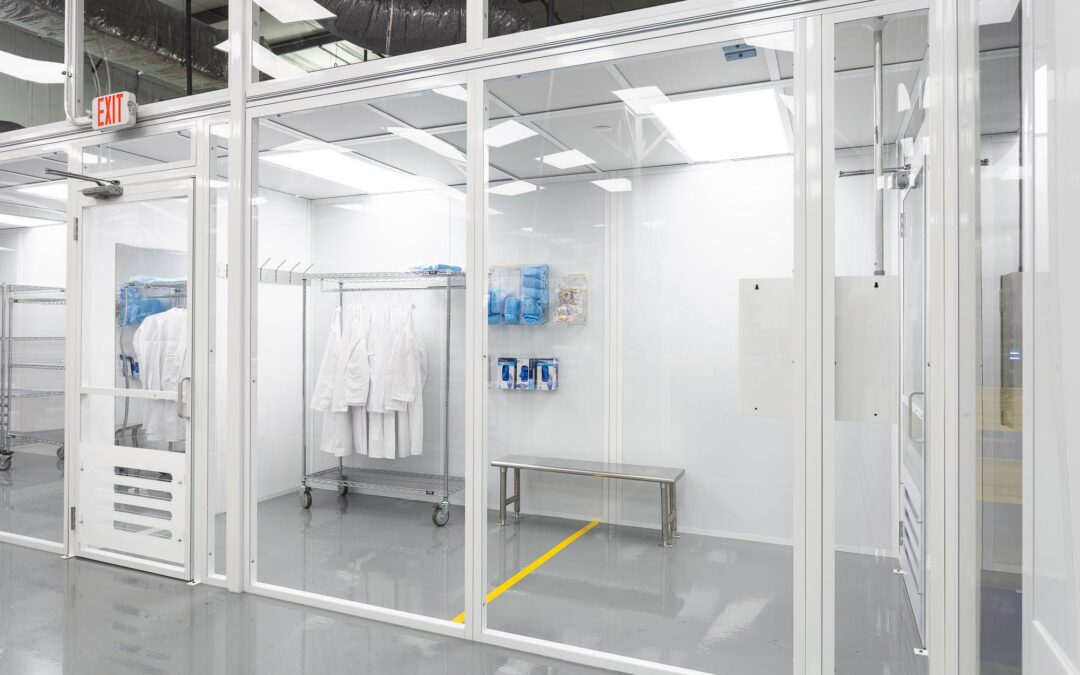
A well-designed gowning room supports:

  • Unidirectional flow (dirty → clean transition)
  • Clearly defined gowning zones
  • Proper storage for garments
  • Minimal cross-contamination risk

Helpful design elements include:

  • Benches for controlled transitions
  • Mirrors for self-checks
  • Visual step-by-step instructions
  • Airlocks and pressure control (in higher-class cleanrooms)

Design and procedure must work together to maintain consistent performance.

Proper vs. Improper Gowning: Impact on Cleanroom Performance

Even small differences in gowning behavior can significantly impact cleanroom performance and compliance outcomes.

Scenario Impact on Cleanroom
Proper gowning procedures are followed consistently Maintains ISO classification, reduces contamination risk, and supports stable production
Improper gowning (incorrect order, exposed skin, poor handling) Increases particle levels, risks compliance failures, and introduces contamination
Well-trained personnel with regular retraining Improves consistency, reduces human error, and strengthens contamination control
Inconsistent training or lack of enforcement Leads to variability, higher contamination risk, and operational inefficiencies

Training and Retraining: The Most Overlooked Risk

Even the best gowning protocol fails without consistent execution.

Initial Training Should Include:

  • Step-by-step gowning procedures
  • Why each step matters
  • Hands-on demonstrations

Ongoing Reinforcement Should Include:

  • Periodic retraining sessions
  • Visual reminders and signage
  • Supervisor oversight and audits

Consistency (not just knowledge) is what protects your cleanroom.
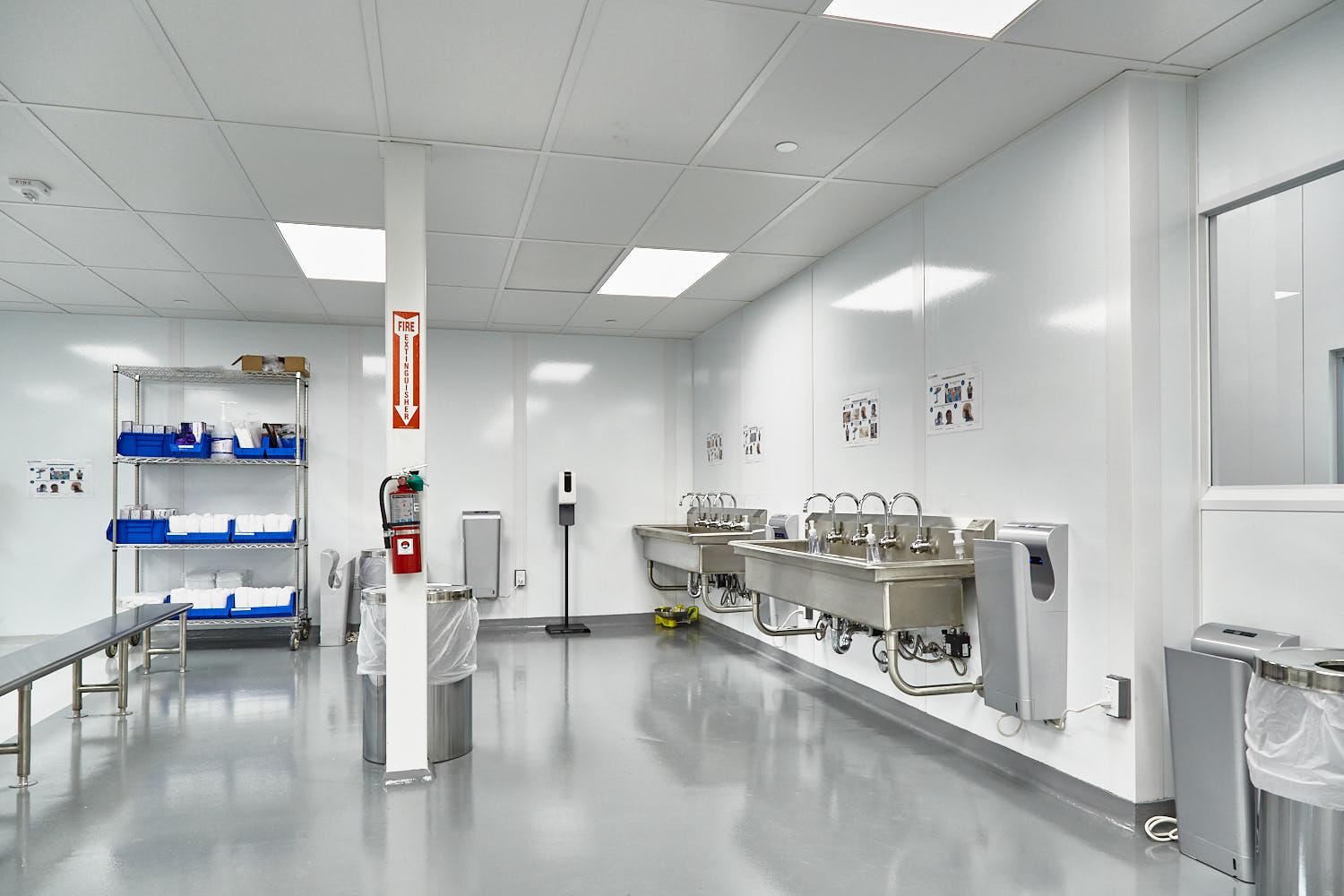
gowning area

5 Common Cleanroom Gowning Mistakes to Avoid

Even experienced teams can fall into habits that increase contamination risk.

Watch for:

  1. Incorrect gowning order
  2. Touching garments with bare hands
  3. Poorly fitted or damaged garments
  4. Skipping retraining or audits
  5. Inefficient gowning room layout

How Proper Gowning Supports Long-Term Cleanroom Performance

Cleanroom gowning plays a direct role in:

  • Maintaining ISO classification
  • Reducing product waste
  • Preventing contamination-related failures
  • Supporting regulatory inspections
  • Extending the life of your cleanroom systems

In short: better gowning = better outcomes across your entire manufacturing process.

The Cost of Poor Cleanroom Gowning Practices

Inconsistent or improper gowning doesn’t just increase contamination; it creates measurable operational and financial risk.

Poor gowning practices can lead to:

  • Product waste due to contamination
  • Batch failures or rejected materials
  • Increased rework and production delays
  • Failed inspections or compliance issues
  • Reduced cleanroom efficiency over time

Even in well-designed cleanrooms, human error in gowning can undermine system performance and increase long-term costs.

Bottom line: Small gowning mistakes can create major operational and financial consequences.

Cleanroom Gowning Is a System—Not Just a Step

The most effective cleanroom operations don’t treat gowning as a standalone procedure; they treat it as part of a complete contamination control strategy.

That means aligning:

  • Facility design
  • Gowning room layout
  • Employee training
  • Standard operating procedures

When these elements work together, gowning becomes predictable, repeatable, and reliable, which supports consistent cleanroom performance over time.

If you’re evaluating your cleanroom setup or looking to improve contamination control, Angstrom Technology can help you design a system that works from day one. Contact us today to get started. 


Cleanroom Gowning and Contamination Control FAQs:

What is cleanroom gowning?

Cleanroom gowning is the process of wearing specialized garments and following controlled procedures to reduce contamination from personnel in cleanroom environments.

Why are humans the biggest contamination source in cleanrooms?

Humans are the primary source of contamination in cleanrooms because they constantly shed skin cells and particles. Movement increases particle generation, making proper gowning essential for contamination control.

What is the correct order for cleanroom gowning?

Gowning should follow a top-to-bottom sequence: hood, mask, coverall, gloves, and shoe covers.

How often should cleanroom gowning training be repeated?

Cleanroom gowning and contamination control training should be conducted initially and reinforced regularly through retraining, audits, and visual reminders to ensure consistent compliance.

How does gowning affect ISO cleanroom classification?

Improper gowning can introduce particles that exceed allowable limits, risking non-compliance with ISO standards.

5 Essential Cleanroom Supplies You Should Always Have on Hand

5 Essential Cleanroom Supplies You Should Always Have on Hand

Are cleanrooms a critical part of your business? If so, you know that they can be finicky at times. You have to maintain exact standards, and when your cleanroom is down, so is your company. 

So, what can you do to ensure that your cleanroom always functions according to its required standards?

Though it might sound obvious, keeping it well stocked with necessary cleanroom supplies is the best way to keep your cleanroom performing to standard. 

5 Important Cleanroom Supplies You Should Always Have 

Below is a list of five essential cleanroom supplies you should always have on hand and what makes them so important. 

1. Replacement Filters

Filters are what keep the air in a cleanroom clean. Without filters, your cleanroom has little hope of performing to standard. So, it’s good to always have backup filters on hand, both HEPA, ULPA, and pre-filters. But how many should you have?

  • Pre-filters: Depending on the standards your cleanroom has to meet, you probably change your pre-filters once every few months. Every time you change them, you should ensure you have enough replacements to last at least one more change. Otherwise, you risk putting your operation behind.
  • HEPA/ULPA: For HEPA or ULPA filters, it’s a good idea to keep one or two replacements on hand in case a situation arises where a filter needs to be changed unexpectedly. Having replacements ready ensures you’re prepared for any emergency. 

2. Gowning Materials

If you regularly order cleanroom supplies, you know that you go through boxes of gowning materials in no time. Hoods, bunny suits, booties, and cleanroom gloves are crucial to your everyday operations. It’s important that your company develop some sort of system so that you never run out of these essential cleanroom supplies.

For example, have employees alert the person in charge of ordering cleanroom supplies whenever you have less than two weeks’ worth of a certain gowning material. Whether it’s gloves or cleanroom suits, a good rule of thumb is that when you open the last box of cleanroom supplies, you order another shipment.

3. Cleanroom Cleaners

While this might sound like common sense, it’s surprising how quickly you can run out of cleanroom cleaning supplies. Maybe you’ve experienced that feeling of dread when an employee reports and says that there aren’t any more bottles of cleaner. There’s nothing worse than frantically trying to find the right cleaner and then making sure it gets shipped overnight so your cleanroom can continue functioning at standard for the next business day.

Similar to gowning materials, it’s a good idea to have a system in place to prevent this sort of situation. Make sure you always have at least one full bottle of disinfectant or cleaner.

4. Cleanroom Wipes

Cleanroom wipes are specifically designed to clean surfaces within the cleanroom without introducing additional contaminants. They’re often made from lint-free materials and are pre-saturated with a cleaning solution safe for use in controlled environments. They’re used to wipe down surfaces, equipment, and even personnel as needed to maintain cleanliness. Their ability to clean without leaving residue makes them indispensable for maintaining the strict hygiene standards required in cleanrooms.

It’s best to monitor your usage and set up automatic reorders based on your average consumption rate. We also suggest storing an emergency supply of wipes to prevent unexpected running out.

5. Sticky Mats

Sticky mats are your first line of defense against contamination. They’re placed at the entrance to trap dirt, dust, and other contaminants from shoes or equipment wheels before they enter the controlled environment. Regularly replacing sticky mats is crucial, as they significantly reduce the risk of particles entering your cleanroom, which can otherwise lead to costly downtime and compromised products.

We recommend keeping an inventory log of your sticky mats and setting a schedule for regular replacements. Consider ordering in bulk to ensure you always have an ample supply.

Trust Angstrom for Expert Cleanroom Design and Supplies

If you need cleanroom supplies or are considering the design of a new facility, trust the experts at Angstrom. We specialize in designing cleanrooms that meet your exact specifications and standards and offer a full range of replacement cleanroom supplies to keep your operations running smoothly.

Contact Angstrom today or call us at 888-768-6900 for all your cleanroom needs!

Cleaning Cleanrooms: How Often Should You Have Your cGMP Cleanroom Cleaned?

Cleaning Cleanrooms: How Often Should You Have Your cGMP Cleanroom Cleaned?

After investing in a top-of-the-line cleanroom, keeping it in pristine condition is crucial, especially when adhering to cGMP compliance. 

When properly cared for, a cGMP cleanroom will function at peak performance, ensuring that all processes meet strict regulatory standards. However, failure to adhere to cGMP cleaning standards can lead to contamination, jeopardizing product quality and resulting in costly regulatory issues that can disrupt daily operations.

Here’s a rundown of the best cleaning cleanroom procedures and practices for your cGMP-compliant cleanroom. 

What Are cGMP Requirements for Cleanroom Cleaning?

cGMP, or Current Good Manufacturing Practices, are regulations enforced by the FDA to ensure that products are consistently produced and controlled according to quality standards. These regulations are particularly crucial in pharmaceuticals, biotechnology, and medical device manufacturing, where product safety and efficacy are paramount. 

Classifications of cGMP Cleanrooms

cGMP cleanrooms are classified based on their ISO standards, which define the cleanliness level required for different types of manufacturing environments. The most common classifications include:

  • ISO 5 (Class 100): These cleanrooms have the strictest cleanliness requirements, allowing only 3,520 particles (0.5 microns or larger) per cubic foot of air. They are often used in critical processes such as aseptic filling and sterile drug manufacturing.
  • ISO 6 (Class 1,000): Allows for 35,200 particles per cubic foot and is typically used in processes like vial filling or assembly of sterile devices.
  • ISO 7 (Class 10,000): Permits 352,000 particles per cubic foot and is commonly found in less critical manufacturing processes, such as packaging or certain laboratory environments.

The classification of your cleanroom dictates the stringency of the cleaning protocols. For example, an ISO 5 cleanroom requires more frequent and thorough cleaning than an ISO 7 cleanroom due to the higher sensitivity to particulate contamination.

6 Effective Cleanroom Cleaning Strategies For cGMP Requirements

1. Follow Industry-Specific Standards

Cleanrooms vary widely in use, and cGMP cleanrooms have unique requirements and standards they must adhere to depending on the industry. For example, cGMP cleanrooms in pharmaceuticals must adhere to extremely stringent standards to prevent contamination that could compromise the safety and efficacy of drugs. 

Depending on your industry, your cGMP cleanroom will have a specific layout, ISO rating, and cleanliness standard. Therefore, its cleaning schedule and procedure will also differ.

Cleanrooms with higher ISO ratings, like ISO 5, for example, must be kept at much higher sanitation levels to reduce the chance of interference from minute particles and contaminants. 

Cleanrooms with lower class ratings, such as ISO 7, may be less threatened by certain contaminants or smaller particle sizes, but they still require regular cleaning to maintain standards and efficiency.

2. Follow Contamination Prevention Protocols

In a perfect world, zero contaminants would enter your cleanroom environment. While this is virtually impossible, the best way to keep your cGMP cleanroom clean is to follow strict contamination prevention protocols designed to meet cGMP requirements. These protocols include:

  • Proper Gowning Procedures: All personnel must adhere to cGMP-specific gowning protocols. This includes wearing sterile, non-powdered gloves, sterile gowns, masks, and other protective gear. 
  • Sterilization and Equipment Usage: All tools and equipment used in a cGMP cleanroom must be sterilized according to cGMP standards, including ensuring that all cleaning tools, garments, and materials are appropriately sanitized before use to prevent contamination.
  • Strict Entry Procedures: Entry protocols may involve multiple stages of decontamination, such as air showers, sticky mats, and separate gowning areas, ensuring that personnel and materials are free of contaminants before entering.
  • Importance of Training Staff in cGMP Practices: To minimize risks, staff members should be trained in cGMP contamination prevention practices. 

3. Establish Regular Cleanroom Cleaning Procedures

Keeping your workspace clean requires diligent adherence to daily and weekly cleaning schedules. Depending on the strictness of your class standard, you may need to add more rigorous objectives or increase the frequency of these tasks. 

Whatever your facility requires, it’s essential to create and follow a cleaning schedule that clearly defines all assignments, making them easy to understand and follow. Here are the general cleaning protocols recommended for broad cleanroom needs:

Daily Cleanroom Cleaning:

  • Before a shift begins, use a damp mop on floors and vacuum to dry.
  • Vacuum all walls using a HEPA filter vacuum.
  • Wash and wipe all windows and pass-throughs dry.
  • Wipe down all work areas at the end of every shift. This should occur more frequently in cleanrooms with higher standards.
  • Put away products and supplies between shifts to prevent further contamination.

Weekly Cleanroom Cleaning:

  • Mop floors with a cleanroom-specific detergent, distilled water, and a HEPA filter vacuum.
  • Wipe walls with a damp sponge and distilled water, then vacuum dry.

As Needed:

  • Remove any residue or deposits on ceilings by washing with detergent and distilled water.
  • Using a damp sponge, wipe off all light lenses.
  • Change sticky mats as soon as you notice wear.

Note: This FDA webpage provides a detailed look at cGMP standards and regulations. 

4. Use cGMP-Approved Products Approved for Cleaning Cleanrooms

Cleaning products that are improperly sterilized or unsuitable for cleanroom use can cause contamination, particularly in cGMP cleanrooms where maintaining strict standards is critical. 

Using only cleaning products that are cGMP-approved, non-reactive, and specifically designed for cleanroom environments is essential. This includes using deionized and distilled water for mopping and wiping surfaces and cleanroom-specified cleaning agents that meet cGMP standards. All chemicals and solvents for cleaning must be neutral, non-ionic, and non-foaming to avoid buildup on surfaces over time, which could compromise the cleanliness of the environment.

Cleanroom Cleaning Tips: 

  • High ISO class cleanrooms (ISO levels 5-7) often require sterilizing disinfectants before use, further protecting the cleanroom from contaminants. 
  • Never use scrubs or rags that could shed or corrode surfaces. Instead, only use woven polyester specified for cleanroom use.
  • Follow a mopping protocol that efficiently cleans floors without spreading dirty water over cleaned areas. Employ a mopping system that separates dirty and clean water and won’t scratch or contaminate the floor or walls. 
  • Bringing all needed materials—such as brooms, mops, and cleaning agents—into the cleanroom before cleaning is good practice. This way, once the process is complete, you only need to exit once, reducing the possibility of contamination. 

Note: For a detailed list of cGMP-approved products for cleaning cleanrooms, visit the FDA website here

5. Properly Train Staff on cGMP Cleaning Procedures & Maintenance 

All staff members and janitorial personnel must be rigorously trained in cGMP cleaning protocols to ensure compliance and maintain the cleanroom’s class standards. This includes comprehensive education on gowning procedures, environmental sterilization practices, general equipment maintenance, and more. 

Staff should be equipped to handle spills or other incidents that could lead to contamination. Tools and cleaning supplies should be easily accessible but not stored in a way that could lead to cross-contamination. To support this, having guides and cleaning checklists posted visibly in the room can help staff consistently follow cGMP protocols and maintain a sanitary environment

6. Conduct Regular Inspections and Monitoring for cGMP Compliance

Even if you’re doing everything right and following the proper cleanroom procedures, it’s crucial to conduct regular inspections and environmental monitoring to ensure ongoing cGMP compliance. Regular checkups help verify that your cleanroom consistently meets cGMP standards, preventing potential lapses that could lead to contamination or non-compliance.

Cleanroom Inspection & Monitoring Tips:

  • Air samplers or settle plates can be used to test for organisms and measure particles per cubic foot, ensuring that the cleanroom environment remains within the required cleanliness levels. 
  • Regular checkups of your HVAC system play a vital role in maintaining cGMP compliance. The HVAC system controls temperature, humidity, and air filtration, all of which are critical factors in ensuring the cleanroom environment remains stable and free from contaminants. A properly functioning HVAC system will maintain a steady temperature and humidity level, consistently changing air to meet your ISO specifications, which is essential for preserving the cleanliness and integrity of the cleanroom.
  • Utilize cleanroom experts to inspect, monitor, and repair your cleanroom. At Angstrom, our tailored maintenance and repair services ensure your cleanroom continues to meet the highest industry standards. When the unexpected occurs, our team is ready to assist wherever needed. 

Count On Expert Cleanroom Maintenance Solutions from Angstrom Technology

If you’re cleaning your cleanroom and still not getting the desired results, it might be time for specialized maintenance. To ensure your cleanroom remains compliant with cGMP standards, it’s crucial to consult with experts like our expert team at Angstrom

Whether you need help troubleshooting specific issues or want to enhance your cleaning protocols, our expertise can ensure your cleanroom always functions to the best of its ability. Contact us today to learn more! 

CONTACT A LIFE SCIENCE CLEANROOM EXPERT

Medical Cleanroom Gowning Procedure

Medical Cleanroom Gowning Procedure

In many medical cleanroom applications, the slightest risk of contamination could have disastrous consequences for the development or testing of products. For this reason, garments are used to protect employees and processes. The purpose of the cleanroom gowning procedure is to limit particles that get in or on garments before entering the cleanroom. Once you have a cleanroom gowning procedure laid organized, make sure it is clearly communicated to all employees and posted in a visible location within the gowning room itself.

Having a procedure for donning protective equipment is crucial for the safety of your operations, although the gowning process itself as well as the cleanroom supplies and garments used will vary depending on your cleanroom’s application and the classification requirements for your cleanroom. Let’s walk through an example of a cleanroom gowning procedure that can be used for many medical cleanrooms.

Medical Cleanroom Gowning Procedure

A comprehensive cleanroom gowning procedure involves three stages, which are translated into distinct areas within the gowning room. Each must be kept separate in order to limit contamination. The three areas used in the cleanroom gowning procedure are:

  • The Pre-Changing zone: for the removal of items not worn under garments 
  • The Changing zone: for donning and storing garments and cleanroom supplies
  • The Entrance zone: to conduct final checks before entering the cleanroom

Before beginning the cleanroom gowning procedure, employees must have recently showered, be wearing clean clothing and hair covers, and be as personally clean as possible.

Pre-Change Zone

The pre-change zone is the preliminary step of the cleanroom gowning procedure, where the majority of particles are removed prior to entering the cleanroom. In this zone, a sticky mat is used to clean the soles of the employee’s shoes. The employee must also remove clothing that won’t be worn in the cleanroom under the garment and store items safely where they can’t shed particles or contaminate clean garments.

In the pre-change zone, there will be a place for employees to scrub hands for a minimum of thirty seconds. Afterwards, they can apply a disinfectant and sterile moisturizer before moving onto the changing zone.

Changing Zone

Employees enter the changing zone by passing over a bench or into a separate room. In this area, they will don gloves, put on a facemask, select garments, and put on any necessary headgear and garments without touching the floor or other items in the room. While changing, the employee should take care to touch as little of the garments as possible. Specific gloves can be worn for this process if necessary to ensure no particles are carried onto the garments themselves.

With the proper attire donned, the employee will tuck their sleeves into their gloves and put on boots or shoe covers carefully so that they don’t touch the “dirty” area where they previously tread. 

Entrance Zone

The entrance zone is the final area of the gowning room, and the final stage of the cleanroom gowning procedure. It will have a full-length mirror and a place where employees can wash their hands to disinfect them one more time before entering the cleanroom. 

In the mirror, the employee should do a thorough visual check that the garment is worn properly and tucked in the necessary places — around sleeves and gloves, into boots, etc. — and that any headgear is secured and clean. The gloves should also be checked, and replaced if torn or contaminated before reaching the entrance zone. Once the check is complete, the employee may enter the cleanroom.

The cleanroom gowning procedure may seem extensive or complicated, but it is vital to limit the potential level of contamination entering the cleanroom. However, implementing a solid procedure is only part of this task. The cleanroom gowning procedure depends on a thoughtfully designed gowning room in order to be effective. 

Medical Cleanroom Design: Gowning Rooms

The medical cleanroom design should facilitate a proper gowning procedure by including the necessary space for gowning rooms and the three zones within them, including the pre-changing zone, the changing zone, and the entrance zone. Each area should be equipped with the furniture and cleanroom supplies employees will need as they move through the cleanroom gowning procedure. These supplies include benches and cabinets for changing areas and storage of both clean garments and dirty ones — which must be kept in separate and secure areas.

The structure of the gowning room must also facilitate the cleanroom gowning procedure. Cleanroom doors and pass-throughs must allow contamination-free entrance and exit areas for both employees and supplies.

Finally, the cleanroom systems — including HVAC, HEPA filtration, and airflow — must work together to change the air effectively and prepare the employee for entrance into the cleanroom environment. In some sensitive applications, a dedicated HVAC system and fan/filter units may be necessary to capture particles during the cleanroom gowning procedure to keep them from entering your medical cleanroom.

Is your gowning room prepped to allow for maximum efficiency and minimum contamination? Angstrom Technology designs, builds, and installs secure and controlled cleanroom gowning rooms. We can help make sure your space is helping you reach your stringent classification requirements and eliminating contaminants wherever possible. For more information, give us a call or reach out online.

What Not to Wear: Cleanroom Edition

What Not to Wear: Cleanroom Edition

Obviously, your cleanroom’s construction and air filtration system are critical factors in keeping your cleanroom contamination-free, but so is what people wear in the cleanroom. People and fabrics are major sources of contaminants, and it’s crucial your control those sources with proper attire. Here’s what (and what not) to wear in a cleanroom:

Do’s:

  • Hoods
  • Hair Covers
  • Coveralls
  • Intersuits
  • Boots or shoe covers
  • Facial Covers
  • Gloves
  • Frocks

Depending on the classification of your cleanroom, there may be different requirements for the garments you have to wear. For instance, an ISO 3 Class (Fed Std. Class 1) cleanroom will likely require all of the garments listed in the “do’s” above, and will likely require that those garments be changed for new or cleaned ones every time you enter the cleanroom, whereas an ISO Class 5 cleanroom will require most of those garments, to be changed every day, and an ISO Class 8 cleanroom will require only some of those garments and that they be changed every two weeks.

Don’ts:

  • Makeup
  • Long hair (uncovered or not pulled back)
  • Fibrous sweaters or materials that shed
  • Materials that cause static
  • Dirty clothes or shoes
  • Extremely loose or baggy clothing
  • Shorts, tank tops, or other clothing that has cutouts or exposes skin

The “don’ts” here are don’ts because these items can bring contamination into the cleanroom. Dirty clothes and shoes are the most obvious of these contaminators, but a lot of contamination can come from the skin and hair cells we lose every day without us even knowing. Makeup can also shed from the skin and cause contamination, as can the fibers from clothing.

If you’re updating your current cleanroom, or starting from scratch, call the experts at Angstrom Technology.