
Explore Our Blog
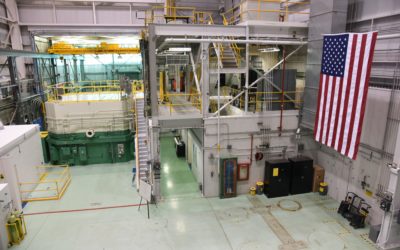
Understanding Aerospace & Defense Cleanroom Classifications
Aerospace & Defense cleanroom classifications regulate a cleanroom’s degree of cleanliness and are defined by the allowed amount of contamination by particle count and size, as well as the necessary air change rates depending on the cleanroom’s classification...
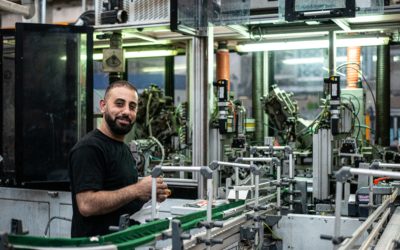
5 Advantages of Softwall Cleanrooms in the Plastic Industry
Examples of applications that can use SoftWall cleanrooms and benefits they provide in plastics industry cleanrooms, having project versatility is priceless. Modular SoftWall cleanrooms give you the ability to adapt to changes to create better products more...
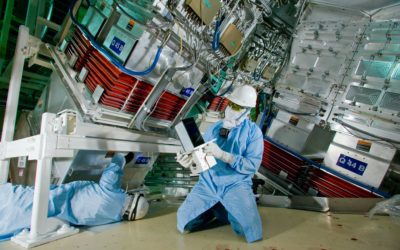
Redesigning Your Aerospace Cleanroom
A new project means new requirements, new equipment, and maybe even new staff and higher stakes. If you need to redesign your aerospace cleanroom to meet the needs of a new project, you want to make sure to make the necessary changes thoroughly and efficiently so...
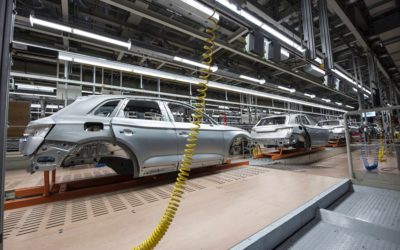
4 Signs Your Automotive Cleanroom Isn’t Working the Way It Should
It’s always best to address any cleanroom problems as soon as possible — better yet, to prevent them with regular cleanroom maintenance. If your automotive cleanroom isn’t working how it should, you may notice some of these signs: #1 Your Cleanroom is Extra Loud If...

Medical Cleanroom Classifications Explained
Medical cleanrooms require strict cleanroom conditions, and so usually fall within ISO 14644-1 Classes 5-8. All medical cleanrooms must comply with their classification standards to ensure employee safety, guarantee product quality, and limit risk to the consumer or...

What to Expect When Assembling Your Pre-Fabricated Modular Cleanroom
Modular cleanrooms are the most convenient way to build a custom cleanroom for your facility. Panels are pre-fabricated according to your specific cleanroom design, and arrive with everything you need to get your cleanroom up and running as soon as possible. Modular...

Plastic Industry Cleanroom Design Tips: How to Choose Cleanroom Tables
When it comes to choosing the right cleanroom furniture for your plastics industry application, you have many options. Cleanroom tables come in a large selection of shapes, sizes, and materials, but not every table is a good fit for your cleanroom. Understanding the...

Aerospace Cleanroom Design Tips: Finding the Right Lighting
Lighting is a critical part of cleanroom design. This system allows employees to properly view what they’re working on, improves the efficiency of your cleanroom operations, and can even help identify contaminants to help keep your cleanroom clean. Which cleanroom...

Safe and Effective Cleanroom Cleaning Solutions for the Medical Industry
Although your cleanroom design is meant to limit the introduction of contaminants into your cleanroom through high-performing HEPA and/or ULPA filters, cleanroom garments and gowning protocols, and airflow patterns, it still needs regular cleaning with proper solvents...

Waste Management in Medical Cleanrooms
Particularly in medical research cleanrooms and pharmaceutical cleanrooms, proper waste management and disposal is important for keeping the environment safe for products and people. Medical cleanroom design should be informed by this system to ensure waste handling...

Medical Cleanroom Garment Storage: How to Keep Cleanroom Garments Clean
Cleanroom garments are as clean as the places where they are kept. They play a vital role in protecting your cleanroom and employees, so it’s essential to take care of them properly. Let’s dive into the importance of keeping cleanroom garments clean, the difference...

Modular Cleanroom Building Process
The modular cleanroom building process is as multifaceted as your industry and as vital as your work, which is why finding with the right team to help you with cleanroom design, construction, and installation is crucial. They’re responsible for making sure your...
Get Instant Access To Our Cleanroom Design Guide
The Most Comprehensive Guide for Cleanrooms and Modular Offices