5 Ways to Reduce Carbon Footprint in Cleanroom Design

5 Ways to Reduce Carbon Footprint in Cleanroom Design

Rising energy costs, stricter environmental regulations, and increasing ESG commitments are prompting organizations to reassess the design and operation of their cleanrooms.

Yes—cleanrooms are essential for maintaining product integrity and regulatory compliance. But they are also among the most energy-intensive environments in industrial and life sciences facilities.

The good news? 

Cleanroom sustainability does not require sacrificing cleanliness, compliance, or performance.

A cleanroom’s carbon footprint is driven primarily by HVAC energy use, airflow volume, material selection, and long-term operational efficiency.

At Angstrom Technology, sustainability is built into the design process from day one. We engineer high-performance cleanrooms that deliver long-term efficiency, measurable energy savings, and lasting operational value.

Below, we explore five innovative ways to reduce carbon footprints of cleanroom design and operation—without compromising control.

Quick Answer: How can you reduce the carbon footprint of a cleanroom?

You can reduce the carbon footprint of a cleanroom by:

  1. Using energy-efficient HVAC and airflow systems
  2. Selecting low-VOC and recyclable construction materials
  3. Leveraging smart building management technology
  4. Designing modular cleanrooms to reduce waste and future rebuilds
  5. Optimizing layouts to minimize energy use while maintaining compliance

5 Ways To Reduce Carbon Footprint in Cleanroom Design

1. Design HVAC Systems to Reduce Energy Use Without Sacrificing Control

HVAC systems account for the largest share of energy consumption in cleanrooms. Continuous air changes, tight temperature tolerances, and humidity control place significant demands on mechanical systems.

Reducing energy use starts with engineering the HVAC system to match the application—not overbuilding it.

Key strategies include:

  • Right-sizing air changes per hour (ACH) based on actual cleanliness requirements
  • Using variable air volume (VAV) systems instead of constant volume, where appropriate
  • Selecting high-efficiency fan filter units (FFUs) to reduce power draw while maintaining airflow performance

The goal is balance. 

Cleanroom classification requirements must be met, but excessive airflow often increases energy use without improving outcomes.

2. Use Low-VOC and Recyclable Cleanroom Materials

Material selection plays a critical role in cleanroom sustainability—and its impact extends well beyond construction.

Choosing low-VOC and recyclable materials helps improve:

  • Indoor air quality
  • Occupant safety
  • Long-term environmental impact

Examples of sustainable cleanroom materials include:

  • Low-VOC wall panels, sealants, and flooring systems
  • Recyclable aluminum framing and modular components

Reduced off-gassing supports cleaner startup conditions, faster certification timelines, and healthier working environments—while aligning with broader sustainability goals.

3. Implement Smart Building Management & Monitoring Technology

Smart building technology is one of the most effective ways to reduce a cleanroom’s carbon footprint over time.

By monitoring critical parameters in real time, facilities gain visibility into how energy is actually being used—and where improvements can be made.

Smart systems can track:

  • Temperature
  • Humidity
  • Differential pressure
  • Energy usage

Key benefits include:

  • Identifying inefficiencies early
  • Reducing unnecessary runtime and over-conditioning
  • Supporting data-driven optimization and predictive maintenance

These innovative systems can integrate with existing building management systems (BMS), allowing operators to fine-tune performance without sacrificing control.

4. Choose Modular Cleanroom Construction to Minimize Waste

Traditional stick-built cleanrooms often generate significant construction waste and are challenging to modify as processes evolve.

Modular cleanroom construction offers a more sustainable alternative.

Modular systems:

  • Reduce construction waste
  • Shorten build timelines
  • Allow reuse, relocation, or reconfiguration

They are especially valuable for facilities anticipating:

  • Process changes
  • Capacity growth
  • Future expansions

Because modular cleanrooms can be adapted rather than demolished and rebuilt, they reduce embodied carbon and extend the usable life of the cleanroom.

5. Optimize Cleanroom Layouts for Efficiency and Longevity

Cleanroom sustainability isn’t just about equipment—it’s also about layout.

Poorly planned layouts can:

  • Increase airflow demand
  • Raise energy loads
  • Create inefficiencies in personnel and material movement

Sustainable layout design considers:

  • Workflow efficiency
  • Equipment placement
  • Personnel flow and segregation

Designing with future growth in mind helps avoid costly rebuilds that increase both financial and environmental costs.

Cleanroom Sustainability, Without Compromising Compliance

Sustainability and ISO compliance are not mutually exclusive—they coexist. 

Effective cleanroom design balances:

By integrating design and construction expertise, Angstrom ensures sustainability strategies are aligned with certification requirements from the start—avoiding rework, delays, and unnecessary energy use.

Why Partner With Angstrom Technology for Sustainable Cleanroom Design:

Angstrom Technology brings an engineering-driven approach to cleanroom sustainability, backed by decades of experience across:

Clients benefit from:

  • Measurable energy savings
  • Long-term operational value
  • Turnkey design-build expertise from concept through certification

Sustainability is not an add-on—it’s built into every decision.

FAQs: Sustainability + Cleanrooms

Q. How energy-intensive are cleanrooms?
A.
Cleanrooms consume significantly more energy than standard spaces due to constant airflow, filtration, and environmental control requirements.

Q. What part of a cleanroom uses the most energy?
A. HVAC systems typically consume the most energy due to continuous air filtration, circulation, heating, cooling, and humidity control.

Q. Is there a way to reduce the carbon footprint of a cleanroom after it’s built?
A. Yes. HVAC optimization, monitoring systems, and operational adjustments can reduce energy use, though the most significant impact comes from sustainable design upfront.

Q. How does cleanroom layout affect energy use?
A. Efficient layouts reduce airflow demand and operational inefficiencies, lowering the overall energy required to maintain cleanroom conditions.

Q. Are modular cleanrooms more sustainable?
A. Yes. Modular cleanrooms reduce waste, support reuse, and lower the environmental impact of future modifications or expansions. The result is long-term operational savings and improved sustainability—without compromising environmental stability.

Q. How does smart technology improve cleanroom energy efficiency?
A. Smart monitoring allows operators to optimize airflow, temperature, and humidity in real time, reducing unnecessary energy use while maintaining compliance.

Q. Do sustainable cleanrooms cost more?
A. Upfront costs may be slightly higher, but sustainable cleanrooms typically deliver long-term savings through reduced energy consumption and maintenance needs.

Angstrom Technology: Designing Cleanrooms for Performance, Efficiency, and the Future

Sustainable cleanrooms protect your process, your people, and the planet—without compromising performance or compliance.

If you’re looking to reduce energy use, meet environmental goals, and build a cleanroom designed for long-term success, Angstrom Technology can help.

Contact Angstrom Technology about designing a cleanroom that meets your performance goals without unnecessary energy waste.

Cleaning Cleanrooms: How Often Should You Have Your cGMP Cleanroom Cleaned?

Cleaning Cleanrooms: How Often Should You Have Your cGMP Cleanroom Cleaned?

After investing in a top-of-the-line cleanroom, keeping it in pristine condition is crucial, especially when adhering to cGMP compliance. 

When properly cared for, a cGMP cleanroom will function at peak performance, ensuring that all processes meet strict regulatory standards. However, failure to adhere to cGMP cleaning standards can lead to contamination, jeopardizing product quality and resulting in costly regulatory issues that can disrupt daily operations.

Here’s a rundown of the best cleaning cleanroom procedures and practices for your cGMP-compliant cleanroom. 

What Are cGMP Requirements for Cleanroom Cleaning?

cGMP, or Current Good Manufacturing Practices, are regulations enforced by the FDA to ensure that products are consistently produced and controlled according to quality standards. These regulations are particularly crucial in pharmaceuticals, biotechnology, and medical device manufacturing, where product safety and efficacy are paramount. 

Classifications of cGMP Cleanrooms

cGMP cleanrooms are classified based on their ISO standards, which define the cleanliness level required for different types of manufacturing environments. The most common classifications include:

  • ISO 5 (Class 100): These cleanrooms have the strictest cleanliness requirements, allowing only 3,520 particles (0.5 microns or larger) per cubic foot of air. They are often used in critical processes such as aseptic filling and sterile drug manufacturing.
  • ISO 6 (Class 1,000): Allows for 35,200 particles per cubic foot and is typically used in processes like vial filling or assembly of sterile devices.
  • ISO 7 (Class 10,000): Permits 352,000 particles per cubic foot and is commonly found in less critical manufacturing processes, such as packaging or certain laboratory environments.

The classification of your cleanroom dictates the stringency of the cleaning protocols. For example, an ISO 5 cleanroom requires more frequent and thorough cleaning than an ISO 7 cleanroom due to the higher sensitivity to particulate contamination.

6 Effective Cleanroom Cleaning Strategies For cGMP Requirements

1. Follow Industry-Specific Standards

Cleanrooms vary widely in use, and cGMP cleanrooms have unique requirements and standards they must adhere to depending on the industry. For example, cGMP cleanrooms in pharmaceuticals must adhere to extremely stringent standards to prevent contamination that could compromise the safety and efficacy of drugs. 

Depending on your industry, your cGMP cleanroom will have a specific layout, ISO rating, and cleanliness standard. Therefore, its cleaning schedule and procedure will also differ.

Cleanrooms with higher ISO ratings, like ISO 5, for example, must be kept at much higher sanitation levels to reduce the chance of interference from minute particles and contaminants. 

Cleanrooms with lower class ratings, such as ISO 7, may be less threatened by certain contaminants or smaller particle sizes, but they still require regular cleaning to maintain standards and efficiency.

2. Follow Contamination Prevention Protocols

In a perfect world, zero contaminants would enter your cleanroom environment. While this is virtually impossible, the best way to keep your cGMP cleanroom clean is to follow strict contamination prevention protocols designed to meet cGMP requirements. These protocols include:

  • Proper Gowning Procedures: All personnel must adhere to cGMP-specific gowning protocols. This includes wearing sterile, non-powdered gloves, sterile gowns, masks, and other protective gear. 
  • Sterilization and Equipment Usage: All tools and equipment used in a cGMP cleanroom must be sterilized according to cGMP standards, including ensuring that all cleaning tools, garments, and materials are appropriately sanitized before use to prevent contamination.
  • Strict Entry Procedures: Entry protocols may involve multiple stages of decontamination, such as air showers, sticky mats, and separate gowning areas, ensuring that personnel and materials are free of contaminants before entering.
  • Importance of Training Staff in cGMP Practices: To minimize risks, staff members should be trained in cGMP contamination prevention practices. 

3. Establish Regular Cleanroom Cleaning Procedures

Keeping your workspace clean requires diligent adherence to daily and weekly cleaning schedules. Depending on the strictness of your class standard, you may need to add more rigorous objectives or increase the frequency of these tasks. 

Whatever your facility requires, it’s essential to create and follow a cleaning schedule that clearly defines all assignments, making them easy to understand and follow. Here are the general cleaning protocols recommended for broad cleanroom needs:

Daily Cleanroom Cleaning:

  • Before a shift begins, use a damp mop on floors and vacuum to dry.
  • Vacuum all walls using a HEPA filter vacuum.
  • Wash and wipe all windows and pass-throughs dry.
  • Wipe down all work areas at the end of every shift. This should occur more frequently in cleanrooms with higher standards.
  • Put away products and supplies between shifts to prevent further contamination.

Weekly Cleanroom Cleaning:

  • Mop floors with a cleanroom-specific detergent, distilled water, and a HEPA filter vacuum.
  • Wipe walls with a damp sponge and distilled water, then vacuum dry.

As Needed:

  • Remove any residue or deposits on ceilings by washing with detergent and distilled water.
  • Using a damp sponge, wipe off all light lenses.
  • Change sticky mats as soon as you notice wear.

Note: This FDA webpage provides a detailed look at cGMP standards and regulations. 

4. Use cGMP-Approved Products Approved for Cleaning Cleanrooms

Cleaning products that are improperly sterilized or unsuitable for cleanroom use can cause contamination, particularly in cGMP cleanrooms where maintaining strict standards is critical. 

Using only cleaning products that are cGMP-approved, non-reactive, and specifically designed for cleanroom environments is essential. This includes using deionized and distilled water for mopping and wiping surfaces and cleanroom-specified cleaning agents that meet cGMP standards. All chemicals and solvents for cleaning must be neutral, non-ionic, and non-foaming to avoid buildup on surfaces over time, which could compromise the cleanliness of the environment.

Cleanroom Cleaning Tips: 

  • High ISO class cleanrooms (ISO levels 5-7) often require sterilizing disinfectants before use, further protecting the cleanroom from contaminants. 
  • Never use scrubs or rags that could shed or corrode surfaces. Instead, only use woven polyester specified for cleanroom use.
  • Follow a mopping protocol that efficiently cleans floors without spreading dirty water over cleaned areas. Employ a mopping system that separates dirty and clean water and won’t scratch or contaminate the floor or walls. 
  • Bringing all needed materials—such as brooms, mops, and cleaning agents—into the cleanroom before cleaning is good practice. This way, once the process is complete, you only need to exit once, reducing the possibility of contamination. 

Note: For a detailed list of cGMP-approved products for cleaning cleanrooms, visit the FDA website here

5. Properly Train Staff on cGMP Cleaning Procedures & Maintenance 

All staff members and janitorial personnel must be rigorously trained in cGMP cleaning protocols to ensure compliance and maintain the cleanroom’s class standards. This includes comprehensive education on gowning procedures, environmental sterilization practices, general equipment maintenance, and more. 

Staff should be equipped to handle spills or other incidents that could lead to contamination. Tools and cleaning supplies should be easily accessible but not stored in a way that could lead to cross-contamination. To support this, having guides and cleaning checklists posted visibly in the room can help staff consistently follow cGMP protocols and maintain a sanitary environment

6. Conduct Regular Inspections and Monitoring for cGMP Compliance

Even if you’re doing everything right and following the proper cleanroom procedures, it’s crucial to conduct regular inspections and environmental monitoring to ensure ongoing cGMP compliance. Regular checkups help verify that your cleanroom consistently meets cGMP standards, preventing potential lapses that could lead to contamination or non-compliance.

Cleanroom Inspection & Monitoring Tips:

  • Air samplers or settle plates can be used to test for organisms and measure particles per cubic foot, ensuring that the cleanroom environment remains within the required cleanliness levels. 
  • Regular checkups of your HVAC system play a vital role in maintaining cGMP compliance. The HVAC system controls temperature, humidity, and air filtration, all of which are critical factors in ensuring the cleanroom environment remains stable and free from contaminants. A properly functioning HVAC system will maintain a steady temperature and humidity level, consistently changing air to meet your ISO specifications, which is essential for preserving the cleanliness and integrity of the cleanroom.
  • Utilize cleanroom experts to inspect, monitor, and repair your cleanroom. At Angstrom, our tailored maintenance and repair services ensure your cleanroom continues to meet the highest industry standards. When the unexpected occurs, our team is ready to assist wherever needed. 

Count On Expert Cleanroom Maintenance Solutions from Angstrom Technology

If you’re cleaning your cleanroom and still not getting the desired results, it might be time for specialized maintenance. To ensure your cleanroom remains compliant with cGMP standards, it’s crucial to consult with experts like our expert team at Angstrom

Whether you need help troubleshooting specific issues or want to enhance your cleaning protocols, our expertise can ensure your cleanroom always functions to the best of its ability. Contact us today to learn more! 

CONTACT A LIFE SCIENCE CLEANROOM EXPERT

What is the Difference Between a Controlled Environment and a Cleanroom?

What is the Difference Between a Controlled Environment and a Cleanroom?

The words cleanroom and controlled environment are often used interchangeably when talking about environment control in critical spaces. But what is a cleanroom? What is a controlled environment? There is a difference, and that difference is crucial. When it comes to controlled environments vs. cleanrooms, here’s what you need to know:

Controlled Environments vs. Cleanrooms

What Is a Controlled Environment?

A controlled environment, or critical environment, is an area that must have specific parameters controlled. The parameters include pressure, temperature, and segregation. Many laboratories are considered controlled environments, as they have controlled temperature and pressure and are separated from other operations, such as manufacturing or shipping. Unlike cleanrooms, controlled environments do not necessarily have to meet certain standards for particle contamination.

Common Applications for Controlled Environments:

  • Life science laboratories
  • Engineering laboratories
  • Laser labs
  • High-energy physics facilities
  • Hospitals
  • Cannabis grow rooms
  • Clean manufacturing
  • Food processing rooms
  • Pharmacies
  • Quality labs

What Is a Cleanroom?

A cleanroom is a type of controlled environment with much more stringent requirements. Cleanrooms require temperature and pressure control, as well as separation from the outside environment and other operations. 

All the requirements of cleanrooms are regulated and must meet designated standards. Cleanrooms are classified by the maximum acceptable number of particles (by size) in the air per cubic meter, and must be regularly tested to ensure compliance with that standard (see more about cleanroom classifications here). Compared to standard controlled environments, cleanrooms may require more energy, air, and advanced technology to maintain the cleanroom conditions.

Common Applications for Cleanrooms:

  • Semiconductor manufacturing
  • Pharmaceutical manufacturing
  • Research and development 
  • Laser and optics 
  • Electronics manufacturing 
  • Medical device manufacturing 
  • Precision industrial manufacturing 
  • Aerospace 
  • Mask manufacturing
  • 3D printing 
  • Nutraceutical cleanroom
  • Food processing/bottling

Do I Need a Cleanroom or a Controlled Environment? 

The answer to this question depends on two factors: your application and your industry. If packaging medical devices, you’ll need an ISO class 7 compliant cleanroom or higher. If you have a process control laboratory for a chrome plating company, you aren’t required to meet a specific ISO classification, but you need to control the environment. 

You may even have different needs within your facility; you may need a controlled environment for sensitive materials that don’t need to meet cleanroom standards but also require an ISO class 8 cleanroom for quality control testing.

When building and designing a cleanroom, contractors consider various factors to determine the necessary construction materials and regulating equipment. To ensure the facility is accurately equipped and meets standards, the contractor will consider the following: 

  • Required ISO class FDA regulations
  • Types and placement of HEPA or ULPA filters
  • Environmental conditions 
  • HVAC requirements
  • Spatial specifications
  • Construction materials
  • Air showers
  • Pass-thru units
  • Fire protection
  • Light and air supply
  • Electrical and plumbing requirements
  • Equipment hookups and special equipment

Partner with Angstrom Technology for Expert Guidance

Understanding the difference between controlled environments and cleanrooms is pivotal in determining the appropriate solution for your specific requirements and industry standards. 

With over 30 years of industry experience, we offer unparalleled expertise and a comprehensive portfolio to meet your cleanroom needs. From conceptualization to installation and ongoing support, our commitment to excellence ensures a seamless journey toward achieving your cleanroom objectives. 

Contact the Angstrom team today for all your cleanroom needs!

Get Instant Access to Our Cleanroom Design Guide

The Most Comprehensive Guide for Cleanrooms and Modular Offices
Design-Guide-Thumbnail

Radiopharmaceutical Cleanroom FAQs

Radiopharmaceutical Cleanroom FAQs

 Interested in learning about the radiopharmaceutical industry and radiopharmaceutical cleanrooms? As an experienced radiopharmaceutical cleanroom manufacturer, we’re here to answer any questions you have about the design or installation of these innovative spaces. 

To get you started, we’ve listed 10 of our most frequently asked questions about radiopharmaceutical cleanrooms, along with their answers, below. 

1. What Are Radiopharmaceuticals?

Radiopharmaceuticals are a group of pharmaceutical drugs that contain radioactive isotopes. In the past, they’ve mainly been used as diagnostic agents that help doctors identify a number of medical problems. 

However, they’ve recently gained recognition for being viable forms of treatment for life-threatening conditions like cancer. For those cases, the radiopharmaceutical drug is absorbed into the cancerous area, then destroys any affected tissue. Many patients have found radiopharmaceuticals to be a less-invasive, less-painful alternative to other chemotherapy and radiation techniques. 

2. What Risks Are Associated With Handling Radiopharmaceuticals?

In traditional pharmaceutical applications, the main goal is to protect sensitive products from being harmed by contaminants. However, in radiopharmaceutical applications, there are two goals: to protect the products and to protect the people handling them. 

Why? Radiopharmaceuticals contain radioactive isotopes, which can be harmful to human health after lengthy or frequent exposures. Too much radiation exposure has been known to cause the following health conditions: skin burns, acute radiation syndrome, cancer, cardiovascular disease, reproductive issues, and more. 

3. What Is a Radiopharmaceutical Cleanroom?

As the name suggests, a radiopharmaceutical cleanroom is a controlled cleanroom environment in which radiopharmaceuticals are tested, produced, packaged, or distributed. Radiopharmaceutical cleanrooms are not the same as traditional pharmaceutical cleanrooms, as they have unique control, cleanliness, and process requirements in order to ensure patient and operator safety. They also house different types of cleanroom furniture and equipment. 

All this said, it’s important to be aware of any unique design considerations radiopharmaceutical cleanrooms require.

4. What ISO Classification Do Radiopharmaceutical Cleanrooms Require?

In most cases, radiopharmaceutical cleanrooms are required to meet ISO Class 7-8 standards. However, they may also feature some designated areas or chambers that meet even more stringent standards, such as ISO Class 6 or above. 

5. What Other Quality Standards Do Radiopharmaceutical Cleanrooms Need to Meet?

ISO standards aren’t the only quality standards that radiopharmaceutical cleanrooms need to meet. In most cases, they also need to meet GMP standards and USP standards

GMP stands for Good Manufacturing Practice, which is a quality management system enforced by the US Food and Drug Administration and used mainly by medical and pharmaceutical manufacturers. The main goal of these standards is to minimize the risks of microbiological, particulate, and pyrogen contamination during the preparation and sterilization of medicines or medical devices. 

USP stands for United States Pharmacopeia, which is “an independent, scientific nonprofit organization focused on building trust in the safe supply of safe, quality medicines.” USP is not a government entity, but works alongside government agencies and regulatory authorities around the world to safeguard the global supply of medicines and other consumable products. Their standards are legally recognized in the United States and are used in over 140 countries.

The main goals of these standards are to protect patient and worker safety while developing, packaging, distributing, and consuming medicines and dietary supplements. The USP standard that’s most pertinent to radiopharmaceutical applications is USP 825, which you can read more about in our previous blog post. 

6. What Types of Equipment Do Radiopharmaceutical Cleanrooms Require?

Radiopharmaceutical cleanrooms require various types of equipment, some of which are completely different from those found in traditional pharmaceutical cleanrooms. A few common types of radiopharmaceutical equipment include:

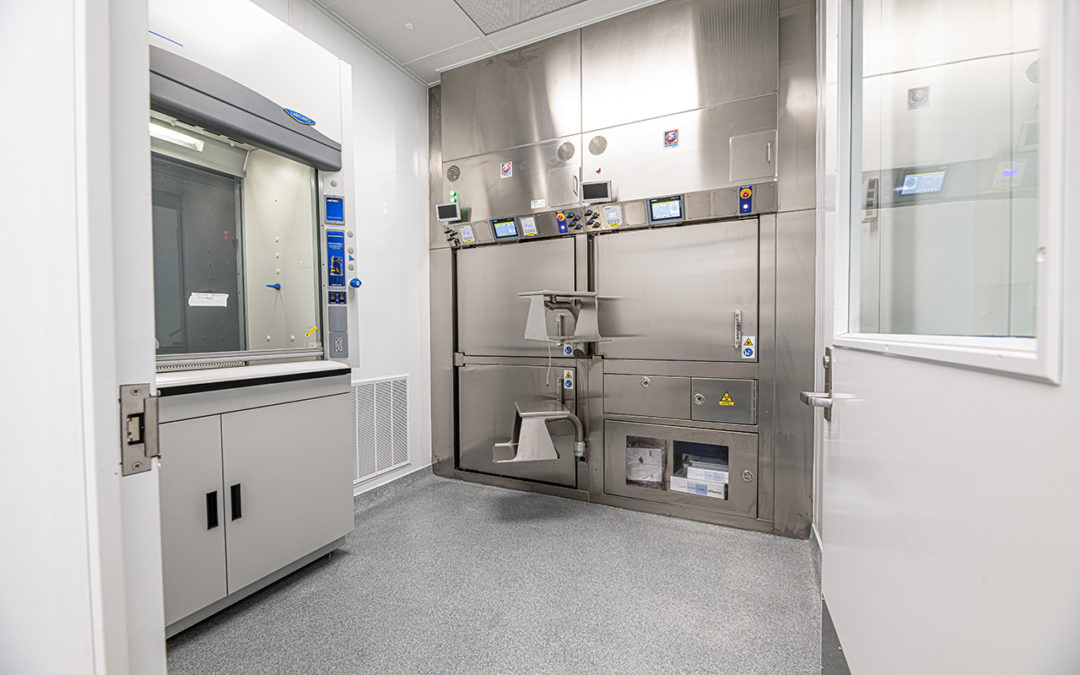
  • Hot cells
  • Isolators
  • Elaborate casework
  • Fume hoods
  • Environmental control and monitoring systems (which can be connected to the building management system, or BMS)
  • Biosafety cabinets
  • Sterile work tables and surfaces
  • Cyclotron storage 

7. What Type of Cleanroom Is Best for Radiopharmaceutical Applications? 

Radiopharmaceutical cleanrooms require a high level of environmental control in order for drugs to be safe and effective for patient use. Therefore, HardWall cleanrooms are generally the best option, as they can accommodate that high level of control against contamination, temperature, humidity, and more. 

8. How Big Do Radiopharmaceutical Cleanrooms Need to Be?

Your radiopharmaceutical cleanroom can be any size your facility needs. However, when determining cleanroom size, it’s important to consider all the specialized furniture and equipment it needs to house. Things like hot cells and isolators aren’t small, so make sure your cleanroom can accommodate the amount that you need. 

Another important consideration is that with modular cleanroom design, you always have room and opportunity for growth. If your facility chooses to expand in the future, modular design allows for quick and simple reconfigurations and additions — but that process is only quick and simple if it’s planned for ahead of time. 

For almost all cleanroom projects, we recommend that facilities plan for this growth during the initial design phase. Considering what expansion will look like or could potentially be is an important step in eliminating additional costs or unwanted downtime within the cleanroom. 

9. What Type of Pressure Do Radiopharmaceutical Cleanrooms Require?

More often than not, radiopharmaceutical cleanrooms are actually radiopharmaceutical cleanroom suites, which contain multiple different controlled rooms or zones. Within these cleanroom suites, cascading pressure is typically required. 

Cascading pressure means the most stringent cleanroom zone has the highest level of pressure, and the least stringent cleanroom zone has the lowest level of pressure. This helps ensure that contamination and particles will not flow into the most critical or cleanest zone.

10. What Radiopharmaceutical Cleanroom Projects Has Angstrom Technology Completed?

In October 2021, Angstrom Technology completed a radiopharmaceutical cleanroom suite project for Michigan State University’s College of Human Medicine and Bold Advanced Medical Future (BAMF) Health. 

BAMF Health is a key innovator in the global radiopharmaceuticals and theranostics industry. With a focus on AI-based precision medicine, molecular imaging, and theranostics, they’re working to create a cutting-edge technology that results in the most efficient, effective, and non-invasive therapeutics for life-threatening conditions like cancer, Alzheimer’s, Parkinson’s, cardiac disease, and more. 

The cleanroom facility is based in Grand Rapids, MI, and totals 3,200 square feet. Here are some of the details:

  • 17 internal rooms, sectioned into three main areas: Commercial Operations, Therapeutic Infusion, and Research and Development
  • HardWall cleanroom
  • ISO 7 & 8
  • 10’ internal ceiling height
  • Environmental control and monitoring systems in each room, all connected to the BMS
  • 18 hot cells

To learn more about this project, visit our Advanced Radiopharmaceuticals Cleanroom page.

Design & Build Your Radiopharmaceutical Cleanroom With the Experts at Angstrom Technology

With the recent development of advanced radiopharmaceutical treatments and therapies, radiopharmaceutical cleanrooms are on the rise. If you’re hoping to build one of your own, contact our team at Angstrom Technology. We can help answer your questions, guide you through the process, and install a cleanroom that meets your facility’s specifications. 

Pharmaceutical Cleanroom Maintenance Tips

Pharmaceutical Cleanroom Maintenance Tips

If you work in the pharmaceutical industry, you know that even the slightest bit of contamination could drastically disrupt your production line and affect the safety of consumers. Because of this, it’s not only important to perform operations within a cleanroom, but it’s also important to keep that cleanroom well-maintained. 

You should think of your cleanroom just like any other piece of equipment. It needs a little tuning up here and there to keep it running as it’s intended. Let’s take a closer look into what regular maintenance looks like for pharmaceutical cleanrooms. 

Looking for examples of our work with pharmaceutical cleanrooms at Angstrom Technology? Check out this case study on a pharmaceutical cleanroom we designed and installed for our client, Praxis. 

Pharmaceutical Cleanroom Maintenance Tips

When it comes to pharmaceutical cleanrooms, there’s one main category of contaminants that could disrupt your operations: process- or human-related contaminants, such as dirt, skin, hair, clothing fibers, etc.

In order to combat these contaminants, most facilities have their own unique method and schedule for cleanroom maintenance. But if you’re new to the cleanroom world and you’re wondering where to start, the following sections outline some of the most basic cleanroom maintenance tips to keep in mind. 

Day-to-Day Cleanroom Maintenance

The most tried-and-true method of keeping your cleanroom in good operating condition is to diligently adhere to daily cleaning tasks. You’ll want to do the following at least once per shift: 

  • Wet mop floors with an ISO-recommended mop, cleaning solution, and deionized water
  • Change sticky mats (if applicable)
  • Wipe walls with an ISO-recommended mop and cleaning solution
  • Wipe furniture, tables, and work surfaces with ISO-recommended wipes and cleaning solution
  • Clean pass-through chambers and other additional features with ISO-recommended wipes and cleaning solution (if applicable)
  • Remove trash, soiled garments/PPE, and waste

Something to keep in mind — while accomplishing each of these tasks, it’s best to think of your cleanroom divided into four sections: ceilings, walls, surfaces, and floors. Then, clean each area following that particular order, from the highest point of your room (ceilings) to the lowest point (floors). This helps to reduce the risk of transferring contaminants from one area to another or counterproductively dirtying a workspace you’ve just cleaned. 

Filter Maintenance

Your filtration system is responsible for filtering the air that is constantly circulated in and out of your cleanroom. Since they’re usually operating on a 24/7 basis, these filters need to be serviced and changed with some sort of frequency. There are two main components of your filters that require regular servicing: 

  • Pre-filters are the outermost filters and, in most cases, are located in the return air grilles. They are easily accessed from within the cleanroom, and should be checked on a quarterly basis to see if they need to be replaced. By changing out the pre-filters with some sort of frequency you will extend the life of your HEPA/ULPA filter.
  • HEPA/ULPA filters do the heavy lifting in the filtration process and therefore are more of an investment — in terms of both labor and finances. ULPA filters remove 99.9995% of particles 0.12 microns or larger. HEPA filters remove 99.99% of particles 0.3 microns or larger. These filters typically sit inside the fan filter housing which is installed in the ceiling grid. But with proper pre-filter maintenance and replacements, HEPA/ULPA filters can last up to 8-10 years, depending on the cleanliness of the surrounding facility. 

Additional Equipment Maintenance

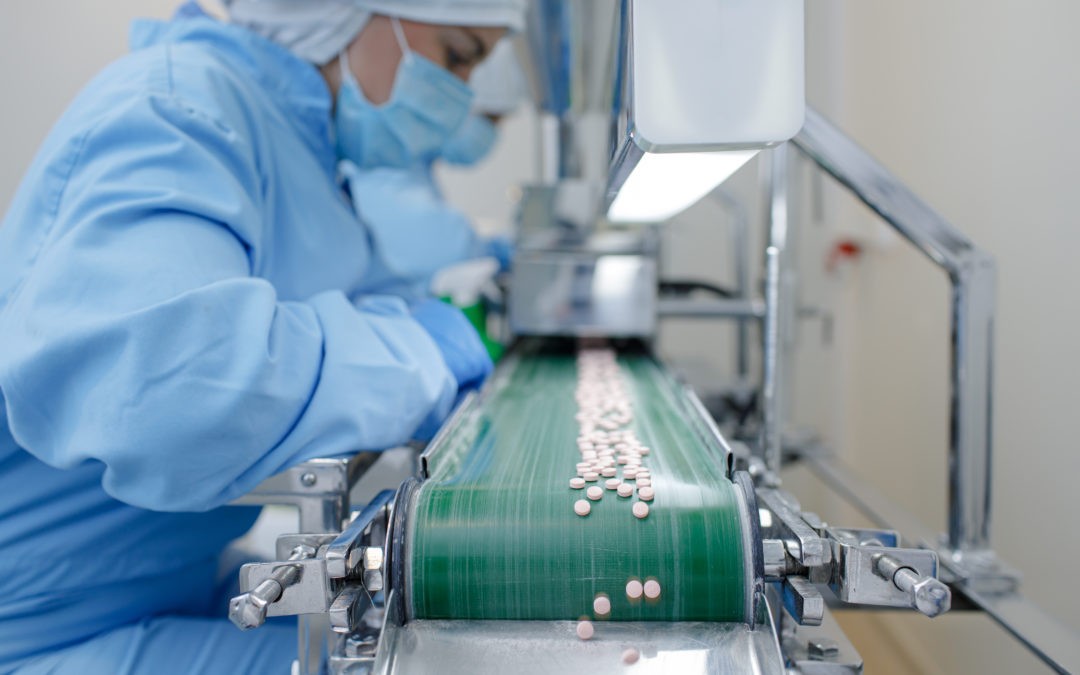
From glove boxes to pill packaging conveyor systems, whatever equipment your cleanroom holds should be serviced according to manufacturer recommendations. Any malfunctioning machines could release contaminants or gases that pose a threat to the sensitive materials you’re handling. Always make sure your equipment is working normally before starting daily operations. Equipment typically requires bi-annual or annual servicing, calibration, and certification.

Cleanroom Maintenance Reporting

Our final cleanroom maintenance tip is to keep a thorough, detailed record of all your cleanroom maintenance efforts. We recommend setting up cleanroom maintenance protocols, documenting and outlining the following:

  • The person responsible for each maintenance task
  • A schedule for accomplishing each maintenance task
  • Contamination levels before and after cleaning and/or maintenance
  • Any “good-to-know” items or maintenance tasks that require follow-up


By using these protocols, you’ll help to ensure that your team sticks to all required maintenance, that your facility remains compliant with all ISO classification standards, and that your business remains profitable. 

If your company doesn’t have the capacity and/or resources to stick to regular cleanroom maintenance, don’t worry! There are plenty of resources out there for contracting maintenance and cleanroom cleaning work. Check with your cleanroom manufacturer to see if they have their own maintenance services, or if they can refer you to someone they trust. 

Looking for someone to service your cleanroom and get it back into top shape? Give Angstrom Technology a call! As experienced cleanroom experts, we’re happy to talk through your needs and find the right solutions. 

Understanding the Value of Modular Cleanrooms

Understanding the Value of Modular Cleanrooms

At Angstrom Technology, we like to take a step back every once in a while, taking the time to acknowledge and appreciate the impact of our work in various industries. It helps us put our work into perspective, and it motivates us to deliver excellence each and every day.

As we’ve reflected throughout the past years, we’ve always been astonished at how much innovation happens within modular cleanrooms. These quickly built, easily modified, heavily treated chambers truly make groundbreaking work possible. As a resource that helps scientists, and engineers test, manufacture, and package products safely, cleanrooms bring tremendous value not only to the workforce, but to society as a whole. 

In this article, we’ll explore some amazing ways that various industries have used modular cleanroom technology to trailblaze a path of innovation.

The Value Modular Cleanrooms Bring to Various Industrial Applications

Modular cleanrooms have proven themselves to be beneficial for a number of applications, in a number of industries. Some of history’s most important inventions required cleanrooms’ quality control, and some of the future’s best and brightest innovations are being tested in them today. Below, let’s discuss some common industries that use cleanrooms, and what important things they’re using them for. 

Aerospace

Aerospace cleanrooms are crucial for the development of aircraft and spacecraft hardware, fine electronics, engine components, and more. In order to manufacture, assemble, and test those components, the aerospace industry needs a high level of control over the cleanroom environment — usually meeting an ISO Class 7 requirement, at minimum.

Each day, aerospace engineers are working hard to develop technologies that help us continue our journey of exploring the unknown. Modular cleanrooms give them the space they need to do that revolutionary work. 

Semiconductor

Semiconductor cleanrooms prevent particles from contaminating certain parts of nanotechnology — like semiconductors and microchips — that allow us to operate phones and computers more safely and efficiently. When even the smallest bit of contamination can lead to serious product issues and failures, a stringent modular cleanroom environment of ISO Class 5 or lower is necessary. 

Our world is reliant on constant technological innovations in order to stay connected, do business, and maintain a quality lifestyle. Modular cleanrooms will always provide a space to make those technological advances happen.

University Labs and Research Facilities

University labs and research facilities encompass a variety of applications, from medical research, to forensic science, to hazardous chemicals. Additionally, the university setting requires that spaces are able to be reassigned and restructured as student, research, and funding needs change throughout the years. Therefore, the versatility of quickly built, easily modified modular cleanrooms is extremely valuable here. 

Universities host some of the most advanced, highly recognized research facilities. Students and faculty are working with state-of-the-art technology to solve some of their industry’s most perplexing problems. A modular cleanroom can provide a controlled environment to foster that learning, no matter what the specific application may be. 

Military 

In regards to the military, weapons manufacturing is a critical component in upholding national security and protecting American citizens. Due to the deadly nature of the products and volatile compounds used in this industry, a controlled cleanroom environment is crucial in maintaining the safety of information, products, and personnel. 

Weapons manufacturing is, and always will be, dangerous. However, it plays a key role in protecting our nation’s infrastructure from devastating threats. Modular cleanrooms can help lessen the risk and bolster the production. 

Angstrom Technology can design a modular cleanroom to meet all your requirements and design considerations. If you’re interested in designing and installing one for your facility, speak with one of our design engineers to get started.