
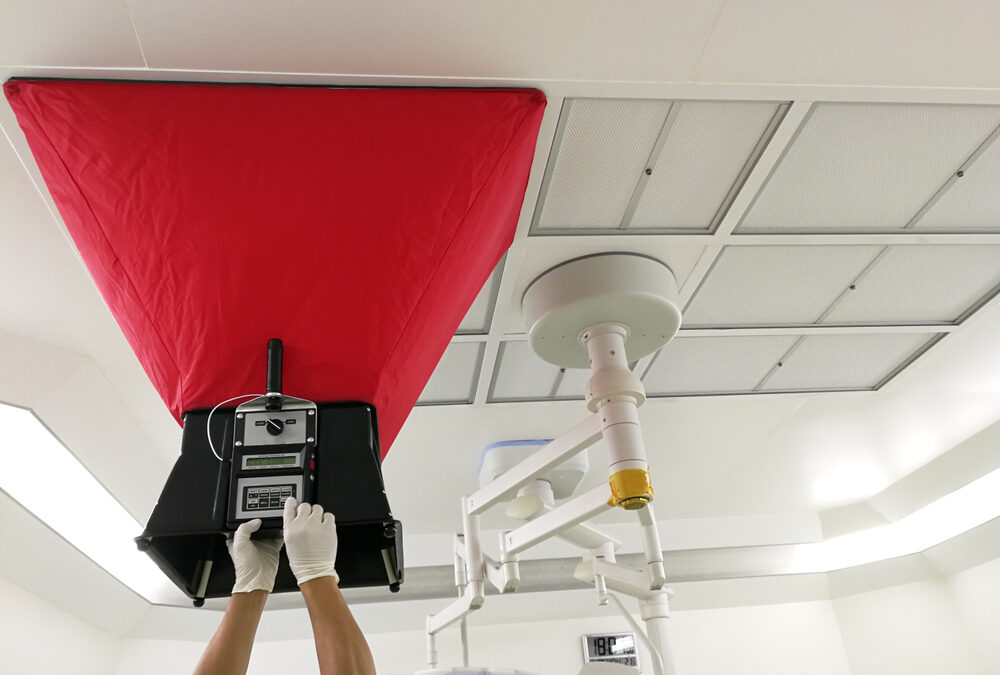
Rising energy costs, stricter environmental regulations, and increasing ESG commitments are prompting organizations to reassess the design and operation of their cleanrooms.
Yes—cleanrooms are essential for maintaining product integrity and regulatory compliance. But they are also among the most energy-intensive environments in industrial and life sciences facilities.
The good news?
Cleanroom sustainability does not require sacrificing cleanliness, compliance, or performance.
A cleanroom’s carbon footprint is driven primarily by HVAC energy use, airflow volume, material selection, and long-term operational efficiency.
At Angstrom Technology, sustainability is built into the design process from day one. We engineer high-performance cleanrooms that deliver long-term efficiency, measurable energy savings, and lasting operational value.
Below, we explore five innovative ways to reduce carbon footprints of cleanroom design and operation—without compromising control.
Quick Answer: How can you reduce the carbon footprint of a cleanroom?You can reduce the carbon footprint of a cleanroom by:
|
5 Ways To Reduce Carbon Footprint in Cleanroom Design
1. Design HVAC Systems to Reduce Energy Use Without Sacrificing Control
HVAC systems account for the largest share of energy consumption in cleanrooms. Continuous air changes, tight temperature tolerances, and humidity control place significant demands on mechanical systems.
Reducing energy use starts with engineering the HVAC system to match the application—not overbuilding it.
Key strategies include:
- Right-sizing air changes per hour (ACH) based on actual cleanliness requirements
- Using variable air volume (VAV) systems instead of constant volume, where appropriate
- Selecting high-efficiency fan filter units (FFUs) to reduce power draw while maintaining airflow performance
The goal is balance.
Cleanroom classification requirements must be met, but excessive airflow often increases energy use without improving outcomes.
2. Use Low-VOC and Recyclable Cleanroom Materials
Material selection plays a critical role in cleanroom sustainability—and its impact extends well beyond construction.
Choosing low-VOC and recyclable materials helps improve:
- Indoor air quality
- Occupant safety
- Long-term environmental impact
Examples of sustainable cleanroom materials include:
- Low-VOC wall panels, sealants, and flooring systems
- Recyclable aluminum framing and modular components
Reduced off-gassing supports cleaner startup conditions, faster certification timelines, and healthier working environments—while aligning with broader sustainability goals.
3. Implement Smart Building Management & Monitoring Technology
Smart building technology is one of the most effective ways to reduce a cleanroom’s carbon footprint over time.
By monitoring critical parameters in real time, facilities gain visibility into how energy is actually being used—and where improvements can be made.
Smart systems can track:
- Temperature
- Humidity
- Differential pressure
- Energy usage
Key benefits include:
- Identifying inefficiencies early
- Reducing unnecessary runtime and over-conditioning
- Supporting data-driven optimization and predictive maintenance
These innovative systems can integrate with existing building management systems (BMS), allowing operators to fine-tune performance without sacrificing control.
4. Choose Modular Cleanroom Construction to Minimize Waste
Traditional stick-built cleanrooms often generate significant construction waste and are challenging to modify as processes evolve.
Modular cleanroom construction offers a more sustainable alternative.
Modular systems:
- Reduce construction waste
- Shorten build timelines
- Allow reuse, relocation, or reconfiguration
They are especially valuable for facilities anticipating:
- Process changes
- Capacity growth
- Future expansions
Because modular cleanrooms can be adapted rather than demolished and rebuilt, they reduce embodied carbon and extend the usable life of the cleanroom.
5. Optimize Cleanroom Layouts for Efficiency and Longevity
Cleanroom sustainability isn’t just about equipment—it’s also about layout.
Poorly planned layouts can:
- Increase airflow demand
- Raise energy loads
- Create inefficiencies in personnel and material movement
Sustainable layout design considers:
- Workflow efficiency
- Equipment placement
- Personnel flow and segregation
Designing with future growth in mind helps avoid costly rebuilds that increase both financial and environmental costs.
Cleanroom Sustainability, Without Compromising Compliance
Sustainability and ISO compliance are not mutually exclusive—they coexist.
Effective cleanroom design balances:
- ISO classifications
- Industry-specific regulations
- Energy efficiency goals
By integrating design and construction expertise, Angstrom ensures sustainability strategies are aligned with certification requirements from the start—avoiding rework, delays, and unnecessary energy use.
Why Partner With Angstrom Technology for Sustainable Cleanroom Design:
Angstrom Technology brings an engineering-driven approach to cleanroom sustainability, backed by decades of experience across:
Clients benefit from:
- Measurable energy savings
- Long-term operational value
- Turnkey design-build expertise from concept through certification
Sustainability is not an add-on—it’s built into every decision.
FAQs: Sustainability + Cleanrooms
Q. How energy-intensive are cleanrooms?
A. Cleanrooms consume significantly more energy than standard spaces due to constant airflow, filtration, and environmental control requirements.
Q. What part of a cleanroom uses the most energy?
A. HVAC systems typically consume the most energy due to continuous air filtration, circulation, heating, cooling, and humidity control.
Q. Is there a way to reduce the carbon footprint of a cleanroom after it’s built?
A. Yes. HVAC optimization, monitoring systems, and operational adjustments can reduce energy use, though the most significant impact comes from sustainable design upfront.
Q. How does cleanroom layout affect energy use?
A. Efficient layouts reduce airflow demand and operational inefficiencies, lowering the overall energy required to maintain cleanroom conditions.
Q. Are modular cleanrooms more sustainable?
A. Yes. Modular cleanrooms reduce waste, support reuse, and lower the environmental impact of future modifications or expansions. The result is long-term operational savings and improved sustainability—without compromising environmental stability.
Q. How does smart technology improve cleanroom energy efficiency?
A. Smart monitoring allows operators to optimize airflow, temperature, and humidity in real time, reducing unnecessary energy use while maintaining compliance.
Q. Do sustainable cleanrooms cost more?
A. Upfront costs may be slightly higher, but sustainable cleanrooms typically deliver long-term savings through reduced energy consumption and maintenance needs.
Angstrom Technology: Designing Cleanrooms for Performance, Efficiency, and the Future
Sustainable cleanrooms protect your process, your people, and the planet—without compromising performance or compliance.
If you’re looking to reduce energy use, meet environmental goals, and build a cleanroom designed for long-term success, Angstrom Technology can help.
Contact Angstrom Technology about designing a cleanroom that meets your performance goals without unnecessary energy waste.