What Not to Wear: Cleanroom Edition

What Not to Wear: Cleanroom Edition

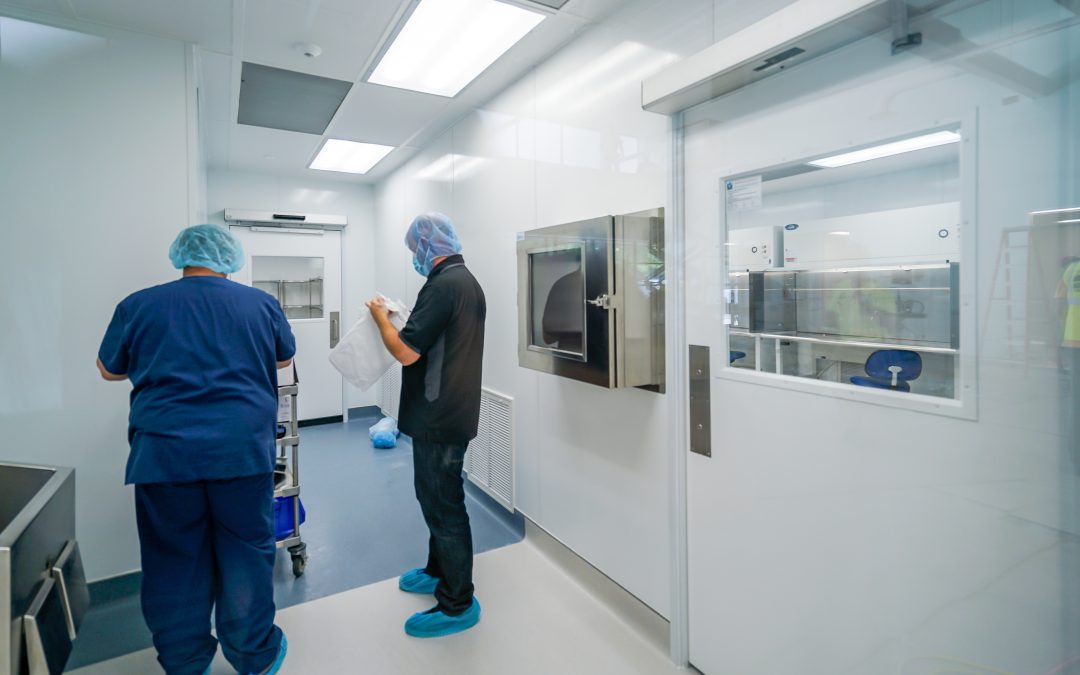
Obviously, your cleanroom’s construction and air filtration system are critical factors in keeping your cleanroom contamination-free, but so is what people wear in the cleanroom. People and fabrics are major sources of contaminants, and it’s crucial your control those sources with proper attire. Here’s what (and what not) to wear in a cleanroom:

Do’s:

  • Hoods
  • Hair Covers
  • Coveralls
  • Intersuits
  • Boots or shoe covers
  • Facial Covers
  • Gloves
  • Frocks

Depending on the classification of your cleanroom, there may be different requirements for the garments you have to wear. For instance, an ISO 3 Class (Fed Std. Class 1) cleanroom will likely require all of the garments listed in the “do’s” above, and will likely require that those garments be changed for new or cleaned ones every time you enter the cleanroom, whereas an ISO Class 5 cleanroom will require most of those garments, to be changed every day, and an ISO Class 8 cleanroom will require only some of those garments and that they be changed every two weeks.

Don’ts:

  • Makeup
  • Long hair (uncovered or not pulled back)
  • Fibrous sweaters or materials that shed
  • Materials that cause static
  • Dirty clothes or shoes
  • Extremely loose or baggy clothing
  • Shorts, tank tops, or other clothing that has cutouts or exposes skin

The “don’ts” here are don’ts because these items can bring contamination into the cleanroom. Dirty clothes and shoes are the most obvious of these contaminators, but a lot of contamination can come from the skin and hair cells we lose every day without us even knowing. Makeup can also shed from the skin and cause contamination, as can the fibers from clothing.

If you’re updating your current cleanroom, or starting from scratch, call the experts at Angstrom Technology.

Best Practices for Working in a Cleanroom

Best Practices for Working in a Cleanroom

Whether you’ve been working in cleanroom environments for 20 years or it’s your first day on the job, a reminder of the basic best practices for working in a cleanroom can always be of use. Here are some things to keep in mind and implement when working in controlled environments:

  1. Follow written procedures

Written laboratory procedures exist for a reason: your safety, product safety, process integrity, cleanroom integrity, customer specifications, and legal compliance, to name a few of the major reasons. Going off script could cause major harm at worst, and at best, save you a few minutes time—hardly a worthwhile trade-off.

  1. Wear proper PPE

Again, this is about safety. Many cleanroom applications deal with hazardous or toxic chemicals and materials, and so wearing the required personal protective equipment, whether it’s gloves, goggles, or just safety glasses, is a must.

  1. Wear proper attire

If your cleanroom has a dress code or a specific gowning procedure, following it is crucial to minimizing contamination from outside as well as from your self, clothes, fibers, skin particles, etc.

  1. Don’t leave doors open

This one is obvious, but worth repeating: open doors let contamination in.

  1. Don’t leave hazardous materials out

Leaving hazardous materials unattended and out when not in use can lead to chemical spills and other accidents that are dangerous to personnel and compromise the cleanroom environment.

  1. Use a fume hood

When working with hazardous chemicals, using a fume hood is critical to keeping vapors and particles out of the air, protecting you and the cleanroom environment.

  1. Report issues immediately

From injuries and accidents to broken equipment, reporting any issues immediately is necessary for resolving them quickly and preventing bigger problems down the line.

Is it time to upgrade your cleanroom? Give Angstrom Technology a call.

Choosing the Right Cleanroom Design and Installation Company

Choosing the Right Cleanroom Design and Installation Company

For facilities requiring a clean environment, the cleanroom itself is a crucial component. As a general contractor or builder, you know that finding the right company to design/build and service, your cleanroom is a critical part of your projects success. How do you choose the right cleanroom design and installation company? Here are some qualities a good cleanroom design company should have:

Good communication—quick response times

Communication is essential in any construction project, and it’s vital for subcontracted work. The cleanroom design company that you chose should give respond quickly with a budgetary quote, and be able to answer any technical questions you may have in the design/build portion of your project. Once the project is underway supply you with weekly project updates, keeping your timeline in check.

Fast lead times and ability to meet deadlines

You don’t have months and months to get this cleanroom constructed—you need it done quickly and efficiently, within your timeframe. You have deadlines that you have to meet, and the cleanroom designer should understand and respect that. Given a reasonable amount of time and all the necessary information to complete the cleanroom project, a good cleanroom design firm should be able to make quick turnaround times and keep the cleanroom, and therefore the rest of your project, on schedule.

Customization capabilities

Good cleanroom designers will work with you to create the right cleanroom for the client, and this may include custom requests. Good designers aren’t inflexible—they won’t just provide a boilerplate, cookie-cutter, one-size-fits-all cleanroom, because the needs of each client are unique, based upon cleanroom application and other circumstances. The cleanroom design firm you choose should be willing and able to design custom elements such as casework, cleanroom benches, and tables, to fit the client’s specific needs.

Ability to stay on budget   

Cleanrooms can be an enormous cost for your client, and as such, the budget must be respected. If a cleanroom designer can’t stick to the agreed-upon budget, the project can’t succeed, and problems will arise for all parties, the cleanroom design company, you, and the client. Good cleanroom designers will be able to provide a workable cleanroom design within budget constraints.

Selecting the best company for your cleanroom design and installation project is the first and most essential step in providing your client with the cleanroom their company needs. Finding a cleanroom design company with good communication practices, quick turnaround times, the ability to customize, and budget-consciousness will ensure that your cleanroom design is a success.

If you’re tasked with a cleanroom design project and have questions about designing a new cleanroom, give the experts at Angstrom a call. We install all kinds cleanrooms and have a selection of necessary cleanroom equipment and supplies.

Design Options to Reduce Your Cleanroom Budget

Design Options to Reduce Your Cleanroom Budget

When you’re commissioning a new cleanroom, it can feel like a necessary evil. You need a cleanroom to start operations, but it costs a lot of money that you might not have available in the budget at the time. It’s a bit of a Catch-22. At this point, you’re probably looking for anything that will get you the cleanroom you need in the time frame you have. Luckily, there are a variety of cleanroom design options that can solve some of the most common budget concerns. Here are a few cost-cutting design options to keep in mind when you’re looking for a cleanroom now:

Go Modular

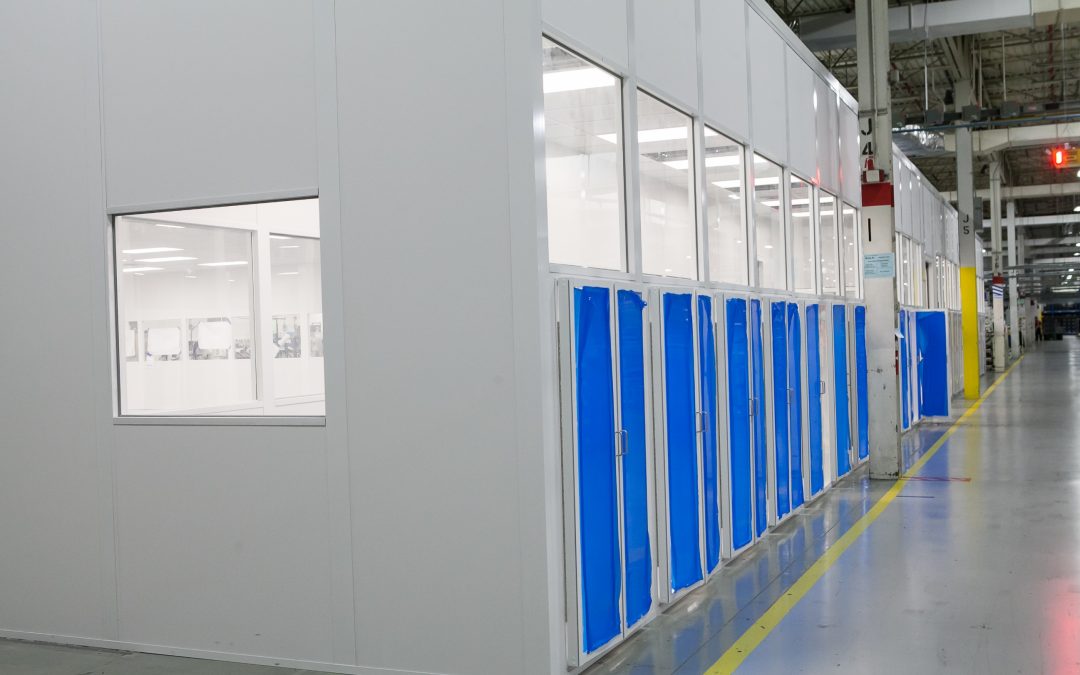
One of the absolute quickest and easiest ways to save money on a cleanroom design is to opt for a modular cleanroom over a traditional cleanroom. In most cases, this is a perfectly valid solution, as modular cleanrooms can perform to almost all of the highest cleanroom standards. Additionally, modular cleanrooms can be modified to accommodate business expansions. And most importantly, they’re cheaper and quicker to build than your traditional cleanroom. When you opt for a modular cleanroom, you can get the cleanroom you can afford now without barring yourself from expanding to the larger cleanroom you really want in the future. If budget is an issue, modular cleanrooms are the way to save.


Make it Smaller

Sure, you want a cleanroom that’s big enough to handle the processes you plan on implementing in the future, but can you get by with something smaller for the time being? In the case of modular cleanrooms, there’s a lot you can do to get by with a smaller cleanroom. For example, you can use an existing wall and build your modular cleanroom off of that, which will reduce building and material costs. Remember, you can always build off of that existing cleanroom, or move it to a larger space down the road.

Additionally, by choosing a cleanroom design with a lower ceiling, you’ll also save money when it comes to energy and material costs. The smaller your cleanroom is, the less money it will cost to run it, and the less energy you’ll need to keep it to your ISO standard. If you can get by with a cleanroom with a lower ceiling and a more conservative size, and you need a cleanroom right now, then it’s not a bad idea to start small and expand later on. It’s good to note, though, that if you plan on expanding, to make sure you tell your cleanroom expert. They’ll be able to walk you through the best way to construct a cleanroom that works for you now, but will be compatible with additional processes when you do expand in the future.


Consider LED lighting

Cleanroom lighting makes up a large portion of the money spent on maintaining a cleanroom. Cleanrooms often require super-bright lighting options. While these lights are great at keeping the room well lit for employees, they’re often responsible for adding a surprising amount of additional heat to a cleanroom. This forces your AC unit to work even harder, which results in a spike in overall energy costs.

Today, there are a variety of LED cleanroom lighting options on the market that solve this problem. You can choose from a standard panel style to a strip style LED light that adheres to directly to the ceiling grid, without interfering with your cleanrooms’ laminar flow. LED lights produce little to no additional heat, and have an exceptionally long life, ensuring that you don’t have to constantly replace light bulbs and keeping your cleanroom cool.


Use your existing AC unit

Another great way to save money is to design a cleanroom that will function on your building’s existing HVAC or heating and cooling unit. This is an efficient way to control the temperature of your cleanroom, so long as your building’s unit can handle the extra load that your new cleanroom will add. Consult with your building’s heating and cooling expert to ensure the unit can handle that much energy, and if it can, you’re in luck!

It is good to note that some cleanroom class standards do require a cleanroom have its own AC module, in case the central unit fails. In this case, or in the case that your central unit is already overworked, you’ll need to ensure your cleanroom is properly ventilated to the outside. Though it’s usually cheaper to ventilate a cleanroom into the larger building, this puts a lot of additional stress on both your cleanrooms AC unit and the HVAC unit in the building. Avoid this if possible, to keep both units working in top condition for their intended lifespan.


Pre-Filters

We get a lot of questions from clients wondering if pre-filters are an acceptable option to use in conjunction with heavy duty HEPA and ULPA filters. The answer is definitely yes! Pre-filters are put in front of the larger filters and can be up to 80% efficient at capturing larger dust particles before they reach the HEPA and ULPA filters. This keeps your larger, more important filters cleaner for longer. Pre-filters are relatively inexpensive and easily cleaned and reused. By using pre-filters in addition to your HEPA or ULPA filters, you extend those more expensive filters’ lifetime and save yourself quite a bit of money.


Pass-Thru Chambers

Pass-thru chambers are another sneaky way to save money on your cleanroom. They’re a lot smaller than an access door, and they allow employees to transfer supplies or materials without having to gown up. This saves both money and time: money because in using a pass-thru chamber instead of a full door, you eliminate the possibility of contamination from foot-traffic and maintain a stable pressure during the interaction; and time because your employees won’t have to properly gown up to enter the cleanroom via the access door. In installing a pass-thru chamber as part of your new cleanroom design, you’ll save money by lowering energy costs and increasing employee productivity.


We hope that this list helps you find a cleanroom that works both for your application and your budget. If you have more questions regarding a cleanroom design that works for you, make sure to give the experts at Angstrom a call! We’re always here to help answer any cleanroom questions you can throw at us, so get in touch with our office at 888-768-6900, or request a cleanroom quote online today!

Get Instant Access to Our Cleanroom Design Guide

The Most Comprehensive Guide for Cleanrooms and Modular Offices
Design-Guide-Thumbnail
Cleanroom Cleaning and Sterilization Tips

Cleanroom Cleaning and Sterilization Tips

Cleaning a cleanroom seems a bit counterproductive, doesn’t it? By name, a cleanroom is already supposed to be clean, so what would the point of actually sterilizing it be? Unfortunately, no cleanroom, regardless of its ISO standard, is 100% effective. By having people move about in the cleanroom, particles are bound to fall and contaminate your cleanroom from time to time. That’s why it’s important to ensure that you and your employees are regularly cleaning your cleanroom. If you’re new to cleanrooms, there are a few methods you can use, as well as a few precautions to keep in mind. We’ll start with standard cleanroom sterilization methods:

Sterilization

Dry Cleaning

For regular, routine cleaning, dry cleaning – or dry transfer – is the most common method of sterilization. This type of cleaning refers to the polishing or wiping of a surface with an absorbent or collective cloth. There are a variety of cleanroom-approved materials well-suited to this sort of sterilization, but the one you choose will depend on your cleanroom’s class. At the very least, you’ll want to ensure that whatever wipes you choose for routine dry transfer cleanings are lint-free. This will decrease the amount of lint and particles left behind from the dry transfer cleanroom sterilization. Dry transfer is commonly used on a daily basis to remove the minimal amount of particulate buildup that occurs in a short period of time.

Wet Cleaning

Wet cleaning, the process of cleaning with an approved solution or cleaning fluid, is necessary when a standard dry transfer cannot remove the particulate that’s accumulated over a period of time – generally once a week. There are a variety of cleaning solutions suited to removing cleanroom particulate, but the one you choose for your cleanroom will depend on the surfaces you’re cleaning as well as the class rating of your cleanroom. It’s important to note that you’ll want to choose a product that’s approved by the EPA and is suitable for use in a cleanroom. EPA-approved products are often safer for your employees, as they emit less toxic fumes.

Instating Your Cleaning Process

Before you begin assigning employees to sterilize your cleanroom, you’ll first need to take a few initial organizational steps:

Standard Operating Procedure

You’ll need a clear, outlined procedure for each type of cleanroom sterilization process you plan on implementing: daily, weekly, and monthly. This procedure will ensure that every employee knows exactly what they’re responsible for at each cleaning. Your SOPs should include proper dilution techniques for any cleaning solutions used and should give an outline of which order employees should clean surfaces and appliances.

Training Employees

After creating the necessary SOPs, it’s time to train the employees who will be responsible for sterilizing the cleanroom. It’s a good idea to have a few designated employees who will always handle the cleaning. This ensures that the process is completed consistently each time. Employees should know exactly what to do from the point of entering the cleanroom with sterilized cleaning products and equipment to discarding of any waste after the cleaning is complete. By training and regularly observing the employees responsible for sterilization, you’ll be better able to ensure that your cleanroom is always cleaned properly.

Additional Cleanroom Sterilization Tips

Clean From Top to Bottom

No matter what sterilization process you’re using, it’s important that employees always clean from top to bottom. In a thorough monthly cleaning, this means that employees should start with the ceiling, move to walls, and then tackle surfaces like tables and chairs, saving the floor for the absolute last. In cleaning the area from least contaminated sections to the dirtiest, you will ensure that minimal particulate is left behind.

Sticky Flooring

Many cleanrooms utilize sticky flooring to minimize the amount of particulate released into the cleanroom via shoes and dirt that collects on the floor. This is a great way to keep your cleanroom as sterile as possible, but it will require a different cleaning procedure. Ensure that your Standard Operating Procedure includes proper manufacturer instructions on the cleaning process for this sticky flooring.

Preparation of Cleaning Materials

It is paramount that employees follow proper preparation procedure for cleaning materials. In many cases, cleaning solutions must be diluted with water before they can be safely used on cleanroom surfaces. Improper dilution can result in 1) ineffective cleaning processes if there is too much dilution, and 2) the erosion and damage of cleanroom surfaces if solutions are not fully diluted. Most cleanroom sterilization products are caustic and require an adequate amount of dilution to ensure that they are removing only the particles that contaminate your cleanroom, and not corroding cleanroom surfaces. You’ll also want to double check that the cleaning materials you choose are suited to the surfaces within your cleanroom.

Beware of Fumes

Cleaning materials can cause a buildup of fumes, which contaminates your cleanroom and can be harmful to employees. To avoid fume buildup, ensure that fans and filter units are always left on during the cleanroom sterilization process.

Disinfect Cleaning Equipment

To protect from bringing in additional contaminants, it’s important to disinfect all cleaning equipment before it enters the cleanroom. This includes replacing old or disintegrating mop brushes and using new, uncontaminated cloths and wipes.

Follow Proper Gowning Procedure

In sterilizing the cleanroom, staff must follow standard gowning procedure. They should also treat cleaning as they would any other normal cleanroom operation. This means slow, controlled movements that limit the introduction or disturbance of contaminants.

With these basic sterilization tips, you can ensure that your cleanroom is always performing at its best by protecting your procedures, and reducing any possible contaminants in the area. Make sure you’re following a regular cleaning schedule, and keep your employees up to date if you ever make changes or adjust your cleaning SOPs. And if you have any other questions about sterilizing your cleanroom, give the experts at Angstrom a call. We’re always happy to help! Contact our office by phone at 888-768-6900, or request a quote online today.

Get Instant Access to Our Cleanroom Design Guide

The Most Comprehensive Guide for Cleanrooms and Modular Offices
Design-Guide-Thumbnail
Updating Your Cleanroom the Right Way

Updating Your Cleanroom the Right Way

Updating your cleanroom can be daunting. After all, there are so many factors that need to be considered when it comes to any change to the cleanroom environment. You have to consider the specification you need to meet, cost, durability, and maintenance requirements of additions or replacements. But investing in installing some smart cleanroom upgrades can really improve the cleanliness, ease of maintenance, efficiency, and ergonomics of your cleanroom space.

LED Lights

LED lighting is a no-brainer when it comes to upgrading your cleanroom. When compared with fluorescent lighting it’s easy to see why: LED lights are very efficient, emit little heat, and require little maintenance, whereas fluorescent lights are fragile and need replacing often. LEDs have the longest lifespan of any commercially available light source, which makes them worth investing in.

LED lighting also beats fluorescent lighting in system efficiency (greater than 50 lumens/watt for LEDs, less than 30 lumens/watt for fluorescents). This is because fluorescent lighting is omnidirectional, emitting light for 360°. Fixture housings are required to redirect fluorescent light to the desired area. LEDs emit light for only 180°, which makes it easy to target light over the desired area–more light actually reaches it.

Panel Repair

If your cleanroom wall panels are damaged, it can be costly to replace them. If the damage isn’t too extensive, it’s possible that panels can be repaired instead of replaced. Repairing damaged panels will improve the aesthetic of your space, but most importantly, it will help maintain the integrity of the cleanroom. Damaged panels could give off particulate matter or allow contaminants to breach the cleanroom.

Vinyl Walls and Ceilings

Vinyl is a smart upgrade for two reasons: cleaning and surface resistance. Vinyl is easy to clean and allows complete removal of particles, in addition to its low particulate emission. Vinyl can also have dissipative or conductive levels of static resistance, making it ESD safe, if that’s something your cleanroom requires.

New Flooring

Due to a variety of factors (gravity, for example), floors are often the dirtiest part of a cleanroom. Just like walls and ceilings, vinyl is also a good flooring choice for the same reasons: chemical resistance, static dissipative or conductive resistance, low particulate emission, and easy cleaning. There are also a variety of other flooring types such as rubber, epoxy coating, urethane, etc., with different characteristics to meet specific purposes. Cleanrooms with heavy vehicle and wear traffic may benefit from ultra-durable rubber flooring, whereas cleanrooms with the need for chemical and stain resistance might require urethane.

There are many ways to spend money while updating your cleanroom, but smart upgrades can help you make the most of your renovations, and your cleanroom. If you’re looking to upgrade your modular cleanroom, be sure to call Angstrom Technology at 888-768-6900 or request a quote online today!