Why Positive Pressure Cascades are Essential in GMP Pharmaceutical Cleanrooms

Why Positive Pressure Cascades are Essential in GMP Pharmaceutical Cleanrooms

In pharmaceutical manufacturing, contamination control is a non-negotiable priority. Cleanroom environments must be designed to meet the strict standards of Good Manufacturing Practice (GMP)—protecting not only the products but the patients who rely on them. One of the most effective tools in achieving this level of control is the implementation of a positive pressure cascade strategy.

At Angstrom Life Sciences, we design cleanroom systems that leverage proven airflow strategies—like positive pressure cascades—to maintain compliant, contamination-free environments. Here’s what this strategy involves and why it’s vital for GMP-regulated pharmaceutical facilities.

What Is a Positive Pressure Cascade?

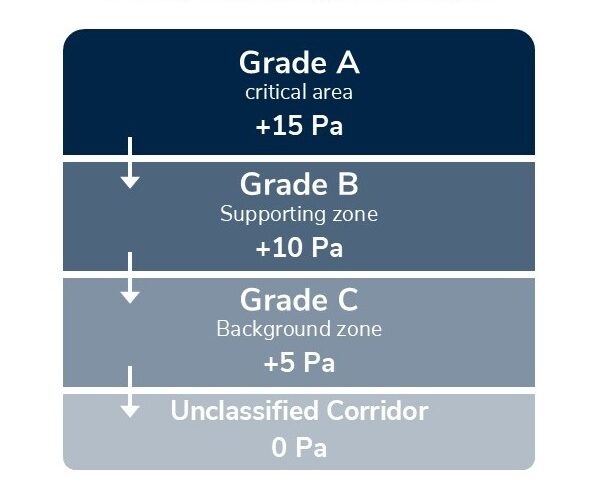
A positive pressure cascade is a cleanroom airflow strategy that maintains higher air pressure in cleaner, more critical areas and progressively lower pressure in less critical adjacent spaces. The goal is to create a directional flow of clean, filtered air outward—from the most critical zones (often the aseptic core) to less critical environments.

Example of pressure differential hierarchy:

postitive pressure cascade graph

This creates a pressure “cascade” that prevents contaminated air from entering high-grade spaces. When a door opens, air naturally flows outward—pushing contaminants away, rather than drawing them in.

3 Reasons Positive Pressure Cascade Is Crucial in Cleanroom Design

Contamination in a cleanroom can originate from many sources—personnel, materials, or the surrounding environment. Airborne particles and microbes are especially difficult to control without a pressure strategy and the controlled airflow it creates.

Positive pressure helps to:

  1. Maintain Sterility in Aseptic Areas – Positive pressure ensures aseptic environments like fill-finish suites and Grade A zones remain uncompromised during operations and material/personnel transfers.
  2. Prevent Contamination Ingress – By maintaining higher pressure in critical areas, air flows outward into less clean zones—keeping dust, microbes, and particles from entering sterile spaces.
  3. Support GMP Regulatory Compliance – EU GMP Annex 1 and FDA 21 CFR Part 210/211 specifically emphasize pressure differentials as part of contamination control. Proper cascade design demonstrates adherence to these guidelines.

This airflow strategy is especially critical in aseptic processing areas such as fill-finish biologics and pharmaceutical manufacturing environments.

How It’s Implemented

Implementing a positive pressure cascade system requires careful planning and integration of advanced cleanroom HVAC technologies. Our engineering teams at LSS ensure every cleanroom is designed with:

  • HEPA filtration systems to ensure an adequate supply of clean air
  • Precision-controlled HVAC systems to supply a precise amount of air to achieve the desired room pressurization
  • Airlocks and pass-through chambers to control airflow and allow for personnel and material movement within the cleanroom
  • Pressure monitoring and alarm systems to monitor and detect deviations in real time

These systems work together to create a stable, compliant environment that protects product quality at every stage of manufacturing.

GMP Compliance: Meeting Regulatory Expectations

GMP guidelines, such as EU GMP Annex 1 and FDA CFR 21 Part 210/211, require effective contamination control through environmental management. Pressure differentials are often reviewed during audits and inspections, with non-compliance leading to major findings.

A properly designed and maintained positive pressure cascade system:

  • Minimizes contamination risk
  • Demonstrates GMP compliance
  • Supports aseptic processing standards
  • Reduces audit findings and operational risks

Our cleanroom designs not only meet regulatory expectations—they’re built to exceed them.

A Core Strategy for Pharmaceutical Manufacturing

The positive pressure cascade is not just a design detail—it’s a critical GMP strategy that safeguards cleanroom integrity. Whether you’re producing injectable drugs, high-purity APIs, or sterile packaging, your cleanroom must be equipped to defend against contamination.

At Angstrom Life Sciences, we specialize in GMP-compliant cleanroom design and engineering. From airflow modeling to turnkey HVAC integration, our team ensures your facility is prepared for regulatory scrutiny and built for performance.

Ready to evaluate your pressure cascade strategy or upgrade your cleanroom?

Contact us to speak with a cleanroom expert.

Unpacking cGMP: The Backbone of Life Sciences Manufacturing

Unpacking cGMP: The Backbone of Life Sciences Manufacturing

In life sciences, the term “cGMP” signifies more than just compliance – it’s the ongoing commitment to excellence and safety in biotechnology, medical device production, genetic research, and more. 

cGMP stands for “current Good Manufacturing Practices,” where the “current” emphasizes an ongoing obligation to incorporate the latest standards and technological advancements into operations.

Cleanrooms are essential tools for the life sciences industry, and adhering to these standards is critical. 

Why cGMP Matters in Life Sciences

Following cGMP standards in life sciences is a fundamental requirement to ensure that all products are produced and controlled according to quality standards and to protect consumers. cGMP regulations are crucial for:

  • Ensuring Medication Safety and Efficacy | From the correct dosages to contamination prevention, cGMP guidelines help avoid life-threatening errors in medication production.
  • Advancing Biotechnological Innovations | The guidelines assure that products like gene therapies and biological agents meet stringent safety tests before reaching patients.
  • Safeguarding Medical Devices | cGMP standards govern the tools used in life-saving operations and the manufacturing processes that ensure these tools are defect-free and reliable.

The Core Principles of cGMP Standards

Understanding the principles of cGMP is essential for anyone involved in creating or managing life sciences products. The regulations and standards constantly evolve to ensure high standards and maintain consumer safety, and even as the laws change, they always adhere to a core set of principles:

  • Expertly Trained Personnel | All employees must be trained and qualified to perform their duties effectively. Ongoing training must also be implemented to update staff on the latest cGMP standards and procedures.
  • Stringent Quality Control | cGMP regulations require that facilities are designed to prevent cross-contamination and errors. This involves sophisticated systems for air quality, material flow, and personnel movement that minimize the risk of any breaches in sanitation or procedure.
  • Thorough Documentation and Record-Keeping | Accurate and detailed documentation is required for cGMP compliance. Records of every stage of the manufacturing process must be meticulously maintained to ensure traceability, accountability, and transparency. This includes sourcing raw materials to final product release.

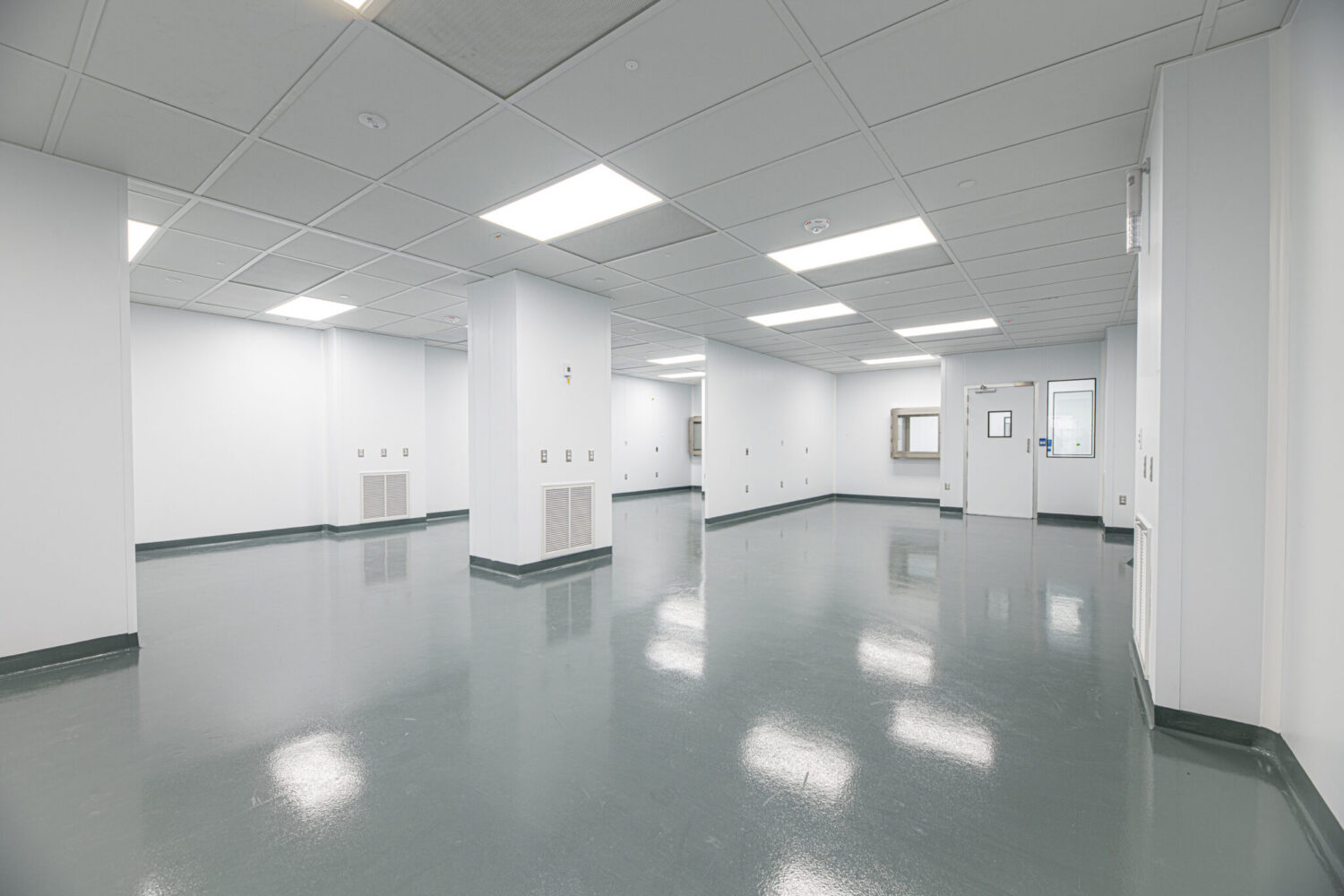
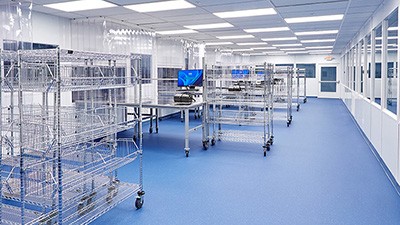
life science cleanroom

The Evolving Nature of cGMP Compliance

cGMP represents the currently accepted minimum standards, but the cGMP landscape is dynamic and influenced by technological advancements and regulatory updates. Engaging with cGMP means staying ahead of industry standards and being prepared to implement changes swiftly to maintain compliance and product integrity. 

Therefore, companies should always go beyond these guidelines to assure high-quality products and consumers peace of mind. 

Aligning with Global Standards

It’s important to note that cGMP standards are not isolated within any country’s borders. They reflect a global consensus on best practices. 

For instance, the U.S. FDA and European EMA share many commonalities in their cGMP standards, ensuring that products can move across borders without compromising safety.

The Consequences of Non-Compliance

Failing to comply with cGMP can have serious consequences for companies, ranging from financial losses to severe reputational damage. Some of the most detrimental consequences of failing to adhere to cGMP standards include:

  • Product Recalls | Product recalls are one of the most immediate consequences of cGMP non-compliance. If a product is found to be defective or dangerous, regulatory agencies like the FDA may require it to be recalled from the market, resulting in financial losses and disrupted supply chains.
  • Legal Penalties |  Companies that fail to meet cGMP standards can face legal penalties, including hefty fines and sanctions. In severe cases, legal action could lead to criminal charges.
  • Loss of Consumer Trust | Non-compliance can affect consumer confidence in a company and its products. Substandard manufacturing practices may lead to declining sales, difficulty attracting new customers, and long-term damage to the brand.
  • Suspension or Revocation of Licenses | A company’s operating license can be suspended or revoked if it fails to comply with cGMP. This could result in a temporary or permanent shutdown of the manufacturing operations.
  • Harm to Consumers | The most severe consequence of cGMP non-compliance is the potential harm to consumers. Defective or unsafe products can cause illness, injury, or even death.

Trust Angstrom for Industry-Leading Cleanroom Solutions

At Angstrom Life Sciences, we understand the complexities and stringent requirements imposed by regulatory standards. Our expertise in designing and implementing custom cleanrooms meets and exceeds these rigorous standards, ensuring that your life sciences manufacturing processes are compliant and set up for success. Contact us today to learn how our tailored cleanroom solutions can support your cleanroom compliance and enhance your manufacturing efficacy.

Cleaning Cleanrooms: How Often to Clean Your cGMP-Compliant Cleanroom

Cleaning Cleanrooms: How Often to Clean Your cGMP-Compliant Cleanroom

After investing in a top-of-the-line cleanroom, keeping it in pristine condition is crucial, especially when adhering to cGMP compliance. When properly cared for, a cGMP-compliant cleanroom will function at peak performance, ensuring that all processes meet strict regulatory standards. However, failure to adhere to cGMP cleaning standards can lead to contamination, jeopardizing product quality and resulting in costly regulatory issues that can disrupt daily operations.

Here’s a rundown of the best cleaning cleanroom procedures and practices for your cGMP-compliant cleanroom.

What Are cGMP Requirements for Cleanroom Cleaning?

cGMP, or Current Good Manufacturing Practices, are regulations enforced by the FDA to ensure that products are consistently produced and controlled according to quality standards. These regulations are particularly crucial in pharmaceuticals, biotechnology, and medical device manufacturing, where product safety and efficacy are paramount.

Classifications of cGMP Cleanrooms

cGMP cleanrooms are classified based on their ISO standards, which define the cleanliness level required for different types of manufacturing environments. The most common classifications include:

ISO 5 (Class 100) | These cleanrooms have the strictest cleanliness requirements, allowing only 3,520 particles (0.5 microns or larger) per cubic foot of air. They are often used in critical processes such as aseptic filling and sterile drug manufacturing.

ISO 6 (Class 1,000) | Allows for 35,200 particles per cubic foot and is typically used in processes like vial filling or assembly of sterile devices.

ISO 7 (Class 10,000) | Permits 352,000 particles per cubic foot and is commonly found in less critical manufacturing processes, such as packaging or certain laboratory environments.

The classification of your cleanroom dictates the stringency of the cleaning protocols. For example, an ISO 5 cleanroom requires more frequent and thorough cleaning than an ISO 7 cleanroom due to the higher sensitivity to particulate contamination.

6 Effective Cleaning Strategies For a cGMP-Compliant Cleanroom

1. Follow Industry-Specific Standards

Cleanrooms vary widely in use, and cGMP cleanrooms have unique requirements and standards they must adhere to depending on the industry. For example, cGMP cleanrooms in pharmaceuticals must adhere to extremely stringent standards to prevent contamination that could compromise the safety and efficacy of drugs. Depending on your industry, your cGMP cleanroom will have a specific layout, ISO rating, and cleanliness standard. Therefore, its cleaning schedule and procedure will also differ.

Cleanrooms with higher ISO ratings, like ISO 5, for example, must be kept at much higher sanitation levels to reduce the chance of interference from minute particles and contaminants.

Cleanrooms with lower class ratings, such as ISO 7, may be less threatened by certain contaminants or smaller particle sizes, but they still require regular cleaning to maintain standards and efficiency.

2. Follow Contamination Prevention Protocols

In a perfect world, zero contaminants would enter your cleanroom environment. While this is virtually impossible, the best way to keep your cleanroom cGMP-compliant is to follow strict contamination prevention protocols designed to meet cGMP requirements. These protocols include:

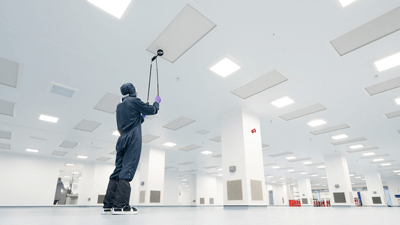
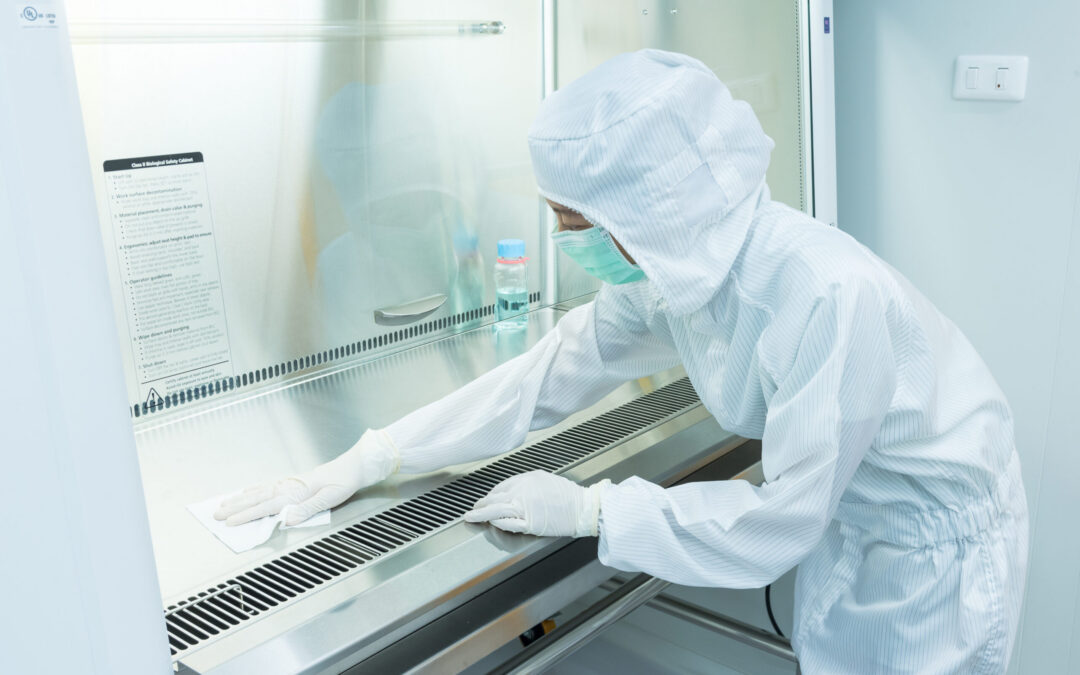
Proper Gowning Procedures | All personnel must adhere to cGMP-compliant gowning protocols. This includes wearing sterile, non-powdered gloves, sterile gowns, masks, and other protective gear.

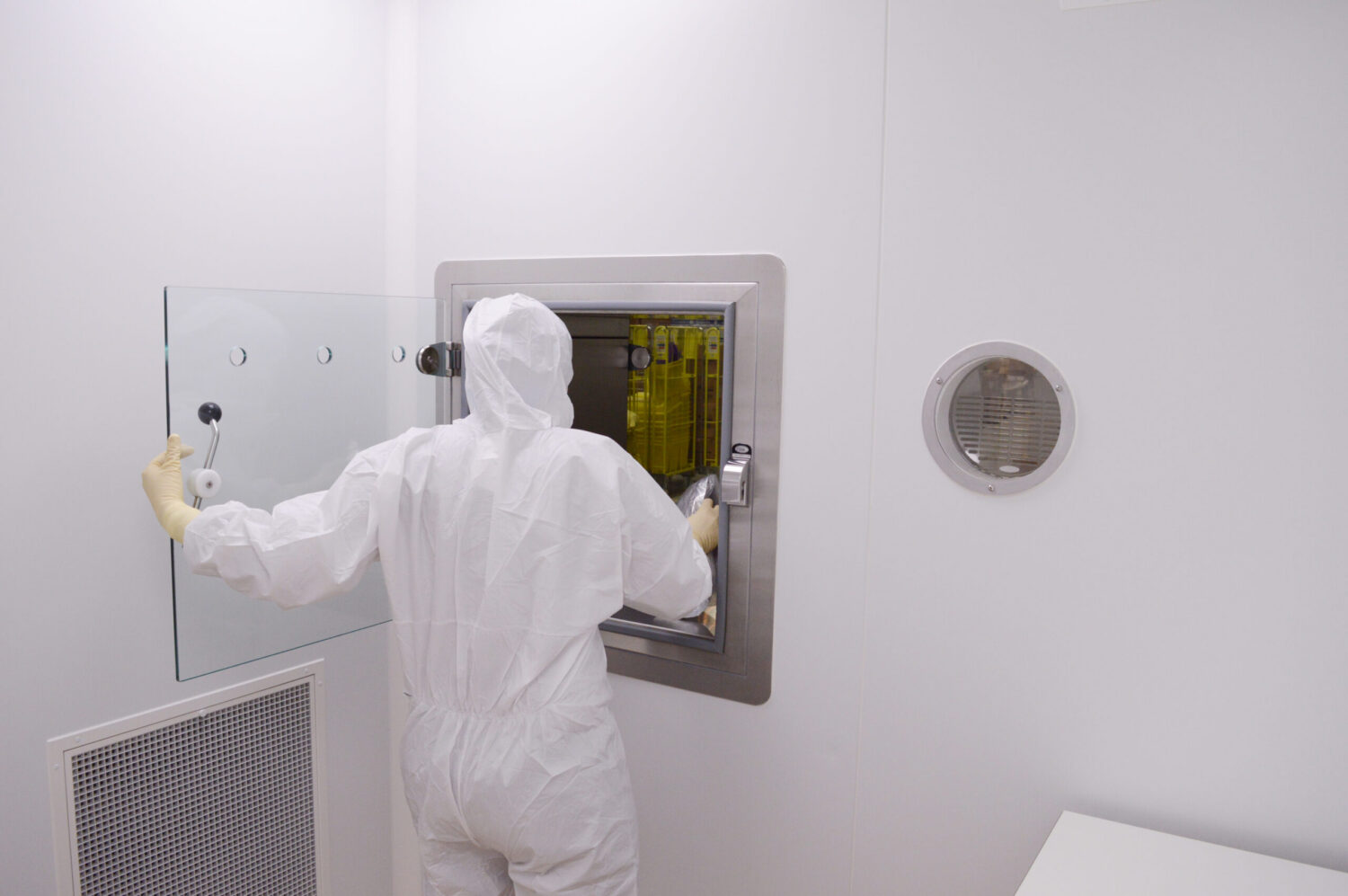
ppe clad person in cleanroom

Sterilization and Equipment Usage | All tools and equipment used in a cGMP cleanroom must be sterilized according to cGMP standards, including ensuring that all cleaning tools, garments, and materials are appropriately sanitized before use to prevent contamination.

Strict Entry Procedures | Entry protocols may involve multiple stages of decontamination, such as air showers, sticky mats, and separate gowning areas, ensuring that personnel and materials are free of contaminants before entering.

Importance of Training Staff in cGMP Practices | To minimize risks, staff members should be trained in cGMP contamination prevention practices.

3. Establish Regular Cleanroom Cleaning Procedures

Keeping your workspace clean requires diligent adherence to daily and weekly cleaning schedules. Depending on the strictness of your class standard, the level of activity within the cleanroom, the type of products being manufactured, the number of personnel, and the results of environmental monitoring, you may need to add more rigorous objectives or increase the frequency of these tasks.

Whatever your facility requires, it’s essential to create and follow a cleaning schedule that clearly defines all assignments, making them easy to understand and follow. Here are the general cleaning protocols recommended for broad cleanroom needs:

Daily Cleanroom Cleaning:

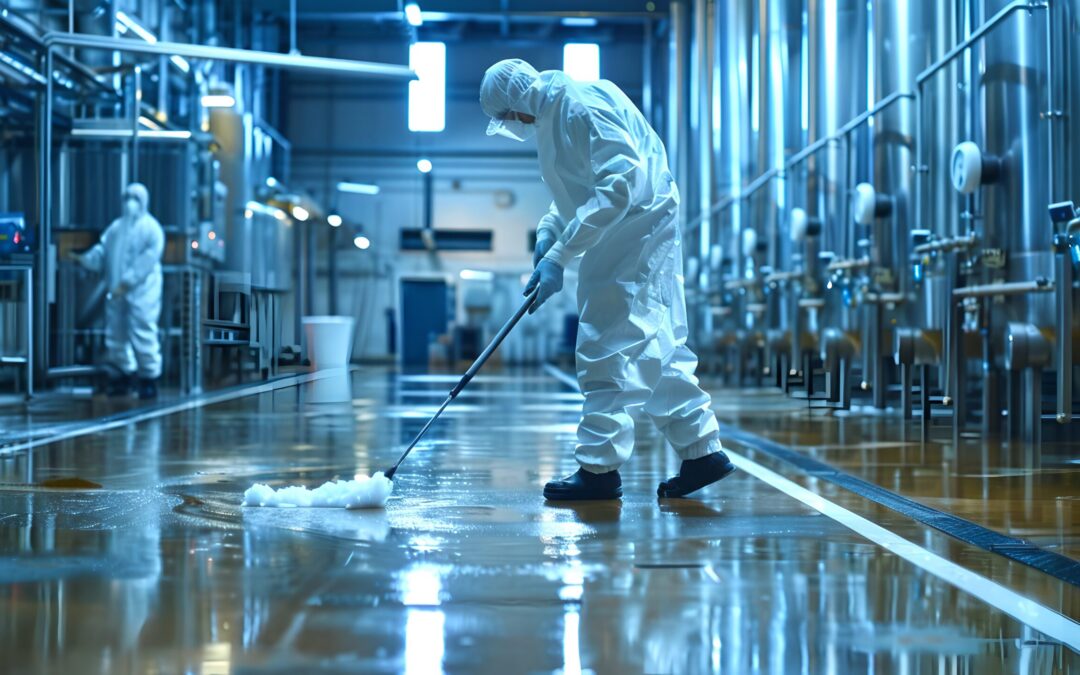
  • Before a shift begins, use a damp mop on floors and vacuum to dry.
  • Vacuum all walls using a HEPA filter vacuum.
  • Wash and wipe all windows and pass-throughs dry.
  • Wipe down all work areas at the end of every shift. This should occur more frequently in cleanrooms with higher standards.
  •  
  • Put away products and supplies between shifts to prevent further contamination.

Weekly Cleanroom Cleaning:

  • Mop floors with a cleanroom-specific detergent, distilled water, and a HEPA filter vacuum.
  • Wipe walls with a damp sponge and distilled water, then vacuum dry.

As Needed:

  • Remove any residue or deposits on ceilings by washing with detergent and distilled water.
  • Using a damp sponge, wipe off all light lenses.
  • Change sticky mats as soon as you notice wear.

Note: This FDA webpage (Current Good Manufacturing Practice (CGMP) Regulations | FDA) provides a detailed look at cGMP standards and regulations. 

4. Use cGMP-Approved Products Approved for Cleaning Cleanrooms

Cleaning products that are improperly sterilized or unsuitable for cleanroom use can cause contamination, particularly in cGMP cleanrooms where maintaining strict standards is critical.

Using only cleaning products that are cGMP-approved, non-reactive, and specifically designed for cleanroom environments is essential. This includes using deionized and distilled water for mopping and wiping surfaces and cleanroom-specified cleaning agents that meet cGMP standards. All chemicals and solvents for cleaning must be neutral, non-ionic, and non-foaming to avoid buildup on surfaces over time, which could compromise the cleanliness of the environment.

Cleanroom Cleaning Tips:

  • High ISO class cleanrooms (ISO levels 5-7) often require sterilizing disinfectants before use, further protecting the cleanroom from contaminants.
  • Never use scrubs or rags that could shed or corrode surfaces. Instead, only use woven polyester specified for cleanroom use.
  • Follow a mopping protocol that efficiently cleans floors without spreading dirty water over cleaned areas. Employ a mopping system that separates dirty and clean water and won’t scratch or contaminate the floor or walls.
  • Bringing all needed materials—such as brooms, mops, and cleaning agents—into the cleanroom before cleaning is good practice. This way, once the process is complete, you only need to exit once, reducing the possibility of contamination.

Note: For a detailed list of cGMP-approved products for cleaning cleanrooms, visit the FDA website here (FDA-Cleared Sterilants and High Level Disinfectants with General Claims for Processing Reusable Medical and Dental Devices | FDA). 

5. Properly Train Staff on cGMP Cleaning Procedures & Maintenance 

All staff members and janitorial personnel must be rigorously trained in cGMP cleaning protocols to ensure compliance and maintain the cleanroom’s class standards. This includes comprehensive education on gowning procedures, environmental sterilization practices, general equipment maintenance, and more.

Staff should be equipped to handle spills or other incidents that could lead to contamination. Tools and cleaning supplies should be easily accessible but not stored in a way that could lead to cross-contamination. To support this, having guides and cleaning checklists posted visibly in the room can help staff consistently follow cGMP protocols and maintain a sanitary environment

6. Conduct Regular Inspections and Monitoring for cGMP Compliance

Even if you’re doing everything right and following the proper cleanroom procedures, it’s crucial to conduct regular inspections and environmental monitoring to ensure ongoing cGMP compliance. Regular checkups help verify that your cleanroom consistently meets cGMP standards, preventing potential lapses that could lead to contamination or non-compliance.

Cleanroom Inspection & Monitoring Tips:

Air samplers or settle plates can be used to test for organisms and measure particles per cubic foot, ensuring that the cleanroom environment remains within the required cleanliness levels.

Regular checkups of your HVAC system play a vital role in maintaining a cGMP-compliant cleanroom. The HVAC system controls temperature, humidity, and air filtration, all of which are critical factors in ensuring the cleanroom environment remains stable and free from contaminants. A properly functioning HVAC system will maintain a steady temperature and humidity level, consistently changing air to meet your ISO specifications, which is essential for preserving the cleanliness and integrity of the cleanroom.

Utilize cleanroom experts to inspect, monitor, and repair your cleanroom. At Angstrom Life Sciences we provide tailored maintenance and repair services to ensure your cleanroom remains cGMP-compliant. When the unexpected occurs, our team is ready to assist wherever needed.

Introducing Life Science Solutions: Cleanroom Expertise for Life Sciences

Introducing Life Science Solutions: Cleanroom Expertise for Life Sciences

FOR IMMEDIATE RELEASE
June 24, 2025


Angstrom Technology Establishes Angstrom Life Science Solutions as Separate Business Unit, Focusing on Needs of Life Science Clients

[Grand Rapids, MI] — Angstrom Technology, a global leader in cleanroom design, construction, and maintenance, today announced the strategic rebranding of its specialized Life Sciences division. The division will now operate as a separate business unit under the name Angstrom Life Science Solutions.

This move allows Angstrom Life Science Solutions to operate as a distinct entity, enabling greater focus on serving the unique and evolving needs of the pharmaceutical, biotechnology, and advanced life science manufacturing sectors. While functioning independently, the unit will continue to leverage the extensive experience and global resources of Angstrom Technology.

Although the name is new, the team remains the same. Angstrom Life Science Solutions will retain its core team of experts, maintain its established competencies, and uphold the commitment to quality, regulatory compliance, and customer success that clients have come to expect. The rebranding more clearly communicates the unit’s mission: to leverage Angstrom’s cleanroom expertise in supporting the delivery of life-saving products through world-class life science facilities.

“The rebranding to Angstrom Life Science Solutions is more than just a name change; it reflects our commitment to adding value to our clients’ projects utilizing our extensive cleanroom expertise,” said Royce Tourtillott, President. “The life science industry requires more than just materials and labor – it requires thoughtful solutions from partners who can advise clients on current cleanroom best practices. Our new name better reflects this commitment.”

“We are thrilled to take this next step in strengthening Angstrom’s position as a global leader in the cleanroom space,” said Wes Reynolds, Global CEO of Angstrom Technology. “We are dedicated to the success of our customers and partners around the world. Royce is a talented leader and recognized expert in the life sciences, and I’m thrilled for him to have this opportunity to build something extraordinary.”

Angstrom Life Science Solutions will continue to draw upon Angstrom Technology’s global resources and decades of cleanroom experience while providing specialized expertise tailored to the life science industry’s unique regulatory landscape—including FDA, EU, and Health Canada requirements.

Clients and partners can expect the same high level of service and expertise. Further information about Angstrom Life Science Solutions and its comprehensive offerings can be found on the division’s new website: angstromlss.com.


About Angstrom Technology

Angstrom Technology is a global leader in cleanroom design, construction, and innovation, delivering custom cleanroom solutions for a wide range of industries including life sciences, pharmaceuticals, microelectronics, and more. Headquartered in Grand Rapids, Michigan, Angstrom operates as part of a global platform of cleanroom companies which includes Angstrom Life Science Solutions, Connect 2 Cleanrooms, and Angstrom Technology Ltd. Together, these organizations form a comprehensive network offering modular, turnkey, and custom-engineered cleanroom environments across North America, Europe, and beyond.

With a focus on excellence, innovation, and customer satisfaction, Angstrom Technology and its companies are committed to delivering high-performance cleanroom solutions that meet the most stringent industry standards and support the success of clients worldwide.

About Angstrom Life Science Solutions

Angstrom Life Science Solutions is a leading cleanroom contractor specializing in the design, construction, and certification of regulated environments in the life sciences industry. With a reputation as Cleanroom Experts, we help our clients meet stringent business and regulatory requirements while optimizing performance and reliability of the systems we provide.


Media Contact:
Maria Valgenti
610-340-8769
[email protected]

Discover the Importance of Cleanrooms in Life Sciences

Discover the Importance of Cleanrooms in Life Sciences

Stay in the loop with Angstrom Life Sciences!

Angstrom Life Sciences Division offers complete optionality, providing our clients with the widest array of systems and products to tailor their spaces precisely to their needs. We made a deliberate choice not to produce our own panels to maintain objectivity, allowing us to present a truly cooperative and seamlessly integrated project approach.

As a national and global company, we possess the capability to provide design-assist, installation, and commissioning and validation services. We work closely with clients, architects, engineers, construction managers, general contractors, and more, ensuring that projects are executed safely with top-notch quality and fully compliant with requirements.

Angstrom Technology boasts in-house technical experts in compliance, ISO levels, cGMP and GMP, cell and gene, CDMO, dry rooms, and environmentally-controlled rooms. This ensures you have access to the full spectrum of choices available in the market.

paper-stacked

SEAMLESS CLEANROOMS

Seamless cleanrooms achieve a flush finish cleanroom system. With a range of features, such as raceway trunking to supply services, flush glazing, doors, and wall and ceiling panels, we offer custom solutions for various high-performance cGMP and ISO cleanroom applications. 

paper-stacked

HARDWALL CLEANROOMS

For research activity that is not covered by cGMP, hardwall cleanrooms give a high level of control over static, pressure, contamination, and humidity. Designed to comply with strict ISO standards.

LIFE SCIENCES CLEANROOM DESIGN

Angstrom Technology also offers pharmaceutical cleanroom designs with multi-stage air filtration systems that make use of prefilters and HEPA filters, a variety of lighting options from standard to flow through modules, and laminar air flow systems that can be integrated with existing HVAC.
light-bulb

LIGHTING

stacks-paper

HVAC

filter-arrows

AIR FILTRATION

Featured Project

Pharma Cleanroom: From Start to Finish

This Angstrom Technology customer works in the pharmaceutical industry and is based in West Michigan. Learn more about this spacious, 32,000 square foot cleanroom project completed in four months’ time!
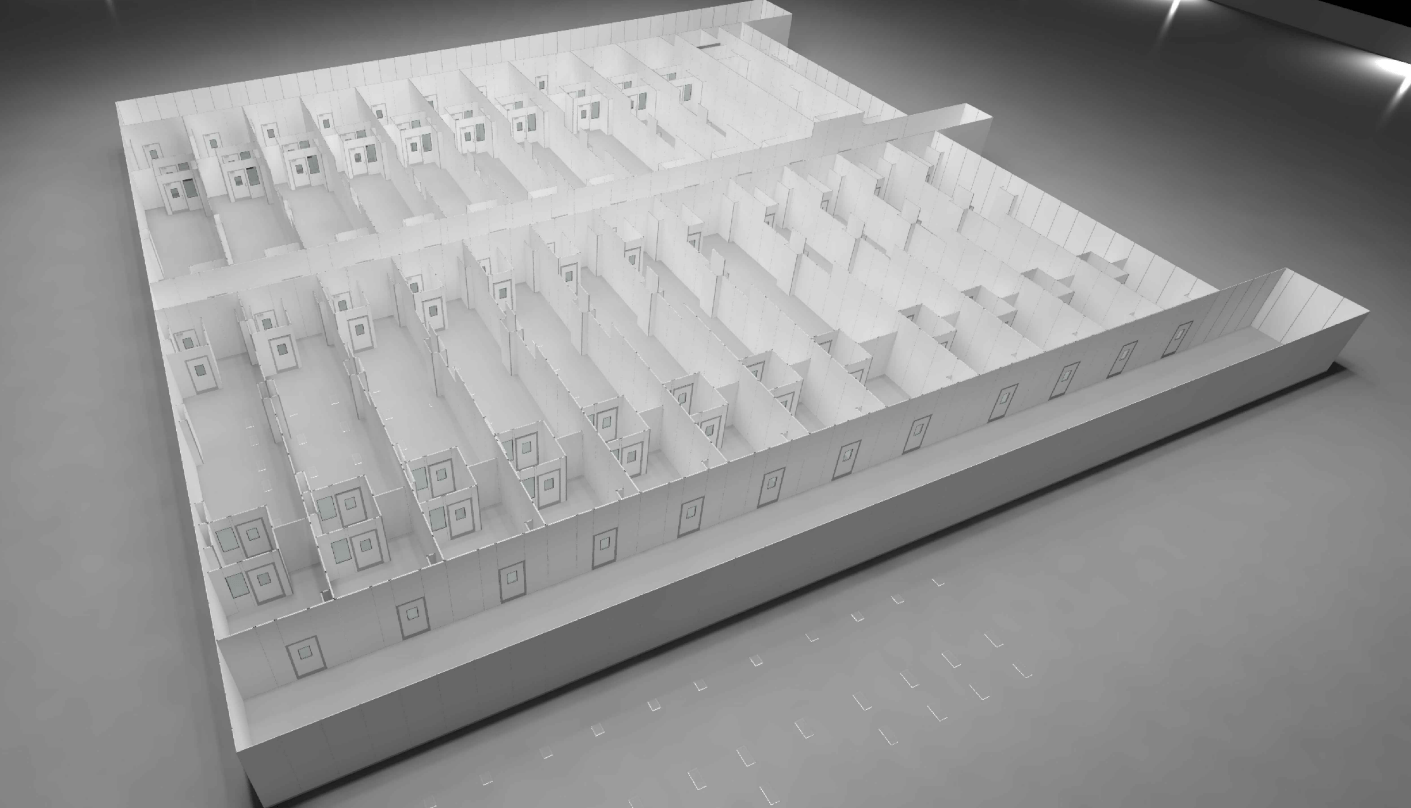
Azzur Morrisville cleanroom render

WANT MORE INFORMATION ON LIFE SCIENCES CLEANROOMS?

Our Life Sciences Cleanroom in Action

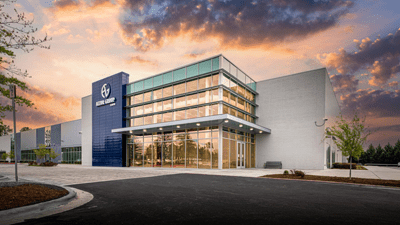
Azzur Cleanrooms on Demand™ facility in Morrisville, NC

CLINICAL MANUFACTURING

CLEANROOM

OEM Packaging Cleanroom

OEM PACKAGING

CLEANROOM

cleanroom-yellow-rail-dark

PHARMACEUTICAL

PACKAGING COMPANY

Biopharma cleanroom validation

BIOPHARMA

CLEANROOM

medical-packaging-cleanroom-project-7

PHARMACEUTICAL

CLEANROOM

radiopharmaceuticals-cleanroom-1

ADVANCED

RADIOPHARMACEUTICALS

biopharmaceutical-research-cleanroom-2

BIOPHARMACEUTICAL

RESEARCH & DEVELOPMENT

CLEANROOM