
|
Quick Answer: What Is Cleanroom Gowning and Why Is It Important? Cleanroom gowning is the process of wearing specialized garments and following strict procedures to minimize particle contamination from personnel. Because humans are the largest source of contamination in cleanrooms, proper gowning is critical for maintaining ISO classifications, protecting product quality, and ensuring regulatory compliance. |
Why Cleanroom Gowning Matters More Than Ever
If you’re planning, designing, or managing a cleanroom, there’s one reality you need to account for:
People are the #1 source of contamination.
Even when standing still, a person can shed thousands of particles per minute. Movement, improper attire, or inconsistent gowning procedures can quickly compromise your cleanroom environment.
That’s why cleanroom gowning isn’t just a protocol. It’s a critical control system that directly impacts:
- Product quality and yield
- ISO classification performance
- Regulatory compliance (including cGMP environments)
- Long-term operational efficiency
How Cleanroom Gowning Impacts ISO Classification and Compliance
Cleanroom gowning plays a direct role in maintaining ISO classification by controlling one of the largest sources of contamination: people.
ISO standards (such as ISO 14644) define strict limits for airborne particle concentrations. Improper gowning can introduce particles that exceed these limits, putting your cleanroom at risk of non-compliance.
Even small inconsistencies—like incorrect gowning order, exposed skin, or improper garment handling—can:
- Increase particle counts beyond allowable thresholds
- Disrupt pressure cascades and airflow performance
- Compromise environmental monitoring results
- Lead to failed audits or regulatory findings
How Gowning Requirements Vary by Cleanroom Classification
Not all cleanrooms require the same level of gowning.
Your gowning protocol should align with your ISO classification and application:
| Cleanroom Level | Typical Gowning Requirements |
| ISO 8 | Lab coats, hairnets, and gloves |
| ISO 7 | Coveralls, gloves, and shoe covers |
| ISO 6–5 | Full bunny suits, hoods, masks, and goggles |
Key takeaway:
The cleaner the environment, the more comprehensive the gowning system must be.
Best Practices for Cleanroom Gowning Procedures
Cleanroom gowning best practices focus on minimizing human-generated contamination through consistent procedures, controlled environments, and proper employee behavior.
1. Start Cleanroom Contamination Control Before the Gowning Room
Contamination control begins before employees enter the gowning room by limiting particle-generating products and materials.
Employees should avoid:
- Makeup, perfumes, and hairspray
- Jewelry and loose accessories
- Any materials that shed particles or fumes
This reduces contamination at the source.
2. Control Footwear and Entry Points
Footwear is one of the most common sources of cleanroom contamination and must be controlled before entering the gowning area.
Best practices include:
- Dedicated cleanroom shoes
- Shoe-changing stations before gowning
- Sticky mats or entry controls
This prevents dirt and debris from ever reaching the cleanroom.
3. Follow a Strict Top-to-Bottom Gowning Order
Cleanroom gowning must follow a top-to-bottom sequence to prevent particles from contaminating already-gowned surfaces.
Standard order:
- Hood or hair cover
- Face mask/goggles
- Coverall or gown
- Gloves
- Shoe covers/booties
This ensures particles don’t fall onto already-gowned surfaces.
4. Minimize Contact and Handling
Improper handling of garments during gowning is a leading cause of contamination in cleanrooms.
Train employees to:
- Avoid touching the outside of garments
- Keep garments off the floor
- Wash and dry your hands thoroughly before gloving
- Use no-touch systems where possible
5. Minimize Movement in Gowning and Cleanroom Areas
Excessive movement increases particle generation, even when employees are properly gowned.
Cleanroom environments should prioritize:
- Efficient movement paths
- Reduced unnecessary motion
- Organized layouts that limit cross-traffic
6. Reinforce No Food or Foreign Materials Policies
Food, drink, and foreign materials introduce contamination risks and must be strictly prohibited in cleanroom environments.
Ensure:
- No food, gum, or drinks are allowed
- Clear signage is posted at entry points
- Policies are consistently enforced
Cleanroom Gowning Checklist (Step-by-Step)Before entering:
In the gowning room:
Before entering the cleanroom:
|
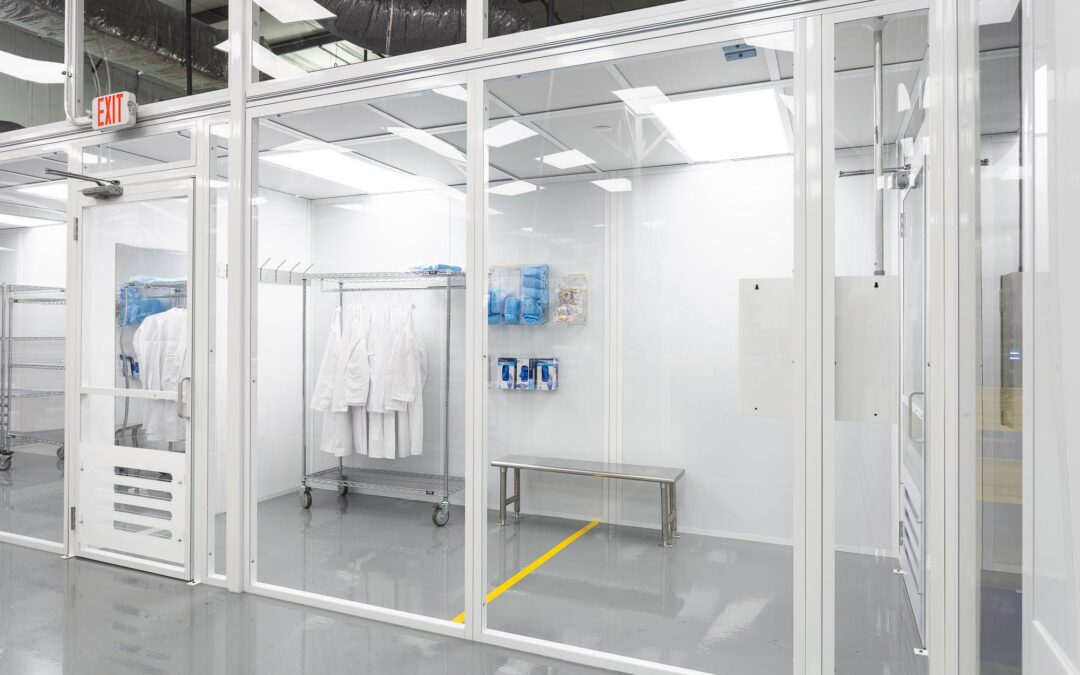
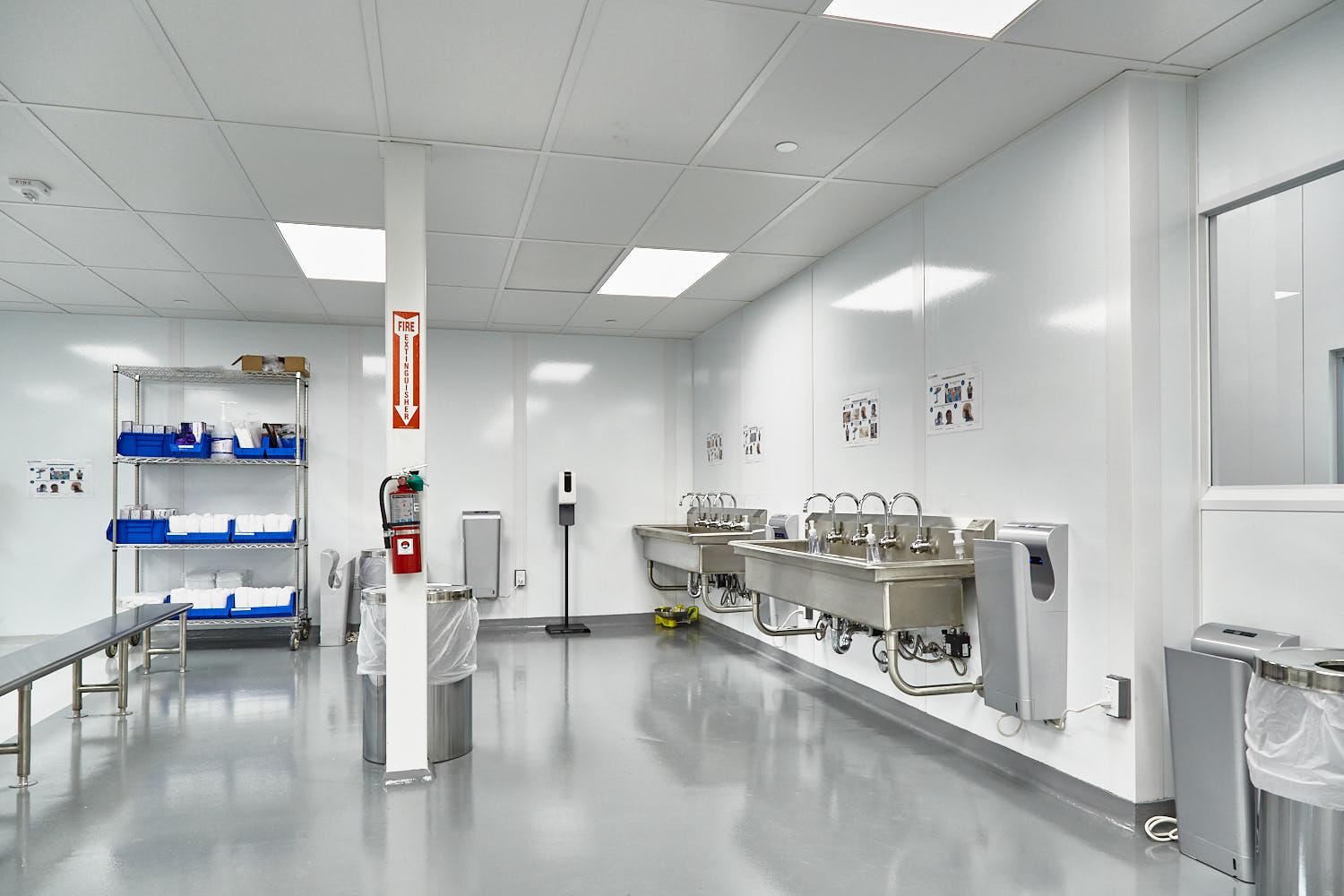
How Gowning Room Design Impacts Cleanroom Contamination Control
Gowning success isn’t just about people, it’s also about the environment.
A well-designed gowning room supports:
- Unidirectional flow (dirty → clean transition)
- Clearly defined gowning zones
- Proper storage for garments
- Minimal cross-contamination risk
Helpful design elements include:
- Benches for controlled transitions
- Mirrors for self-checks
- Visual step-by-step instructions
- Airlocks and pressure control (in higher-class cleanrooms)
Design and procedure must work together to maintain consistent performance.
Proper vs. Improper Gowning: Impact on Cleanroom Performance
Even small differences in gowning behavior can significantly impact cleanroom performance and compliance outcomes.
| Scenario | Impact on Cleanroom |
| Proper gowning procedures are followed consistently | Maintains ISO classification, reduces contamination risk, and supports stable production |
| Improper gowning (incorrect order, exposed skin, poor handling) | Increases particle levels, risks compliance failures, and introduces contamination |
| Well-trained personnel with regular retraining | Improves consistency, reduces human error, and strengthens contamination control |
| Inconsistent training or lack of enforcement | Leads to variability, higher contamination risk, and operational inefficiencies |
Training and Retraining: The Most Overlooked Risk
Even the best gowning protocol fails without consistent execution.
Initial Training Should Include:
- Step-by-step gowning procedures
- Why each step matters
- Hands-on demonstrations
Ongoing Reinforcement Should Include:
- Periodic retraining sessions
- Visual reminders and signage
- Supervisor oversight and audits
Consistency (not just knowledge) is what protects your cleanroom.
5 Common Cleanroom Gowning Mistakes to Avoid
Even experienced teams can fall into habits that increase contamination risk.
Watch for:
- Incorrect gowning order
- Touching garments with bare hands
- Poorly fitted or damaged garments
- Skipping retraining or audits
- Inefficient gowning room layout
How Proper Gowning Supports Long-Term Cleanroom Performance
Cleanroom gowning plays a direct role in:
- Maintaining ISO classification
- Reducing product waste
- Preventing contamination-related failures
- Supporting regulatory inspections
- Extending the life of your cleanroom systems
In short: better gowning = better outcomes across your entire manufacturing process.
The Cost of Poor Cleanroom Gowning Practices
Inconsistent or improper gowning doesn’t just increase contamination; it creates measurable operational and financial risk.
Poor gowning practices can lead to:
- Product waste due to contamination
- Batch failures or rejected materials
- Increased rework and production delays
- Failed inspections or compliance issues
- Reduced cleanroom efficiency over time
Even in well-designed cleanrooms, human error in gowning can undermine system performance and increase long-term costs.
Bottom line: Small gowning mistakes can create major operational and financial consequences.
Cleanroom Gowning Is a System—Not Just a Step
The most effective cleanroom operations don’t treat gowning as a standalone procedure; they treat it as part of a complete contamination control strategy.
That means aligning:
- Facility design
- Gowning room layout
- Employee training
- Standard operating procedures
When these elements work together, gowning becomes predictable, repeatable, and reliable, which supports consistent cleanroom performance over time.
If you’re evaluating your cleanroom setup or looking to improve contamination control, Angstrom Technology can help you design a system that works from day one. Contact us today to get started.
Cleanroom Gowning and Contamination Control FAQs:
What is cleanroom gowning?
Cleanroom gowning is the process of wearing specialized garments and following controlled procedures to reduce contamination from personnel in cleanroom environments.
Why are humans the biggest contamination source in cleanrooms?
Humans are the primary source of contamination in cleanrooms because they constantly shed skin cells and particles. Movement increases particle generation, making proper gowning essential for contamination control.
What is the correct order for cleanroom gowning?
Gowning should follow a top-to-bottom sequence: hood, mask, coverall, gloves, and shoe covers.
How often should cleanroom gowning training be repeated?
Cleanroom gowning and contamination control training should be conducted initially and reinforced regularly through retraining, audits, and visual reminders to ensure consistent compliance.
How does gowning affect ISO cleanroom classification?
Improper gowning can introduce particles that exceed allowable limits, risking non-compliance with ISO standards.