
Explore Our Blog

3 Benefits of Positive Pressure Cleanrooms for Aerospace & Defense Industries
Pressurized cleanrooms are used in a range of industries and applications. Varying levels of pressure determines the way air naturally moves in a space. High and low pressure, or positive and negative pressure, can be used as a tool in cleanroom environments to...
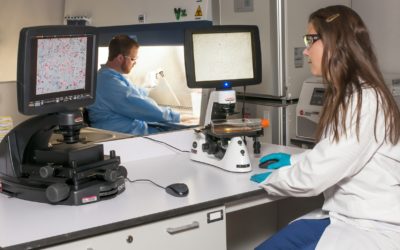
3 Types of Medical Cleanrooms
Medical cleanrooms are vital for the work of finding medical solutions, developing vaccines and treatments through pharmacological products, and manufacturing life-saving medical devices, among other important applications. Three main types of medical cleanrooms are...
How to Upgrade your Cleanroom
As Greek philosopher Heroclitus said, “There is nothing permanent except change.” While the conditions in your cleanroom are designed to stay the same, your work rarely does. If your project needs are evolving, you might find yourself needing to meet new cleanroom...

What’s the Deal With Segmented Cleanrooms?
An important part of cleanroom design is the choosing the best layout to suit your unique application. If your cleanroom has the challenge of needing to meet changing requirements or different levels of cleanliness, air changes, or pressure for different stages of...
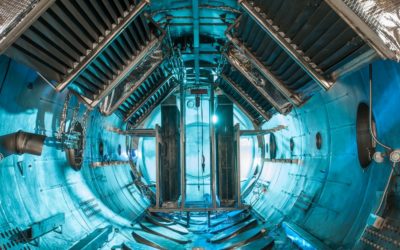
HVAC System Requirements for Aerospace Cleanrooms
Aerospace cleanrooms require a high level of control. They can range from an ISO 14644-1 Class 5-7, which have vastly different requirements. At a minimum ISO Class 7, the cleanroom will require about 60-90 air changes per hour and need to filter out a range of...

3 Medical Industries that Use Negative Air Pressure Cleanrooms
It’s a well-known natural process for air to flow from high to low pressure. Examples of this are found around us every day. Wind and weather are formed from the uneven heating of the earth’s surface which generates pockets of high and low pressure air. If you’ve ever...

Static Control for Medical Device Cleanrooms: Everything You Need to Know
Even with a powerful HVAC system, a multi-stage HEPA filtration process, and thorough cleaning procedures, contaminants can still threaten a controlled cleanroom environment. Static electricity is common everywhere we live, but in a cleanroom it can be unpleasant,...

Where Should I Install My Cleanroom?
Cleanroom installation requires as much careful planning as cleanroom design. When deciding on the best place to install your cleanroom, you’ll need to consider a few factors. First, take a look at your classification. Your cleanroom classification will determine what...
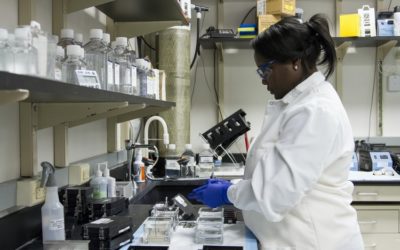
Medical Cleanroom Design Tips: Choosing Cabinetry
Choosing cleanroom cabinets requires some thought, as there aren’t clear guidelines for which are best for every cleanroom application. No official certification system exists for cabinetry the way other cleanroom materials are declared safe for use in cleanrooms....
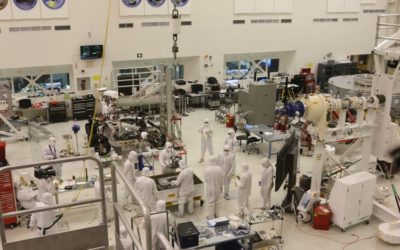
5 Benefits of Hardwall Cleanrooms for the Aerospace Industry
Aerospace cleanrooms often require high levels of control, regulated by high cleanroom classifications. To achieve stringent standards, while allowing flexibility for project changes and environmental adjustments, some of the best cleanrooms for the aerospace industry...
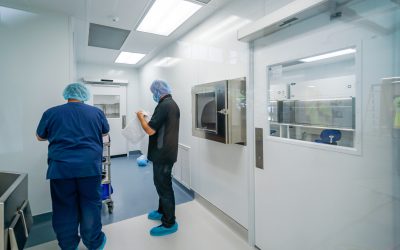
How Often Should I Maintenance My Cleanroom?
Proper cleanroom maintenance is not only important to keep a cleanroom running efficiently and limit dangerous contamination of processes, but it can also save your company money. Improper cleaning or maintenance of your cleanroom could be costly, even dangerous, and...

Designing an Energy Efficient Cleanroom
Designing an energy-efficient cleanroom is all about identifying the areas that have the most potential for waste and cutting energy consumption until the result is a streamlined, high-efficiency, ultra-clean cleanroom. Your first priority in designing your...
Get Instant Access To Our Cleanroom Design Guide
The Most Comprehensive Guide for Cleanrooms and Modular Offices