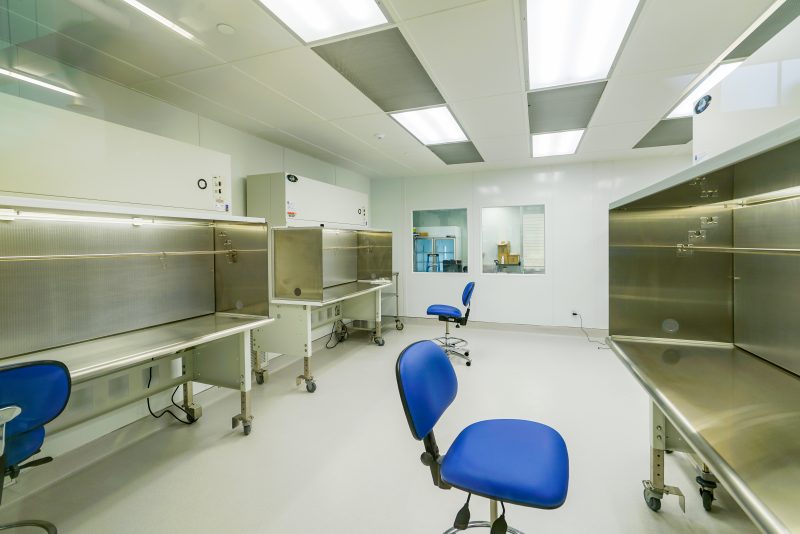
Fire Safety in Aerospace & Defense Cleanrooms

Fire Safety in Aerospace & Defense Cleanrooms

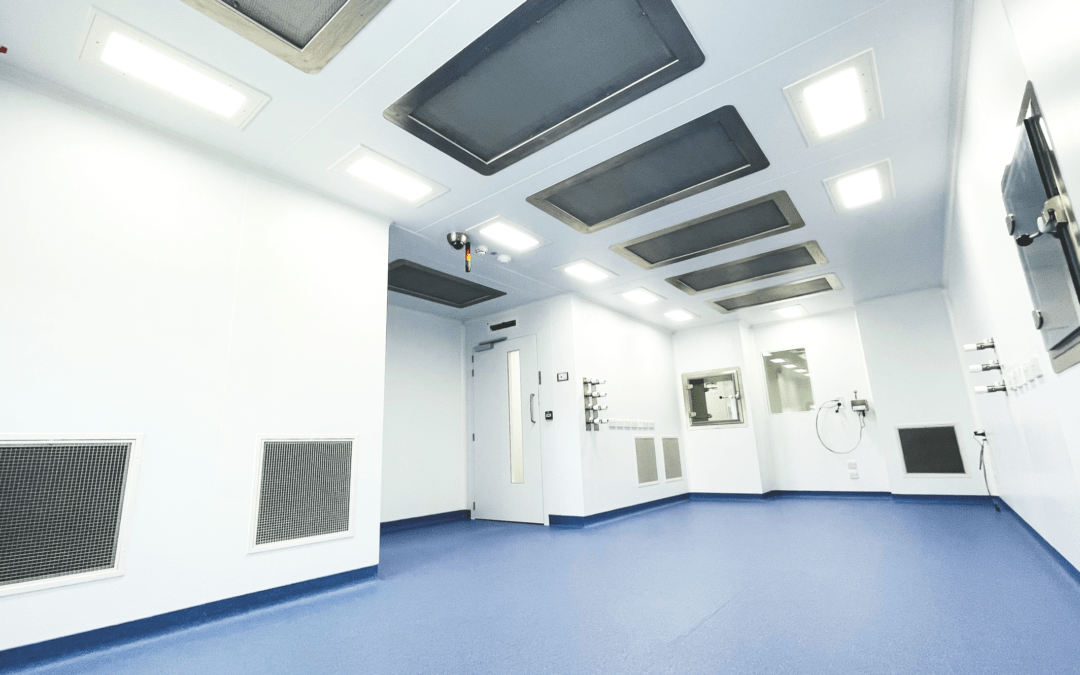
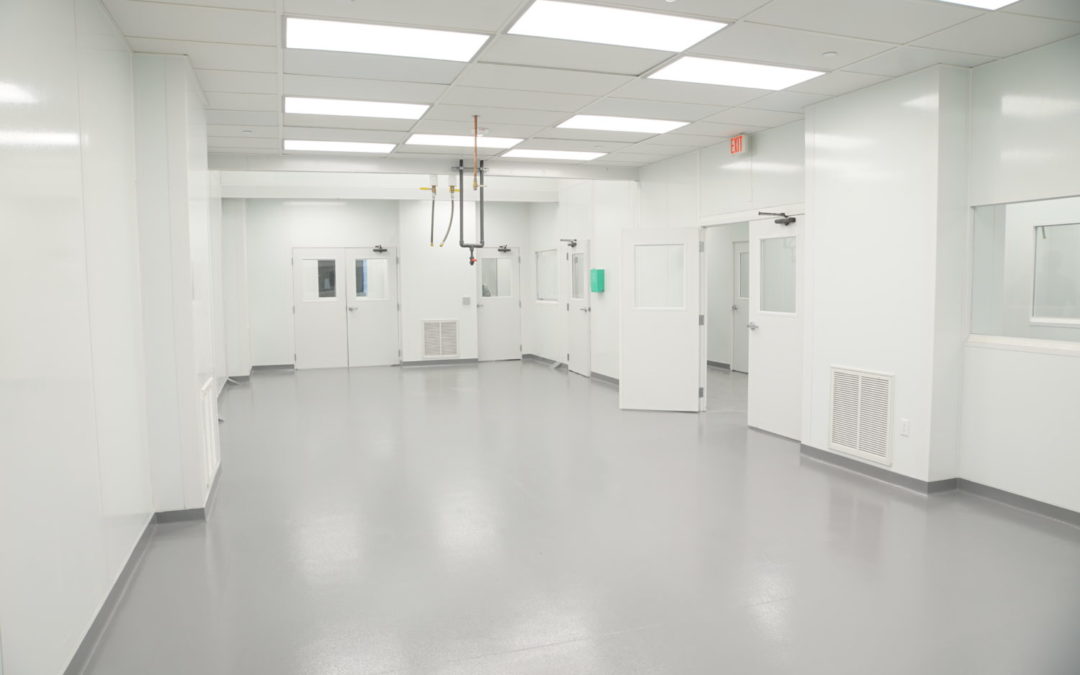
Aerospace and defense cleanrooms already work hard to protect sensitive equipment and materials from the various risks associated with contaminant particles. However, designers also need to be aware of another significant risk these cleanrooms can bring to facilities, materials, and operators: fires. 

Due to the high-velocity, constantly moving air flow within them, cleanrooms present a unique challenge for traditional fire prevention and suppression. But when you’ve spent the time, energy, and money to install one in your facility, it’s critical that you’re doing everything you can to protect your investment and keep operations running. 

Here’s an overview of some of the most common cleanroom fire hazards, as well as some tips on how to prevent them. 

Fire Hazards in an Aerospace & Defense Cleanroom

Cleanrooms need to have high air exchange rates, fast air velocities, and uniform air flows to consistently filter contaminant particles out of the space. However, these operating conditions have a negative consequence when it comes to fire control. They make it much more difficult to detect a fire with standard fire detection and suppression systems — often resulting in fires being detected too late, after damage has already occurred. 

To prevent these scenarios from happening, two things are important: 1) understanding the common fire hazards within your cleanroom, and 2) knowing the right tools and techniques to prevent them. 

First, let’s dive into three of the most common cleanrooms fire hazards, which are listed below: 

1. Short-Circuits

Cleanrooms are designed to host various types of machinery and equipment. For this reason, they’re usually equipped to handle a large electrical load. However, there’s always a chance of equipment overloading or short-circuiting that could cause them to catch fire. 

2. Improper Handling of Heat Sources

From hot air guns to Bunsen burners, there are many heat sources that can be used within an aerospace and defense cleanroom. If any of them are mishandled or stored improperly, they can result in disastrous damage. 

3. Leaking of Highly Flammable, Pyrophoric Materials

If your cleanroom deals with any liquids that can spontaneously combust on contact with air or moisture, it’s important to diligently store and secure them. Otherwise, they have high potential to leak and cause a fire or explosion. The same goes for any explosive concentrations of gases or solvent vapors. 

Fire Safety Tips for Aerospace & Defense Cleanroom Design

Looking at each of those hazards, it’s easy to get nervous about something tragic happening to your own facility or employees. The good news? Most often, cleanroom fires are preventable (or at least easier to suppress and minimize damage) with the proper tools and protocols. We’ve outlined the three most important cleanroom fire safety tips below: 

1. Invest in Specialized Fire Detection Equipment

Standard fire detection systems don’t always provide the best results in cleanrooms. However, there are specialized fire detectors that are specifically designed for controlled cleanroom environments. They actively work to collect random air samples at various suitable points within your cleanroom, so that any smoke can be detected at an earlier stage. 

Specialized fire detectors are often integrated with voice alarms and fire extinguishing systems as well. That way, all systems can be activated as quickly as possible and can respond to any fire hazards that are detected. 

2. Install Multiple Types of Fire Suppression Systems

In many cases, aerospace and defense cleanroom operations involve the handling of materials that, when combusted into flames, cannot be extinguished with water alone. For that reason, you should generally ensure that your cleanroom has multiple types of fire suppression systems. 

Most often, you’ll find that properly protected cleanrooms have a water-based sprinkler system. However, they’ll also usually install various fire extinguishers that are filled with inert gases (argon or nitrogen). That way, no matter the cause of the fire, their facility and employees are well-protected. 

3. Implement a Plan for Orderly Evacuation

When you think of a normal fire drill/evacuation, your immediate response is likely to just get out — wherever you can, however you can, as fast as you can. But with cleanrooms, this process often needs to be a little different, mostly because you don’t want to risk the release of any toxic substances that may be held within them upon exiting. Therefore, it’s important to put an orderly evacuation plan in place, and to make sure your cleanroom operators understand it.

Even better? Many cleanroom facilities invest in voice evacuation systems that alert and inform personnel of the situation, transmit clear instructions, and detail a safe evacuation plan. They’re a great resource to ensure proper protocols are followed, even in the event of a stressful emergency. 

Need to boost your cleanroom’s fire safety measures? At Angstrom Technology, we’re here to help. Our engineers can design cleanrooms that incorporate a variety of design features, including fire suppression and alarm systems. To get started on yours, give us a call or contact us online today. 


Pharmaceutical Cleanroom Maintenance Tips

Pharmaceutical Cleanroom Maintenance Tips

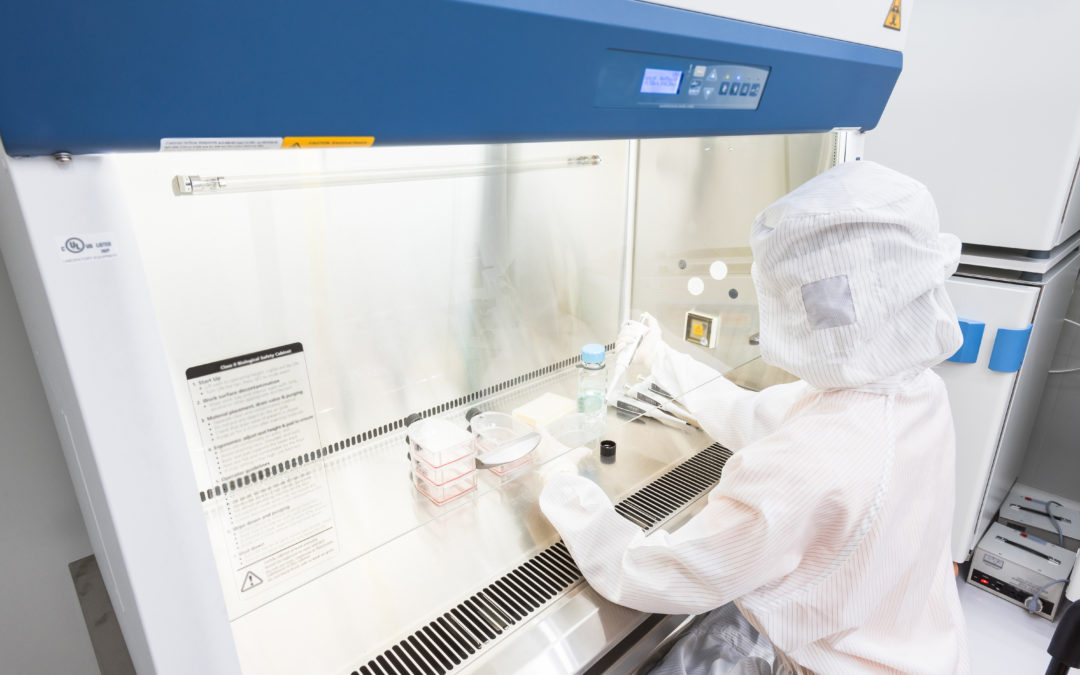
If you work in the pharmaceutical industry, you know that even the slightest bit of contamination could drastically disrupt your production line and affect the safety of consumers. Because of this, it’s not only important to perform operations within a cleanroom, but it’s also important to keep that cleanroom well-maintained. 

You should think of your cleanroom just like any other piece of equipment. It needs a little tuning up here and there to keep it running as it’s intended. Let’s take a closer look into what regular maintenance looks like for pharmaceutical cleanrooms. 

Looking for examples of our work with pharmaceutical cleanrooms at Angstrom Technology? Check out this case study on a pharmaceutical cleanroom we designed and installed for our client, Praxis. 

Pharmaceutical Cleanroom Maintenance Tips

When it comes to pharmaceutical cleanrooms, there’s one main category of contaminants that could disrupt your operations: process- or human-related contaminants, such as dirt, skin, hair, clothing fibers, etc.

In order to combat these contaminants, most facilities have their own unique method and schedule for cleanroom maintenance. But if you’re new to the cleanroom world and you’re wondering where to start, the following sections outline some of the most basic cleanroom maintenance tips to keep in mind. 

Day-to-Day Cleanroom Maintenance

The most tried-and-true method of keeping your cleanroom in good operating condition is to diligently adhere to daily cleaning tasks. You’ll want to do the following at least once per shift: 

  • Wet mop floors with an ISO-recommended mop, cleaning solution, and deionized water
  • Change sticky mats (if applicable)
  • Wipe walls with an ISO-recommended mop and cleaning solution
  • Wipe furniture, tables, and work surfaces with ISO-recommended wipes and cleaning solution
  • Clean pass-through chambers and other additional features with ISO-recommended wipes and cleaning solution (if applicable)
  • Remove trash, soiled garments/PPE, and waste

Something to keep in mind — while accomplishing each of these tasks, it’s best to think of your cleanroom divided into four sections: ceilings, walls, surfaces, and floors. Then, clean each area following that particular order, from the highest point of your room (ceilings) to the lowest point (floors). This helps to reduce the risk of transferring contaminants from one area to another or counterproductively dirtying a workspace you’ve just cleaned. 

Filter Maintenance

Your filtration system is responsible for filtering the air that is constantly circulated in and out of your cleanroom. Since they’re usually operating on a 24/7 basis, these filters need to be serviced and changed with some sort of frequency. There are two main components of your filters that require regular servicing: 

  • Pre-filters are the outermost filters and, in most cases, are located in the return air grilles. They are easily accessed from within the cleanroom, and should be checked on a quarterly basis to see if they need to be replaced. By changing out the pre-filters with some sort of frequency you will extend the life of your HEPA/ULPA filter.
  • HEPA/ULPA filters do the heavy lifting in the filtration process and therefore are more of an investment — in terms of both labor and finances. ULPA filters remove 99.9995% of particles 0.12 microns or larger. HEPA filters remove 99.99% of particles 0.3 microns or larger. These filters typically sit inside the fan filter housing which is installed in the ceiling grid. But with proper pre-filter maintenance and replacements, HEPA/ULPA filters can last up to 8-10 years, depending on the cleanliness of the surrounding facility. 

Additional Equipment Maintenance

From glove boxes to pill packaging conveyor systems, whatever equipment your cleanroom holds should be serviced according to manufacturer recommendations. Any malfunctioning machines could release contaminants or gases that pose a threat to the sensitive materials you’re handling. Always make sure your equipment is working normally before starting daily operations. Equipment typically requires bi-annual or annual servicing, calibration, and certification.

Cleanroom Maintenance Reporting

Our final cleanroom maintenance tip is to keep a thorough, detailed record of all your cleanroom maintenance efforts. We recommend setting up cleanroom maintenance protocols, documenting and outlining the following:

  • The person responsible for each maintenance task
  • A schedule for accomplishing each maintenance task
  • Contamination levels before and after cleaning and/or maintenance
  • Any “good-to-know” items or maintenance tasks that require follow-up


By using these protocols, you’ll help to ensure that your team sticks to all required maintenance, that your facility remains compliant with all ISO classification standards, and that your business remains profitable. 

If your company doesn’t have the capacity and/or resources to stick to regular cleanroom maintenance, don’t worry! There are plenty of resources out there for contracting maintenance and cleanroom cleaning work. Check with your cleanroom manufacturer to see if they have their own maintenance services, or if they can refer you to someone they trust. 

Looking for someone to service your cleanroom and get it back into top shape? Give Angstrom Technology a call! As experienced cleanroom experts, we’re happy to talk through your needs and find the right solutions. 

What Is a Glove Box in a Cleanroom?

What Is a Glove Box in a Cleanroom?

There are a lot of factors to consider when designing a cleanroom for your facility, from determining the size that will hold all of your equipment, to choosing the ISO classification that ensures the proper amount of cleanliness, and more. 

One of the final decisions you’ll have to make in regards to cleanroom design is what additional features and technologies your cleanroom may require — and cleanroom glove boxes are necessary, and most often required, in specific stringent applications. Below, we’ll explore more about what a cleanroom glove box is, what it’s used for, and under which circumstances you may need to incorporate one into your cleanroom’s design. 

What Is a Cleanroom Glove Box?

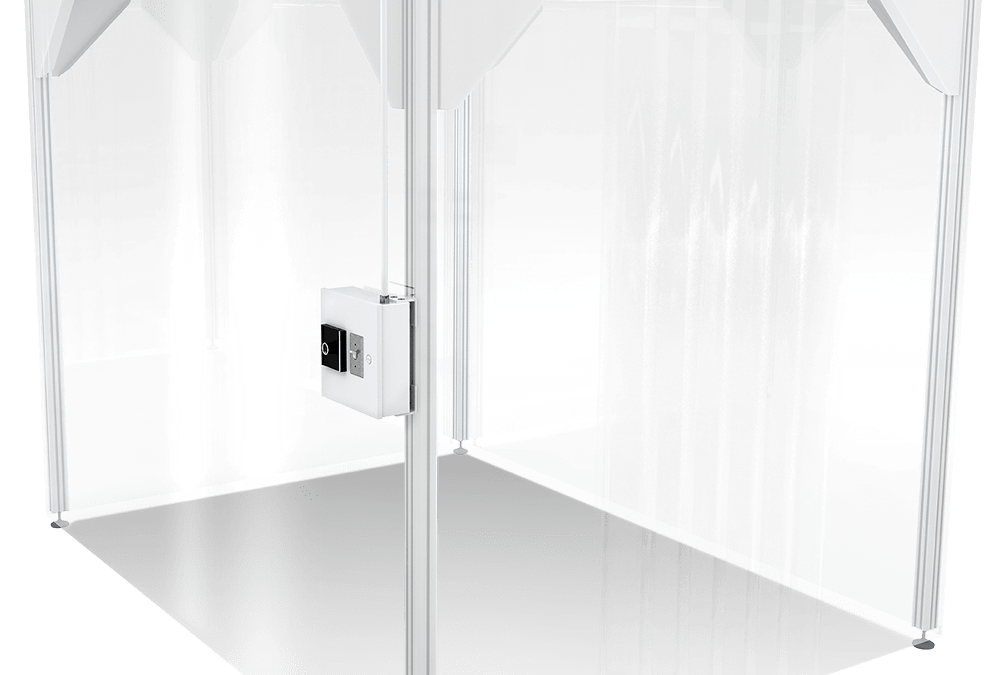
A cleanroom glove box is a sealed containment system that provides a controlled atmosphere for handling the contents within. In most cases, cleanroom glove boxes are manufactured with acrylic, static-dissipative PVC, and/or stainless steel, and they include one or more sets of gloves, allowing operators to work with objects while still upholding strict isolation protocols. 

Two Main Types of Glove Boxes

There are several different types of cleanroom glove boxes, but they all generally fall into two broad categories: “isolation” and “containment.” The difference between these two types is based on what you hope to protect, and which type of pressure is needed to protect it. 

  • Isolation glove boxes use positive pressure to isolate sensitive materials from the elements and contaminants in their surrounding environment.
  • Containment glove boxes use negative pressure to protect cleanroom operators from any hazardous materials or substances within the box. 

Glove Box Capabilities and Features

As far as capabilities and features go, glove boxes operate very similarly to your overall cleanroom. They’re typically referred to as your primary engineering control (PEC) and provide ISO 5 classification within the containment system. It’s then placed within the cleanroom, or the secondary engineering control (SEC) which has a lower ISO Classification. They provide an additional layer of isolation and protection — meeting slightly more stringent cleanliness requirements. 

For example, some of the most basic glove boxes capabilities and features include:

  • Exhaust/recirculation connections and control
  • Redundancy
  • HEPA/ULPA filtration
  • 2-4 glove ports (single or dual operator)
  • Air locking
  • Personnel & product protection
  • Differential pressure
  • Mobile or stationary

What Is a Cleanroom Glove Box Used For?

Glove boxes date all the way back to the 1940s, when they were used by the military to research radioactive materials. After that, they started gaining popularity in the medical field as a way to handle viruses and create various medications and vaccines. Today, cleanroom glove boxes’ controlled environments benefit a number of unique applications in a wide range of industries

Which Applications Need Glove Boxes in Their Cleanroom Design? 

The possibilities are truly endless here. You’ll likely see glove boxes in medical, laboratory, pharmaceutical, biological, chemical, and microelectronic cleanrooms most often, but they can also be incorporated into the cleanroom design for any other application that requires them. 

Get the Cleanroom Design Features You Need at Angstrom Technology

Does your cleanroom require a glove box, or some other additional feature or technology? We can help! With years of proven experience, our team at Angstrom Technology is able to design a cleanroom that meets all of your facility’s specifications. Talk to one of our design engineers to get started today.

Angstrom Technology Acquires Connect 2 Cleanrooms Ltd.

Angstrom Technology Acquires Connect 2 Cleanrooms Ltd.

GRAND RAPIDS, Mich. —  Jan. 19, 2022: Angstrom Technology, a West Michigan cleanroom engineering company and portfolio company of ASGARD Partners & Co., announced its acquisition of UK-based Connect 2 Cleanrooms (“C2C”). This acquisition broadens Angstrom Technology’s global footprint and expands the company’s extensive offerings in the cleanroom industry. C2C represents Angstrom’s second add-on acquisition after the acquisition of Built 2 Spec in September 2021.

Angstrom Technology has acquired 100% ownership in C2C. As part of the transaction, the existing C2C management team led by Joe Govier, Founder and CEO will remain in place to run daily operations in the company’s Lancaster, United Kingdom location.  

“I can’t express the level of excitement and opportunity this acquisition will bring to the US cleanroom industry,” said Matt Isard, CEO of Angstrom Technology. “The addition of the C2C platform into Angstrom’s current business will allow us to integrate these capabilities throughout our current offerings giving our existing and future customers a better, more fluid experience.” 

Joe Govier, Founder and CEO of C2C said, “This transaction and combination of businesses will enable Angstrom and C2C to fulfill a joint vision to create a truly global controlled environment solutions platform, and we are excited for the future of the group and teams within.”

Matt Purvis, Angstrom Technology’s Chief Operating Officer said, “With many of our customers operating in the U.S. and Europe, the C2C acquisition furthers our mission to be the leading global cleanroom provider. In addition, we now offer a full range of cleanroom consumables, ready-to-ship cleanrooms, certification and validation services, along with expanded expertise in cleanroom design, engineering, and build capabilities.” 

“This acquisition will provide a solid foundation for Angstrom Technology to continue to offer our superior turnkey cleanroom solutions, service, and quality to our customers on a global scale. I am very excited to welcome the C2C team to the Angstrom family,” said Adam Rzepka, Angstrom’s SVP Global Sales and Business Development.  


About C2C 

Connect 2 Cleanrooms is an integrated cleanroom solutions provider. Since 2002, the company has become a trusted partner to over 6,000 clients worldwide. Its range of cleanroom solutions delivers functional performance that meets precise requirements. Connect 2 Cleanrooms also provides cleanroom validation and cleanroom training services. Its consumables division, Cleanroomshop, supplies a full portfolio of consumables, equipment, and furniture to the cleanroom industry worldwide. For more information on products and services, please visit www.cleanroomshop.com

About Angstrom Technology

Founded in 1989 and headquartered in Grand Rapids, Michigan, Angstrom offers design, engineering, and build capabilities to the cleanroom industry. As a market leader in cleanroom production across the U.S., Canada, and Mexico, Angstrom Technology serves clients in industries like aerospace, defense, technology, pharmaceutical, automotive, gene therapy, medical packaging, medical device, and more. Angstrom’s passion is to provide its customers with the most effective and efficient designs, superior quality, and outstanding service. For more information, please visit www.angstromtechnology.com/. 

4 Key Considerations for Cleanroom Design

4 Key Considerations for Cleanroom Design

Installing a new cleanroom in your facility can be an exciting undertaking, but it also comes with a lot of decisions. From creating a design to coordinating the installation, you’ll want to ensure no part of the process goes unnoticed.

Not sure where to start? We can help! Here are a few simple, yet critical factors to consider when designing your cleanroom, so you can set yourself up for a smooth design and installation process and get the most out of your investment. 

4 Key Considerations for Effective Cleanroom Design

While there are many factors to consider when designing your cleanroom, these are the four that our experts at Angstrom Technology have deemed most important to a successful, rewarding project: 

1. Determine Your Project Budget Early

There’s nothing that derails a project quite like paying more than you wanted to. As with any other construction project, determining your budget early on can help you avoid financial stress or hardship later on. It’s important that you work with your cleanroom manufacturer to understand how much your cleanroom may cost based on your unique specifications. In most cases, the following five factors will have the most effect on cleanroom cost:

  • Size – The bigger, the more budget you’ll want to allocate. 
  • TypeHardWall, SoftWall, and RigidWall cleanrooms all have unique features and cost varying amounts. In most cases, you’ll spend more on a HardWall or RigidWall cleanroom than you will a SoftWall cleanroom.
  • Classification – The more stringent your ISO classification, the more fan filter units (FFUs) and equipment it will require, and the more it will cost you. 
  • Design complexity and additional features – If your cleanroom requires extra features like process piping, furniture, static control, or gowning rooms, it will need to accommodate specific design complexities that come at an additional cost. 

2. Consider a Modular Cleanroom for Greater Design Flexibility

Modular cleanrooms are cleanrooms that are constructed with prefabricated components. They perform just like traditionally built cleanrooms, but with labeled components that are precisely pre-cut and pre-finished, they’re faster and easier to install — and require less routine maintenance.

Another big advantage of modular cleanrooms is their unparalleled versatility. They’re built “backward compatible,” which means they can be minimized, expanded, or reconfigured to meet the changing needs of your facility’s operations. This feature makes modular cleanrooms extremely rewarding long-term investments. 

3. Choose the Right ISO Classification for Your Application

Your cleanroom’s ISO classification refers to the maximum acceptable number of particles (by size) in the air, per cubic meter. That said, in order to figure out which classification your application requires, you’ll want to have a good understanding of the particle size you need to filter out. 

Building a cleanroom for a pharmaceutical production line? You’ll likely need to meet more stringent classification standards and filter out even the smallest of particles. Manufacturing basic automotive parts? Your automotive cleanroom is probably better suited for a lower classification standard, but still one that’ll filter out large particles. 

Keep in mind, however, that the more stringent your classification is, the more your cleanroom costs will be. So while building a cleanroom with a higher classification than you actually need won’t do any harm production-wise, it usually doesn’t make financial sense. Find the sweet spot, and stick to the lowest possible cleanroom classification that still meets your application’s requirements. 

4. Understand Your Process Flow

The final consideration you should make while designing a cleanroom that works for you is your process flow. It’s important to understand how your personnel and products will go about entering the room, exiting the room, and everything in between. Establishing this operational protocol will help you decide where the best placements may be for certain work surfaces, equipment, and filtration units, in addition to understanding the space needed for access around these items. 

Perhaps the best way to do this is to create a conceptual drawing of your cleanroom design, insert your intended furniture and equipment, then draw arrows along the intended paths your personnel and products will take. Seeing these things drawn out visually can give you a better idea of how they’ll actually play out once the design is brought to life — and nailing down this operational flow can help accomplish so much in terms of meeting the requirements for optimal cleanroom performance. 

Trust Angstrom Technology to Help with Cleanroom Design

Planning the design for your new cleanroom or redesigning an existing one? Let the experts at Angstrom Technology help. Our design engineers can help you make the tough choices and ensure you receive a cleanroom that’s perfect for your application. Contact us today to learn more. 

Get Instant Access to Our Cleanroom Design Guide

The Most Comprehensive Guide for Cleanrooms and Modular Offices
Design-Guide-Thumbnail