
Explore Our Blog

3 Medical Industries that Use Negative Air Pressure Cleanrooms
It’s a well-known natural process for air to flow from high to low pressure. Examples of this are found around us every day. Wind and weather are formed from the uneven heating of the earth’s surface which generates pockets of high and low pressure air. If you’ve ever...

Static Control for Medical Device Cleanrooms: Everything You Need to Know
Even with a powerful HVAC system, a multi-stage HEPA filtration process, and thorough cleaning procedures, contaminants can still threaten a controlled cleanroom environment. Static electricity is common everywhere we live, but in a cleanroom it can be unpleasant,...

Where Should I Install My Cleanroom?
Cleanroom installation requires as much careful planning as cleanroom design. When deciding on the best place to install your cleanroom, you’ll need to consider a few factors. First, take a look at your classification. Your cleanroom classification will determine what...
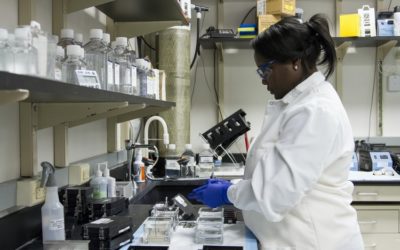
Medical Cleanroom Design Tips: Choosing Cabinetry
Choosing cleanroom cabinets requires some thought, as there aren’t clear guidelines for which are best for every cleanroom application. No official certification system exists for cabinetry the way other cleanroom materials are declared safe for use in cleanrooms....

5 Benefits of Hardwall Cleanrooms for the Aerospace Industry
Aerospace cleanrooms often require high levels of control, regulated by high cleanroom classifications. To achieve stringent standards, while allowing flexibility for project changes and environmental adjustments, some of the best cleanrooms for the aerospace industry...
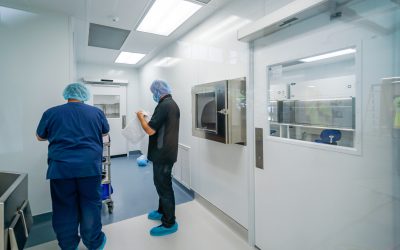
How Often Should I Maintenance My Cleanroom?
Proper cleanroom maintenance is not only important to keep a cleanroom running efficiently and limit dangerous contamination of processes, but it can also save your company money. Improper cleaning or maintenance of your cleanroom could be costly, even dangerous, and...

Designing an Energy Efficient Cleanroom
Designing an energy-efficient cleanroom is all about identifying the areas that have the most potential for waste and cutting energy consumption until the result is a streamlined, high-efficiency, ultra-clean cleanroom. Your first priority in designing your...
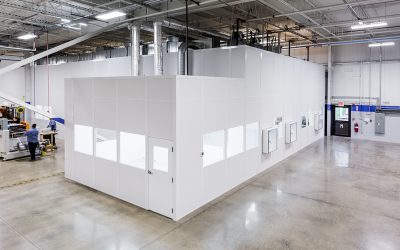
Redesigning Your Modular Cleanroom? Here are 5 Things to Keep in Mind
Modular cleanrooms — particularly SoftWall cleanrooms — are easy to expand, downsize, or reconfigure. When redesigning a modular cleanroom, some things you should keep in mind are: whether you plan to downsize or upsize your space, how to best reconfigure your systems...

Cleanroom Terminology: Garments
Every part of your cleanroom’s design should work for you, from its protective flooring and wall panels to the fume hoods and HEPA filters. Each element serves a purpose to change the air, reduce risk, or limit contamination. What about garments? What are they, and...
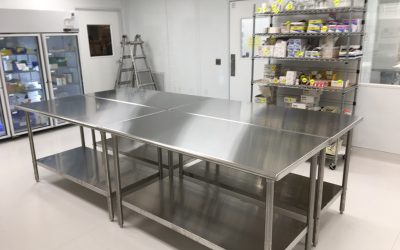
How Much Cleanroom Furniture Do I Need?
From the layout of your cleanroom to the procedures you follow to keep it clean, every part of your cleanroom’s design is crucial to its function. This also includes the materials and furniture inside its walls that help you create or test your products. Furniture...
Anti-Static Cleanrooms: What’s the Deal?
There’s a cleanroom type for every application. Many industries have specific requirements in order to perform their work successfully and without any contaminating — or dangerous — interruptions. Anti-static cleanrooms are an important type of cleanroom for...
Cleanroom Design Tips: Choosing Cleanroom Flooring
When designing the perfect cleanroom, every element has to fit together. Working from head to toe, each component has a part to play in keeping your cleanroom running efficiently. When it comes to flooring, you’ll need to pick the type that best fits the work you’re...
Get Instant Access To Our Cleanroom Design Guide
The Most Comprehensive Guide for Cleanrooms and Modular Offices